
10 Essential Tips for Solar Panel Installation in Florida
Share:
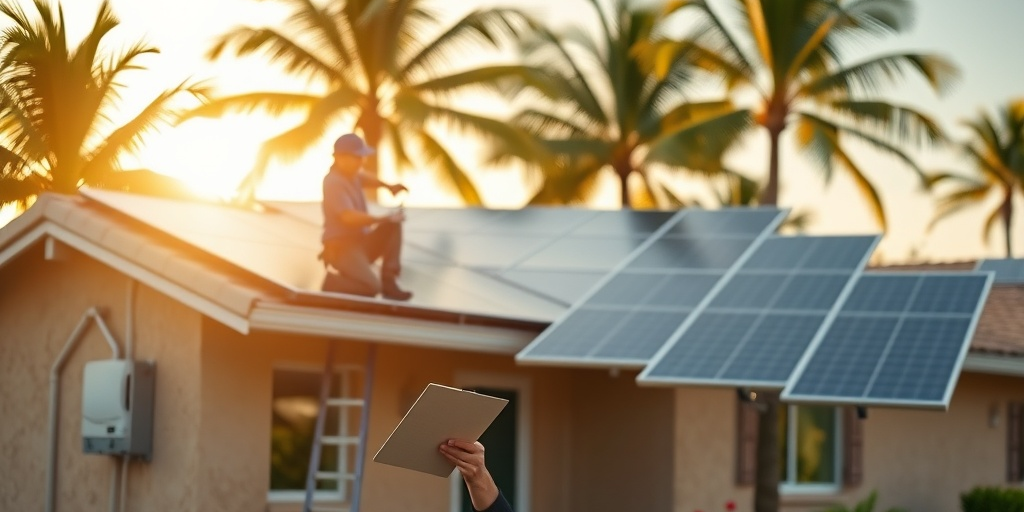
As energy prices continue to soar and be subjected to the unpredictability of the global market, Floridians are left with an urgent question: Is there a better way to power my home or business? With more residents exploring alternative solutions, solar energy has emerged as one of the premier answers. In fact, over 500,000 homes in Florida have already adopted solar power, making it the second-largest solar market in the nation (SEIA.org). If you’re a Florida homeowner or commercial property owner contemplating solar panel installation in 2025, you’re not alone. The growing popularity of solar energy, combined with enticing government incentives, positions this as a prime time to invest in your energy future. Discover **10 Essential Tips for Solar Panel Installation in Florida**—ensure your setup is efficient and maximize utility bill savings with these easy steps!
The topic of solar panel installation matters urgently in 2025 due to several critical factors. First, the federal investment tax credit (ITC) offers a significant financial incentive for going solar, which will be reduced after this year. Second, energy companies are becoming increasingly challenged by grid instability, making solar solutions even more attractive for energy independence. Through this comprehensive guide, we will explore essential insights into maximizing your solar investment effectively.
In this article, you can expect to dive into:
- A compelling case study illustrating the journey of a Florida homeowner.
- A step-by-step checklist for solar panel installation.
- A myth-busting section to clarify common misconceptions.
- Local focus, spotlighting Florida-specific stats and policies.
- A technical analysis of solar energy systems and their effectiveness.
Solar Case Study: The Transformation of the Martinez Family
Meet the Martinez family, who live in the sunny region of Orlando, Florida. Concerned about the rising costs of electricity, which had steadily increased by 20% in the past five years (Energy.gov), they were desperate for a long-term solution. After extensive research, they decided to invest in solar energy as a means of reducing their reliance on the electrical grid.
Initially skeptical due to misconceptions surrounding installation costs and efficiency, the family consulted with a trusted solar installation service. They discovered the availability of various financing options and the potential for immediate savings on their electric bills. With an average utility cost of $187 per month, they realized that solar could drastically alter their family’s financial outlook.
Step 1: Analyze Your Energy Consumption—The first task for the Martinez family was to track their energy usage. This enabled them to select the right size solar system to meet their needs. By reviewing their electric bills, they found they often used more energy during the summer months due to increased air conditioning use.
Step 2: Assess Your Solar Potential—The next step was assessing their property for solar suitability. They were thrilled to learn that their south-facing roof received ample sunlight, positioning them well for solar energy production. According to recent data, homes in Florida can yield an average of 1,575 kWh of solar electricity per installed kW annually (SolarReviews.com).
Step 3: Explore Funding Options—The Martinez family learned about financing options including solar loans, leases, and power purchase agreements (PPAs). They opted for a solar loan, providing them ownership of the system and the related tax benefits. Utilizing the ITC, they claimed a deduction of a portion of their installation cost, providing an additional boost to their budget.
Step 4: Installation Day—The big day arrived, and the installation process took about a week. They were relieved to see how quickly the solar team completed the work and were excited to see the panels in action!
Step 5: Enjoy the Benefits—After switching to solar, their electric bill reduced by over 60%. The savings not only alleviated some financial burden but also provided peace of mind against fluctuating utility rates. Most importantly, the Martinez family felt proud to be contributing to a greener planet.
The Martinez family’s story is a testament to the myriad benefits solar power can provide. Their journey demonstrates the importance of thorough research and understanding the solar process for all Florida homeowners eager to make the switch. With the right plan in place, you, too, can experience similar savings and transformations.
As exciting as the prospect of going solar may seem, the installation process remains paramount. This brings us to our next section—your comprehensive checklist for solar panel installation.
Your Essential Solar Installation Checklist
Planning your solar installation can feel overwhelming, but this checklist will guide you through each vital step in the process. By following these actionable items, you’ll ensure a seamless transition to solar energy.
- Step 1: Evaluate Your Energy Needs—Before you make any decisions, consider your average monthly energy consumption. This information helps you understand the size of the solar system you will need to install.
- Step 2: Inspect Your Roof—Ensure your roof is in good condition and can accommodate solar panels. Look for shading issues and consider how the panels will integrate with the existing structure. For best results, solar panels should be installed where they can receive the most sunlight.
- Step 3: Research Local Solar Incentives—Florida offers various incentives and rebates for going solar, researching which options apply to you can enhance your savings.
- Step 4: Consult with Solar Experts—Team up with reputable solar installers who can provide expert advice and a professional approach tailored to your specific needs.
- Step 5: Understand Financing Options—Look into the different avenues for financing your solar system, including loans, leases, and PPAs to determine the best option that suits your budget.
- Step 6: Get Multiple Quotes—Don’t settle for the first quote; obtain at least three quotes from different installers to compare costs and services.
- Step 7: Prepare for Installation—Before installation, finalize your plans, confirm timelines with your installer, and ensure all permits and approvals are in place.
- Step 8: Installation Day—On the day of installation, be available to answer questions and clarify your homeowner preferences.
- Step 9: Monitor Your System—Once installed, continuously check your solar system’s performance to ensure it operates efficiently.
- Step 10: Stay Informed About Maintenance—Make sure you understand what regular maintenance or check-ups your solar system may need to keep your investment running smoothly.
By following this checklist, you’re embarking on a path that will reduce your energy bills and increase your property value. With thorough planning in place, your solar installation will be one step closer to realization.
Now, let’s tackle some prevalent myths surrounding solar energy and installation that often keep homeowners from moving forward.
Myth-Busting: Common Misconceptions About Solar Energy
When considering solar power, misinformation can create hesitation. Here’s a breakdown of common myths and the truths behind them.
- Myth #1: Solar Panels Only Work in Sunny Conditions—While sunlight is crucial for solar energy production, solar panels can still generate electricity on cloudy days. Solar technologies can harness light from overcast skies efficiently.
- Myth #2: Solar Is Too Expensive—Although the initial costs can seem high, numerous financing options, tax credits, and long-term savings negate this concern. Federal incentives, like the ITC, can lower immediate costs significantly.
- Myth #3: Solar Panels Require Too Much Maintenance—In reality, solar panels are relatively low-maintenance. Cleaning them periodically and ensuring they are free of debris is generally all that is needed to keep your system operating effectively.
- Myth #4: I Have to Buy My Solar System Upfront—With financing options available, homeowners are not required to purchase their solar systems outright. You can opt for leases or financing plans that suit your budget.
- Myth #5: Solar Isn’t Worth It Unless I Plan to Stay Long-Term—Even if you have plans to move, solar energy can increase property values and attract buyers interested in energy efficiency and savings.
Dismantling these myths is vital for homeowners in Florida considering solar energy options. Knowledge is power, and the more informed you are, the better your decisions will be regarding your solar journey.
Next, we’ll explore local insights and policies that impact solar energy usage in the Sunshine State.
A Local Focus: Solar Energy in Florida
Florida, affectionately known as the Sunshine State, is uniquely positioned to benefit from solar energy due to its favorable climate and abundant sunlight. Recent reports indicate that Florida ranks second in the nation for installed solar capacity, with more than 18,000 solar jobs available (NREL.gov).
Government incentives, such as the Solar Energy System Incentives Program (SESI), are designed to help Floridians embrace solar power; grants aim to make solar installations more affordable. The current residential tax exemption laws ensure that property values do not increase due to solar installations, further promoting solar adoption among Florida homeowners.
With the phase-out of the ITC scheduled for 2025, this is a critical year for solar adoption. Homeowners are encouraged to act swiftly to take advantage of the 30% tax credit, which could significantly offset the cost of installation.
Furthermore, Florida has a net metering policy that allows homeowners to sell excess energy back to the grid. This policy can result in considerably reduced energy bills, providing a fantastic ROI for those embracing solar power.
In light of these region-specific incentives, embracing solar energy has never been more appealing for Florida residents. Next, let’s delve into the technical aspects of solar energy systems to further prepare you for your upcoming installation.
Understanding Solar Technology: A Technical Deep-Dive
Before installing solar panels, understanding the relevant components of solar systems can empower you to make educated decisions regarding your installation. Solar energy systems primarily consist of several key elements: solar panels, inverters, batteries, and structure.
- Solar Panels: These are the heart of your solar system. Photovoltaic panels convert sunlight into electricity; their efficiency ratings determine how effectively they’ll produce energy for your home.
- Inverters: Often considered the brain of the solar system, inverters convert the DC electricity generated by the panels into AC electricity, which powers your home appliances. Microinverters can be installed on individual panels to optimize performance even under less-than-ideal conditions.
- Batteries: These are crucial for maximizing your energy independence. They store excess energy generated during the day, allowing homeowners to utilize it when the sun is down or during power outages.
- Structure: Consider the placement of your panels; professional installers evaluate roof angles and shading to maximize efficiency. Ground-mounted systems are also an option for those with adequate yard space.
Understanding these components helps clarify your solar energy journey as you engage with your installation team to find the best products suited for your needs and budget. By grasping the technology behind your system, you’ll be better prepared to maximize your solar savings fully.
In our final section, we will outline actionable steps to take as you embark on your solar installation journey in 2025.
Next Steps for Florida Solar Buyers in 2025
Now that you’ve explored the essentials of solar panel installation, here’s a concrete actionable plan to set you on the right path.
- Step 1: Audit Your Electric Bill—Gather the past six months of electric bills to analyze your energy usage. This will give you a foundation before discussing your needs with solar providers.
- Step 2: Research Local Solar Providers—Compile a list of reputable solar installers in your area, checking for online reviews and certifications to ensure they have a reliable track record.
- Step 3: Request Quotes—Contact your selected installation companies for detailed quotes that outline the costs, panels used, warranties, and financing options to help you make an informed decision.
- Step 4: Review Financing Options—Take the time to understand your financing options, comparing loans, leases, and any available state or federal subsidies that apply to your situation.
- Step 5: Schedule Installation—Once you have selected a provider, schedule the installation according to your and their availability. Confirm you have all necessary permits and approvals before proceeding.
These steps will help you navigate your solar journey with confidence and clarity. With timely action, you can capitalize on the current incentives available, ushering you toward a brighter, more sustainable future.
As we wrap up this comprehensive guide, let’s recap the essential points to remember as you embark on your solar journey.
Conclusion
The time to enter the world of solar energy is now for Florida homeowners and commercial property owners alike. This journey can be particularly rewarding if approached with knowledge and insight. From the Martinez family’s inspiring decision to dive into solar energy to the myriad benefits that come with timely installation, it’s clear that solar power can transform lives and reduce energy burdens significantly.
By following the essential tips outlined in our guide, you are well-equipped to assess your options and act decisively. Don’t let misconceptions hold you back—debunked myths can set you free to embrace a new energy future with confidence. Acknowledging the local and technological specifics paves the way for your successful transition to solar energy.
Choosing solar energy means investing in more than just panels; it’s investing in your family’s financial freedom, contributing to environmental health, and boosting your property’s value. Urgently consider these steps to best position yourself for the 2025 solar landscape.
Ready to start your solar journey in 2025? Connect with a certified expert at floridaelectricandsolar.com today.
Related Articles
More insights about Solar Panel

Florida Homeowners: Why Solar Panel Maintenance Is Essential

7 Essential Steps for Solar Panel Installation Success

Expert Insights: Key Factors Influencing Solar Panel Lifespan
Ready to Go Solar?
Have questions about solar energy? Our experts are here to help you make the switch to clean, renewable energy.