
10 Essential Tips for Solar Panel Maintenance in Florida
Share:
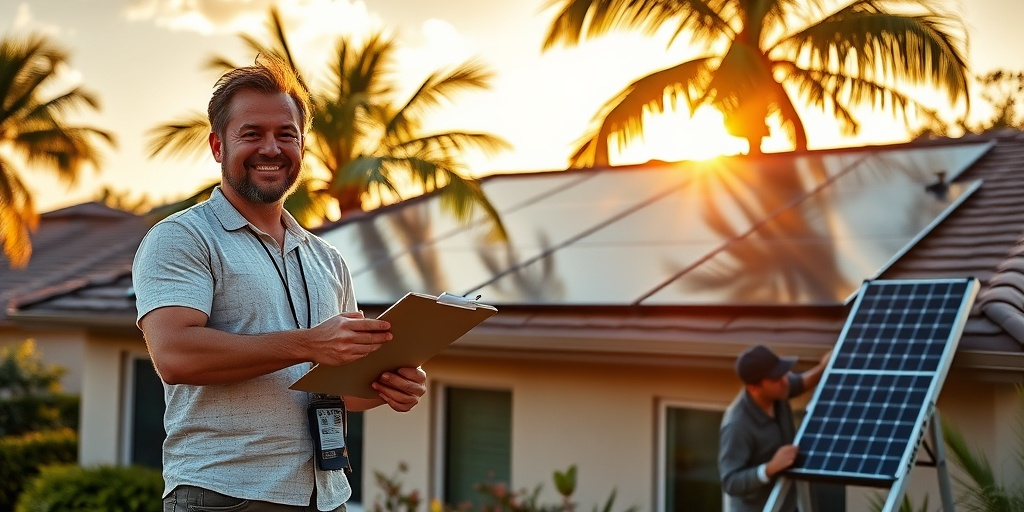
As the sun blazes down on the Sunshine State, Florida ranks among the top states for solar energy production in the United States, contributing over 3,500 megawatts (MW) of installed solar capacity as of 2023 (SEIA.org). This number is expected to soar, making rooftop solar an undeniable option for homeowners and businesses alike. Are you ready to harness the power of the sun? If your answer is yes, then you’ll definitely want to know about the “10 Essential Tips for Solar Panel Maintenance in Florida.” Proper maintenance not only maximizes system performance but also extends the longevity of your solar panels, ensuring you get the best return on your investment in 2025 and beyond. With energy costs projected to rise in the coming years—Florida homeowners can expect a 20% increase by 2025 (Energy.gov)—the urgency to maintain your solar system effectively cannot be overstated. In this post, we will break down effective maintenance routines, debunk common myths, explore local insights, and provide a powerful action plan. Let’s dive deeper into the essentials of solar panel maintenance and how you can keep your system in peak shape.
Understanding the Basics of Florida Solar Panel Maintenance
Florida’s sunny climate presents a unique set of challenges and opportunities for solar panel maintenance. Routine upkeep can significantly enhance your solar system’s efficiency while ensuring its durability. Here’s a practical checklist on how to keep your system functioning optimally:
Your Maintenance Checklist: Ensure Peak Performance
- Inspect Regularly: Routine inspections can catch minor issues before they become major problems. Aim to check your system at least twice a year, looking for signs of wear, damage, or dirt buildup.
- Clean the Panels: Dust, pollen, and bird droppings can reduce efficiency. Clean your panels by hosing them down, but avoid harsh chemicals or abrasive materials. It’s best to schedule cleanings in the early morning or late afternoon when the panels are cooler.
- Check the Inverter: The inverter plays a critical role in converting solar energy into usable electricity. Look for green lights indicating optimal operation; if the light is red or yellow, consult your installer.
- Monitor Performance: Utilize monitoring tools offered by your solar company to track your system’s performance. Pay attention to any drop in production, which could signal a need for immediate attention.
- Hire Professionals for Annual Maintenance: Hiring a qualified technician for an annual check-up provides a comprehensive view of your system and can help identify issues that a homeowner may overlook. Trust in a local expert’s insight, like those at floridaelectricandsolar.com.
Addressing Common Misconceptions
As you jump into maintaining your solar system, it’s essential to address some misconceptions that may hinder your understanding.
- Myth #1: Solar Panels Don’t Need Maintenance – Many believe that solar panels are set-and-forget investments. In reality, periodic maintenance can vastly improve performance and longevity.
- Myth #2: Rain Does the Job – While rain will wash some debris off, it often doesn’t eliminate all grime or residues that can accumulate, especially in urban environments or areas with heavy pollen.
- Myth #3: I Can Use Any Cleaner – Solvent-based or abrasive cleaners can damage panels. Only use water or a specific, panel-approved cleansing product.
- Myth #4: My Warranty Covers All Issues – While warranties protect against manufacturing defects, they often don’t cover damages due to neglect or improper upkeep.
- Myth #5: Solar Systems Are Reliable Everywhere – Florida’s unique climate features severe thunderstorm seasons, which can wear down systems quicker than expected; thus, preventive maintenance is crucial.
Florida-Specific Challenges and Considerations
Understanding the local climate is crucial for effectively maintaining your solar system. Florida’s humid subtropical climate exacerbates algae growth, bird droppings, and debris accumulation, leading to efficiency loss. Reports indicate that panels can lose up to 25% of their efficiency due to improper maintenance (SolarReviews.com). Regular checks and cleaning routines specific to the environmental conditions in Florida will ensure optimal performance.
Technical Deep Dive: The Machinery Behind Your Savings
To genuinely appreciate your solar investment, it is crucial to understand the components that make up your system.
- Solar Panels: These are designed to last 25-30 years, but dirt and grime can reduce efficiency remarkably. Regular cleaning can combat this.
- Inverters: Your inverter converts the DC electricity generated by the panels into AC electricity. There are different types of inverters, including string, micro, and power optimizers, each with varying resilience and monitoring capabilities.
- Batteries: If you have a battery storage system, regular maintenance and testing should be part of your routine to ensure appropriate functioning and longevity.
Incorporating a robust maintenance strategy will keep you ahead of issues that could undermine energy production and savings.
The Importance of Seasonal Maintenance
Florida experiences a variety of weather conditions throughout the year, including hurricanes, afternoon thunderstorms, and intense UV rays. Seasonal maintenance is vital to prepare your solar system for these conditions and maximize its life span.
- Post-Hurricane Inspections: After heavy storms, check for any physical damage that could pose risks. Wind uplifts and excessive rainfall can affect solar panel integrity.
- Summer Cleaning: With increased pollen and dust, schedule frequent cleanings during the spring and summer months (Florida is notorious for yellow dust clouds). A clean panel is an efficient panel.
- Fall Preparations: As hurricane season ends, secure loose or susceptible components to minimize damage risk in upcoming winter storms.
- Winter Check-Ups: Conduct a thorough inspection to ensure no ice or frost causes issues. While not common in Florida, the occasional cool snap should prompt checks.
- Annual Audit: Yearly professional assessments protect your investment and ensure compliance with warranty conditions.
By taking seasonal shifts into account, you’ll have a better chance of enjoying uninterrupted energy production throughout the year.
Navigating the Technical Side of Your Solar Investment
Solar policy regulations, energy billing structures, and incentives vary across states. In Florida, the net metering policy allows homeowners to earn credits for excess energy generated, but it’s vital to stay informed about potential changes that could affect savings (DSIREUSA.org). Evaluate your energy bills regularly to understand how solar investment affects your costs.
- Review Energy Bills Regularly: Understanding the billing system can help in identifying discrepancies and optimizing energy use.
- Stay Informed on Local Regulations: Florida regulations can affect installation and maintenance. Implementing advice from local providers ensures compliance.
- Utilize Solar Incentives: Leverage local and federal tax credits designed for solar investments, which are especially critical in reducing costs.
Next Steps for Florida Solar Buyers in 2025
Transitioning to solar power can seem complex but with a clear action plan, the process can be streamlined. Here’s an actionable checklist to guide you through the steps involved in maintaining and optimizing your solar investment.
- Audit Your Electric Bill: Review and compare your current costs vs. projected savings from solar to understand the financial impact.
- Hire a Qualified Inspector: Schedule a professional assessment for an in-depth review of your solar system.
- Implement A Maintenance Schedule: Establish regular cleaning and inspection routines to avoid potential inefficiencies.
- Communicate with Your Provider: Connect with a reliable energy expert to explore available service packages.
- Educate Yourself on Progressions: Stay up-to-date on solar technology advancements as well as changes in energy policy.
Following these steps can ensure that you reap the greatest benefits from your solar investment while minimizing potential risks. With proper maintenance and continuous education, you can embrace energy independence and financial savings.
Conclusion
The journey to maintaining your solar panels in Florida is as vital as the initial investment itself. By adopting these “10 Essential Tips for Solar Panel Maintenance in Florida,” you can maximize performance, durability, and ultimately savings. The urgency to tackle rising energy costs in 2025 can’t be ignored, as well-maintained solar systems provide long-term solutions that contribute to a sustainable future for both your household and the larger community.
Your solar journey should be as bright as the Florida sun! By learning the essentials and adhering to a thoughtful maintenance plan, your solar investment will remain productive for years to come. Ready to start your solar journey in 2025? Connect with a certified expert at floridaelectricandsolar.com today.
Related Articles
More insights about Solar Panel

Florida Homeowners: Why Solar Panel Maintenance Is Essential

7 Essential Steps for Solar Panel Installation Success

Expert Insights: Key Factors Influencing Solar Panel Lifespan
Ready to Go Solar?
Have questions about solar energy? Our experts are here to help you make the switch to clean, renewable energy.