
5 Common Myths About Solar Panel Installation Debunked
Share:
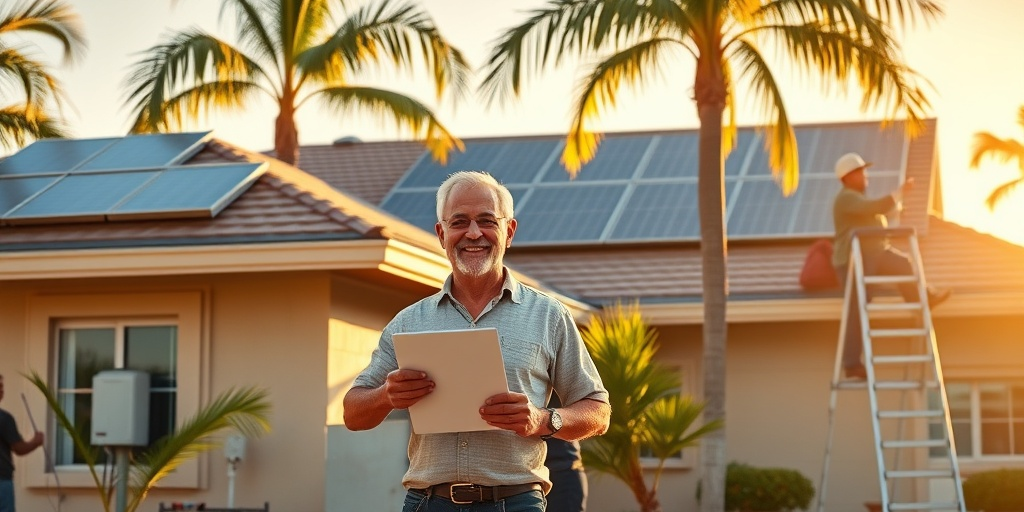
In the vibrant sunshine of Florida, solar energy is rapidly becoming a household name. Did you know that the state ranks among the top in the nation for solar energy capacity? Florida homeowners and commercial property owners are harnessing this abundant resource to slash their electric bills and contribute to a more sustainable future. Yet, misconceptions about solar panel installation abound, often deterring potential users from making the switch. In this article titled “5 Common Myths About Solar Panel Installation Debunked”, we will tackle these misunderstandings head-on.
For instance, many individuals believe that solar panels are too expensive and out of reach, despite the fact that installation costs have dropped over 70% in the last decade (SEIA.org). Furthermore, studies reveal that solar installations can increase a home’s resale value by up to 4.1% (Zillow.com). As rising energy costs and new solar incentives favor solar adoption, it’s crucial to dispel these myths and encourage Florida residents to explore their clean energy options as we step into 2025.
This topic is urgent, especially in 2025, when homeowners are facing not only increasing electricity prices but also potential grid instability due to the operational challenges of aging infrastructure across the country. In this article, we will delve into five key sections:
- Case Study: A deep dive into one homeowner’s transformative experience with solar.
- Checklist: Actionable steps for homeowners considering solar.
- Myth-Buster: Clarity on prevalent misconceptions surrounding solar panel installation.
- Local Focus: Insights specifically tailored for Florida’s solar landscape.
- Technical Deep-Dive: An analysis of solar systems and their components.
Armed with this knowledge, you’ll be better prepared to navigate the world of solar energy, shedding light on its numerous benefits and overcoming the myths that may be holding you back. So, let’s embark on this illuminating journey together!
Case Study: A Florida Homeowner’s Solar Success
To understand the true impact of solar panel installation, consider the story of Maria and John, residents of Orlando, Florida. Living in a neighborhood characterized by tall palm trees and endless sunshine, they often felt the sting of high electricity bills, often exceeding $300 each month during the peak summer season. At first, they dismissed the idea of solar power as simply too expensive and complicated to navigate.
However, motivated by an upcoming family reunion and the desire to save for vacations, they decided to investigate solar energy further. They contacted Florida Electric & Solar to learn more about solar panel installation. Initially skeptical about the upfront costs and the return on investment, they quickly learned that through state and federal incentives, they could finance their installation with zero down and save significantly in the long run.
After conducting an energy audit, they were informed they’d need a 10 kW solar system to cover their monthly energy needs. They learned that, in Florida, net metering would allow them to receive credits for any excess power generated—essentially turning their solar panels into a revenue-generating asset. Over the following months, they witnessed their energy bills plummet as their system began to pay for itself. Within four years, Maria and John projected savings of $30,000—enough to fund their family vacations and future home improvements.
This case study reveals not only the financial benefits of solar energy but also how a well-informed decision can lead to substantial savings. Florida homeowners can greatly benefit from the state’s numerous solar incentives and the decreased cost of solar technology. More than 18 million Floridians stand to gain from an environmentally friendly energy source that enhances their home value and reduces overall energy costs (Energy.gov).
Checklist: Steps to Solar Investment
Are you ready to adopt solar energy but unsure where to start? Following a well-defined checklist can streamline your solar journey and maximize your savings. Here’s an easy-to-follow guide for Florida homeowners:
- Step 1: Audit Your Electric Bill
Understanding your energy consumption is the first step. Analyze your last year’s bills to identify peak usage periods and figure out how much energy you typically use. This will help you determine the size of the solar system you need. - Step 2: Research Local Solar Companies
Take the time to explore local solar contractors in Florida. Look for those with strong reputations, positive customer reviews, and verified licenses. Companies that prioritize customer education and support are worth their weight in gold. - Step 3: Schedule a Consultation
Meet with a solar advisor to discuss your options and receive a customized estimate. A professional will evaluate your home’s orientation, roof condition, and shading from nearby trees to create the most effective solar solution for your needs. - Step 4: Explore Financing Options
Investigate all available financing options, including cash purchases, solar loans, and leases. In Florida, many incentives help lower upfront costs while making solar ownership attainable right now. - Step 5: Get Installed!
Once you’ve made your decisions on the solar equipment, chosen your financing plan, and received necessary permits, it’s time for installation. Expect the installation to take one to three days, depending on the system size.
Following this solar installation checklist can ease anxiety while navigating your solar journey. Florida homeowners can realize significant savings through awareness and careful planning!
Myth-Buster: Debunking Solar Panel Installation Misconceptions
As you consider the benefits of solar energy, it’s essential to address common myths that may hold you back. Below, we debunk five prevalent misconceptions surrounding solar panel installation:
-
Myth #1: Solar panels are too expensive.
The perception that solar panels are unaffordable persists. However, prices have dropped by approximately 70% over the past decade (EnergySage.com). With federal tax credits and state incentives, the initial investments in solar technology are significantly reduced. -
Myth #2: Solar energy is unreliable.
Many fear that solar energy can’t provide sufficient power. In reality, Florida enjoys around 237 sunny days a year, making it one of the best states for solar energy production (NREL.gov). With appropriate battery storage solutions, consistency can be maintained even on the cloudiest days. -
Myth #3: Solar panels require too much maintenance.
Some believe that the maintenance for solar systems is extensive. In truth, solar panels typically require minimal maintenance, only needing to be inspected and cleaned periodically. -
Myth #4: Installing solar panels is a complicated process.
While the process may seem complex, reputable solar companies like Florida Electric & Solar guide homeowners through each step, from consultation to installation to post-installation support. -
Myth #5: Solar energy is only for wealthy homeowners.
This myth is particularly harmful, as solar energy is increasingly accessible to all homeowners. Numerous financing options, rebates, and incentives exist to make solar feasible for various income levels.
Local Focus: Florida’s Solar Landscape
As Florida homeowners consider the benefits of solar energy, it’s vital to understand how the state’s unique solar policies and landscape affect solar panel installation. The Sunshine State leads the way in solar energy potential, and its policies support homeowners interested in going solar. Below are key factors that make Florida an ideal location for solar energy:
- Net Metering: Florida’s net metering policy enables homeowners to receive credits for excess energy produced by their solar panels. This significantly reduces electric bills and promotes sustainable energy consumption.
- Tax Incentives: Homeowners can benefit from a federal solar tax credit of 26% through 2022, which will decrease to 22% in 2023. Florida offers additional property tax exemptions, making solar homes more financially appealing and viable.
- Rising Electric Rates: The price of electricity in Florida has been on an upward trend, compelling homeowners to seek alternative solutions. With the average state electricity cost of around 13.25 cents per kWh, transitioning to solar panels can lead to substantial long-term savings (EIA.gov).
Technical Deep-Dive: Understanding Solar Components
To gain confidence in purchasing solar systems, let’s delve into the essential components of solar panel installations: panels, inverters, and batteries. Each plays a vital role in making your home energy-efficient and cost-effective.
- Solar Panels: These are the core of any solar system, converting sunlight into electricity. Panels are typically made from silicon and come in varying types—including monocrystalline and polycrystalline. The kind you choose affects efficiency levels and overall performance.
- Inverters: After solar panels generate AC electricity, inverters are responsible for converting it for use in your home. Higher-quality inverters offer better energy production management and easier monitoring, ensuring you’re getting the most from your system.
- Battery Storage: As the demand for reliable energy grows, many homeowners are investing in battery storage systems to ensure backup power during outages. Familiar systems include Tesla Powerwall, which enhances energy usage during high-demand periods and provides peace of mind.
Next Steps for Florida Solar Buyers in 2025
Ready to embrace solar energy? Here are the next actionable steps to transition seamlessly into a solar lifestyle:
- Evaluate Your Energy Needs:
Conduct an energy audit to clarify usage patterns. Understanding your monthly consumption helps determine the correct system size required to meet your needs comprehensively. - Explore Solar Companies:
Research reputable local solar companies. Look for their experience, customer testimonials, and support resources to ensure a smooth installation process. - Get Multiple Quotes:
Obtain estimates from at least three different solar providers. This allows you to compare prices, warranties, and equipment options to find the best deal. - Review Financing Options:
Assess your financing options, including any incentives available in Florida. Make sure you fully understand the terms and conditions of your chosen solar solution. - Schedule Your Installation:
After choosing a provider and financing option, schedule your solar installation. Be prepared to ask questions to ensure optimal setup that suits your lifestyle and home.
By following these steps, Florida homeowners can effectively transition to a solar lifestyle that optimally captures the power of the sun while reducing monthly energy costs.
Embarking on the journey towards solar energy is more than just an eco-friendly decision; it’s a choice to secure a sustainable and financially savvy future. As we’ve explored, debunking solar myths can empower you to make informed decisions and maximize your benefits. The transformation can be as rewarding financially as it is environmentally. Solar energy is not merely an investment; it’s a responsibility to our planet and future generations.
In conclusion, remember that solar energy offers countless benefits beyond financial savings. From enhancing energy independence to creating a cleaner environment, the potential is untold. As energy prices continue rising and incentives grow, now is the perfect time to consider solar technology for your home.
Ready to start your solar journey in 2025? Connect with a certified expert at floridaelectricandsolar.com today.
Related Articles
More insights about Solar Panel

Florida Homeowners: Why Solar Panel Maintenance Is Essential

7 Essential Steps for Solar Panel Installation Success

Expert Insights: Key Factors Influencing Solar Panel Lifespan
Ready to Go Solar?
Have questions about solar energy? Our experts are here to help you make the switch to clean, renewable energy.