
5 Essential Considerations for Solar Panel Installation in Florida
Share:
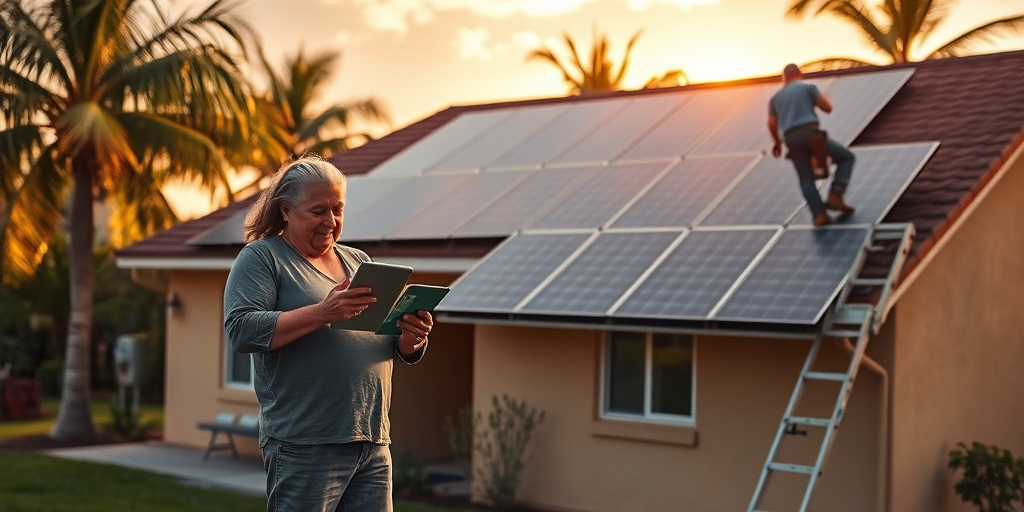
With solar energy becoming a major player in the fight against rising utility costs, Florida homeowners are more informed than ever about their options. You may have heard that installing solar panels can save you thousands on your electric bills, but the truth is both simple and complex. Did you know that Florida ranks third in the nation for solar capacity, housing over 14,000 solar jobs? According to the Solar Energy Industries Association (SEIA), solar is expected to make up 20% of the state’s electricity by 2025. The urgency to consider solar is palpable as energy prices continue to climb, making it crucial to thoroughly research your options well before diving in. That’s why we crafted this comprehensive guide: “5 Essential Considerations for Solar Panel Installation in Florida.” This checklist will ensure a smooth and successful process for prospective solar adopters, especially with the anticipated tax incentives and policies that could significantly benefit your household or business in 2025.
As we delve into this revolutionary energy solution, we’ll explore five key sections: the deep dive into homeowner case studies, critical checklist items for installation, myth-busting misconceptions surrounding solar panels, local regulations and incentives specifically for Florida, and a technical deep-dive into the technology and financing options available. These will not only illuminate your path toward going solar but also empower you to make informed decisions as the energy landscape evolves. You won’t want to miss what’s coming next!
Deep Dive into Real Homeowner Case Studies
Imagine the Rodriguez family—proud homeowners in Orlando, struggling to pay gradually increasing electricity bills that were, quite frankly, becoming burdensome. They had heard the buzz about solar energy and how it could help maximize their savings and reduce their environmental footprint. Yet, like many, they were overwhelmed by the myriad choices and decisions that come with going solar. Ultimately, their journey may have been rocky, but with the right approach, they ended up saving 60% on their electric bill.
The Rodriguez family decided on a local solar installation company, focusing on doing thorough research before signing any contracts. They made a checklist that included the following:
- Understanding Their Energy Needs: They carefully evaluated their average energy consumption to determine the appropriate system size. The average Florida homeowner utilizes about 1,100 kWh per month, and understanding this helped them choose a tailored solar solution.
- Choosing the Right Installer: They checked reviews and customer testimonials about local installers, emphasizing quality and service over mere cost.
- Financing Options: They looked into tax credits, rebates, and loans that made the investment affordable. Florida homeowners can claim a federal solar tax credit of 26% in 2025 (SEIA.org).
- Seamless Communication: They maintained open communication with their installer to clarify expectations and timelines, avoiding future frustrations.
- Long-Term Maintenance: They inquired about warranties and maintenance plans to ensure the longevity of their investment (SolarReviews.com).
After taking action, they felt empowered by the savings and security that came with their solar panels. Their upfront investment rapidly transformed their finances, with the electricity generated mitigating their reliance on traditional power sources. Furthermore, the Rodriquez family is now actively involved in their community, advocating for solar energy and urging their peers to tap into the vast benefits of this renewable energy resource.
Alongside individual stories like the Rodriguez family, it’s crucial to tackle some common misconceptions that often deter Florida homeowners from considering solar panel installation.
Checklist for Solar Panel Installation in Florida
Installing solar panels can seem daunting, but a straightforward checklist can ease the process significantly. Here’s a step-by-step guide that outlines the essentials for ensuring a successful solar installation:
- Step 1: Audit Your Energy Usage
- Step 2: Evaluate Your Roof
- Step 3: Research Incentives
- Step 4: Gather Multiple Quotes
- Step 5: Finalize the Installation
Before diving into the solar pool, you must understand your energy consumption. Gather your electric bills for the past year and analyze usage patterns. You’ll be able to cooperate effectively with your solar installer by knowing how much energy you use on average per month.
Not all roofs are created equal in relation to solar panels. Consider factors like roof orientation, shaded areas, and material. Roofs that face south and are free of obstructions—like trees or tall buildings—tend to be optimal for solar absorption.
In 2025, the federal solar tax credit is set at 26%, which can significantly offset the upfront costs of installation. Florida also offers several additional incentives not to be overlooked, making your investment much more attractive.
Don’t settle on the first quote you receive. Speak with several local solar installation companies and ensure each presents a detailed breakdown of what is included. This will give you a clear picture of the market and allow you to make an informed choice.
Once you’ve chosen an installer, it’s time to finalize the contracts and installation date. Ensure to double-check the outlined timeline and expected maintenance services to minimize surprises down the road.
By following these five steps, your solar journey can begin on solid ground, backed by knowledge and preparation. The resultant clarity will not only impact your wallet positively but also contribute toward a larger cultural shift in energy sustainability.
Myths You Shouldn’t Believe About Solar Panels
As the solar industry grows, so do misconceptions that can deter homeowners from making the initial leap into solar power. Here are five prevalent myths about solar panel installation that need debunking:
- Myth #1: Solar Panels Are Too Expensive
Although the upfront cost can be daunting, state and federal incentives make solar panels much more reasonable than most believe—reducing initial outlay significantly. - Myth #2: Solar Panels Only Work in Sunny Conditions
While it’s true that solar panels perform best in direct sunlight, they can still generate energy even on cloudy days—about 20-30% of their typical output. Florida’s climate is excellent for solar energy production (Energy.gov). - Myth #3: Installing Solar Panels Requires Extensive Home Renovations
Most roofs can accommodate solar panels with minimal structural changes. A professional solar installer will evaluate your roof and recommend the necessary adjustments, if any. - Myth #4: Solar Panels Only Increase A Home’s Value by a Small Percentage
Numerous studies have demonstrated that homes with solar installations often sell for more than their non-solar counterparts, adding impressive value and attractiveness to potential buyers (SolarReviews.com). - Myth #5: I’ll Never See Any Return on My Investment
When you consider the long lifespan of solar panels (25 years and beyond) and the significant savings on utility costs over that time, the returns are more than worthwhile. Customers typically see a full payback within 5-7 years, depending on various factors.
With these myths dispelled, homeowners can face the decision to go solar with more confidence. Additionally, the Florida solar market is flooded with promising incentives that bolster the viability of this route. But how will local laws and polices affect you?
The Local Focus: Understanding Florida’s Solar Landscape
Florida is often touted as ‘The Sunshine State,’ and it is gradually living up to its name in terms of renewable energy. The state has positioned itself as a solar powerhouse in recent years, largely due to favorable policies and regulations. Here’s what homeowners need to keep in mind when considering solar:
- Net Metering: Florida homeowners have access to net metering programs, which allow you to accumulate credits for excess energy your solar panels produce. These credits offset your utility costs when your panels aren’t generating power (like at night).
- Property Tax Exemptions: If you install a solar energy system on your home, you may be eligible for a property tax exemption, which means your home’s value won’t increase during property tax assessments as a result of the solar installation.
- Interconnection Standards: Familiarize yourself with the guidelines your utility has in place for connecting solar panels to the grid. Each utility company in Florida has slightly different requirements for permitting and interconnection.
In fact, a recent report alerts us that the Florida Public Service Commission is looking to enhance its interconnection protocols, which can expedite the permitting process for solar installations (NREL.gov). With the state moving toward aggressive solar goals, staying informed about local regulations is essential for any prospective solar buyer.
Technical Deep-Dive into Solar Systems and Their Financing
The final piece of the puzzle for all homeowners is understanding the technology behind solar power and the financing options available. While the allure of solar energy is significant, it is the intricacies of the equipment and financial structure that will shape your experience.
The fundamental components of solar energy systems include:
- Solar Panels: Made up of photovoltaic (PV) cells that convert sunlight into electricity. The efficiency of panels has seen great improvement, with many options ranging from 15% to 22% efficiency.
- Inverters: They convert the DC electricity generated by solar panels into AC electricity, which is what your home runs on. String inverters are the most common, but microinverters and power optimizers are emerging as viable solutions for complex structures.
- Batteries: Home batteries can store extra energy produced during the day for use at night. These systems are becoming increasingly popular as they allow homeowners to rely less on the grid during evening hours.
To finance these systems, several options exist:
- Cash Purchase: Paying upfront is straightforward and can offer the best long-term savings but requires significant capital.
- Solar Loans: Many financial institutions now offer loans specifically for solar projects, with attractive rates and terms that allow homeowners to install solar without breaking the bank.
- Leases and Power Purchase Agreements (PPAs): If you’d prefer not to own the system outright, leasing options can reduce your initial costs while retaining the benefits of solar energy.
Homeowners should carefully review their financial options and speak with qualified professionals before making a decision. A comprehensive analysis of your budget will help you pinpoint the best option for your unique situation and install your solar system seamlessly.
Next Steps for Florida Solar Buyers in 2025
Now that you’re armed with knowledge, the next steps for going solar should not feel overwhelming. Here’s your practical action plan:
- Step 1: Complete an Energy Audit
Combine your past energy usage data with current month-to-month variations to ascertain an accurate baseline for requirements. - Step 2: Contact Multiple Solar Installers
Compile a list of accredited installers in your area; ensure they’re licensed and insured. Gather at least three quotes to compare. - Step 3: Assess Financial Options
Weigh the various financing options according to your situation. Factor in incentives to determine what makes the most sense long-term. - Step 4: Schedule a Site Assessment
Consult with your chosen installer for a thorough evaluation of your roof and property layout to optimize future panel placement. - Step 5: Review & Sign the Contract
Analyze the terms thoroughly; customers must ensure warranties, maintenance, and timeline details are precisely stated before signing.
By following this step-by-step guide, Florida homeowners can proceed confidently into their solar adventure, turning their aspirations into reality.
Ultimately, the journey to solar energy should be aimed at enhancing both your lifestyle and your finances. A sustainable future isn’t just a dream; it’s an achievable reality for you and your family. No longer is the realm of solar power a mystery. Are you ready to embrace the clean, renewable energy of tomorrow?
Ready to start your solar journey in 2025? Connect with a certified expert at floridaelectricandsolar.com today.
Related Articles
More insights about Solar Panel

Florida Homeowners: Why Solar Panel Maintenance Is Essential

7 Essential Steps for Solar Panel Installation Success

Expert Insights: Key Factors Influencing Solar Panel Lifespan
Ready to Go Solar?
Have questions about solar energy? Our experts are here to help you make the switch to clean, renewable energy.