
5 Essential Tips for Solar Panel Installation in Florida
Share:
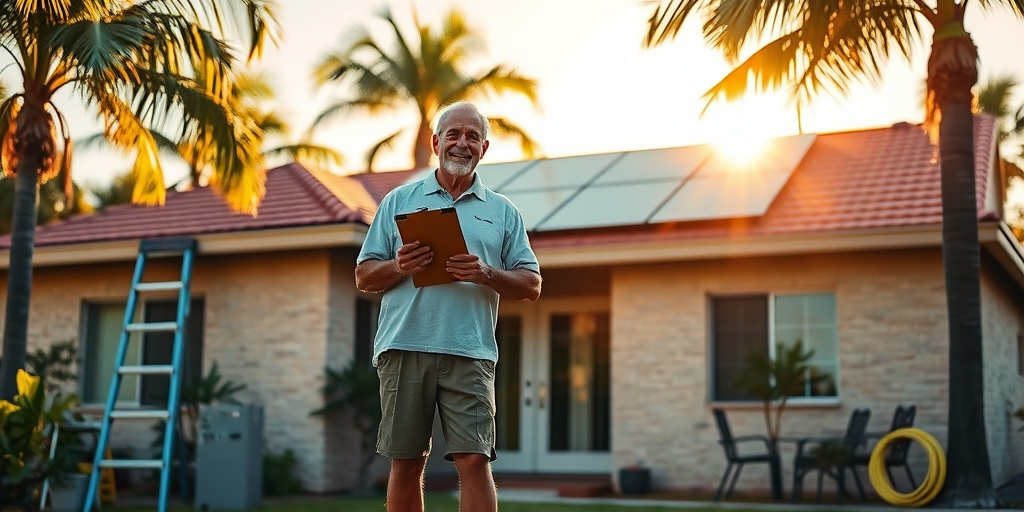
What if I told you that installing solar panels could not only dramatically reduce your electricity bills but also increase the value of your home? Welcome to the world of renewable energy, where the future of energy consumption is brighter than ever! In 2025, homeowners are increasingly leaning towards solar solutions, making it critical to understand the best practices to maximize your solar panel installation. In this comprehensive guide titled 5 Essential Tips for Solar Panel Installation in Florida, you will discover how to ensure a smooth and successful setup, backed by statistics that reveal solar energy’s growing popularity. For instance, in Florida, solar has become one of the fastest-growing energy sectors, with solar installations jumping from 7,200 in 2015 to over 44,000 by 2020 (SEIA.org). By following these essential tips, you’ll not only make your solar panel project a reality but also contribute positively towards a sustainable future as we embrace green technologies in 2025.
As climate awareness escalates, the urgency of switching to renewable energy becomes more apparent. The state of Florida itself has sufficient sun exposure every year, with an average of 237 sunny days, making it an ideal location for solar installations (Energy.gov). Whether you’re a first-time buyer or considering upgrades to your existing systems, being adequately prepared can streamline the entire process.
This guide will walk you through five vital tips that encompass crucial aspects of solar panel installation. First, we’ll delve into the essential preparations needed before installation. Next, we’ll discuss the importance of selecting the right equipment. Then, you’ll learn what permits you need to effectively navigate the legal landscape of solar installation in Florida. Fourth, we’ll explore practical installation tips that can prevent common issues. Finally, we’ll cover the critical aspects of maintenance to ensure your solar system runs optimally. If you’re ready to jump on the photovoltaic bandwagon, let’s get started!
Essential Preparations for Solar Panel Installation
Before leaping into solar panel installation, it’s vital to make necessary preparations to maximize the benefits of your investment. Here are the essential steps you should follow:
- Step 1: Assess Your Energy Needs – Calculate your household’s energy consumption. By reviewing your electricity bills for the past year, you can understand how much energy you typically consume. This informs the size of the solar system you would need.
- Step 2: Understand Your Home’s Solar Potential – Evaluate if your roof is suitable for solar panels. Factors like roof orientation, shading from nearby trees or buildings, and the roof’s age will impact your solar efficiency. An array that receives full sun exposure ideally for 6-8 hours a day is optimal.
- Step 3: Research Local Incentives – Florida offers various incentives that can reduce the cost of your solar installation. These may include state rebates, tax credits, and financing options. Knowing what is available can ultimately lower your upfront costs.
- Step 4: Choose a Reputable Installer – Partnering with a professional solar installer ensures quality work and expertise in navigating local laws and regulations. Check reviews, certifications, and experience to find the right partner.
- Step 5: Schedule a Site Assessment – After selecting an installer, schedule a site assessment. This is when they will measure your roof and electrical system capacity, ensuring everything is suitable for your future solar installation.
By following these preparatory steps, you set a solid foundation that will lead to a successful solar panel installation. On average, homeowners who invest in solar energy save about $17,000 on electricity over the system’s lifespan (SolarReviews.com). This investment not only helps you financially but also enhances your contribution to a sustainable environment.
The Importance of Selecting Quality Equipment
Choosing the right solar equipment is crucial for maximizing the performance and longevity of your solar system.
When investing in solar energy, focusing on cutting-edge technologies can commendably impact your electricity savings. Here are some factors to consider when selecting your solar panels and inverter:
- Panel Efficiency: Different solar panels offer varying efficiency ratings, measured by how much sunlight they convert into electricity. High-efficiency panels may cost more but can yield more energy, thereby increasing your overall savings.
- Warranty: A substantial warranty on solar panels—typically 25 years—demonstrates quality assurance. Make sure to choose products with extensive warranties which cover replacement or repair against manufacturing defects.
- Inverter Quality: The inverter is the heart of a solar system, converting DC electricity generated by solar panels into AC electricity. Opt for high-quality inverters that can withstand Florida’s climate and humidity levels (Energy.gov).
- Brand Reputation: Researching trusted brands can make a significant difference. Leading solar manufacturers often invest heavily in R&D, yielding products that perform better and last longer.
- Cost Consideration: While it’s essential to pick top-quality equipment, also factor in your budget. You may find packages that offer a good balance between cost and quality. A good rule of thumb is to obtain multiple quotes before purchasing.
By investing in high-quality solar equipment, you maximize your returns on investment and significantly bolster energy savings. The global solar energy market is set to grow by 20% per annum between 2021 and 2026, suggesting that this is not merely a fleeting trend (SEIA.org). It’s a shift toward sustainability that will yield long-term benefits to you as a homeowner.
5 Expert Solar Installation Tips for 2025
When you’re finally ready to install your solar panels, ensure you follow the best installation practices for optimal performance. Here are five expert tips that can guide your installation process:
Tip #1: Timing Your Installation
Consider scheduling your installation during off-peak seasons such as fall or early spring when contractors may be less busy, translating to better prices and faster turnaround times. Be mindful that installing just before summer could lead to quicker energy generation as you’ll benefit from longer daylight hours.
Tip #2: Proper Orientation Matters
Solar panels need to be oriented correctly for maximum sunlight exposure throughout the day. An angle near optimal tilt can enhance efficiency by capturing more sunlight. Generally, for Florida, a south-facing installation achieves the best results.
Tip #3: Optimize Placement
In addition to orientation, spacing between panels and ensuring they are free from obstructions—like branches or chimneys—promotes unhindered sunlight capture, contributing to peak performance. Plan for sun exposure to prevent shading over time.
Tip #4: Installing Monitoring Systems
Incorporate solar monitoring systems that allow you to track energy production and consumption in real time. This way, any issues that arise can be addressed faster, ensuring your system operates efficiently. Homeowners with monitoring systems often see improved energy capture (SolarReviews.com).
Tip #5: Regular Maintenance
Solar systems require minimal maintenance, but cleaning panels regularly and inspecting for debris, broken parts, or shading can lead to improved performance. Establish a schedule to maintain your investment actively.
By implementing these expert tips, you will not only ensure effective installation but also create a solar energy system that effectively serves your household for years to come.
A Hypothetical Solar Customer Journey
Imagine a family—John and Sarah—with two kids, living in a suburban neighborhood in Florida. They’ve noticed increasing utility bills and want a sustainable solution. Here’s how their solar installation journey unfolds:
- Assessment Phase: They begin by assessing their energy needs, collecting utility bills from the last year, concluding they need a system capable of generating about 10 kWh daily.
- Research Phase: Knowing the environmental and financial benefits, they research solar incentives in Florida, discovering there are both state and federal tax credits available.
- Selection Phase: They interview three different local installers, comparing warranties, quality of products, and costs. They choose a highly rated company with good reviews.
- Installation Phase: On the scheduled day, the installation team arrives, ensuring roof stability, optimal panel placement, and system configuration.
- Post-Installation Monitoring: After installation, John and Sarah set up their monitoring system, allowing them to track performance and energy savings. They are thrilled to find that their bills have drastically decreased.
In Florida, homeowners typically save about $17,000 in energy costs over the system’s lifespan, making the investment a smart choice (SolarReviews.com). This hypothetical journey shows how an informed decision can lead to lasting financial and environmental benefits.
Next Steps for Florida Solar Buyers in 2025
Making the decision to go solar is one thing; following through with the next steps is equally crucial. Here’s a detailed action checklist for prospective solar buyers:
- Step 1: Evaluate Your Energy Needs
Understanding how much electricity you consume will help you determine the size and capacity of the solar system needed. Review your past utility bills to paint a clear picture of your consumption patterns.
- Step 2: Explore Financing Options
Research various financing opportunities available in Florida. Look into state loans, rebates, and tax credits that can alleviate upfront costs significantly.
- Step 3: Consult with Professionals
Engage with certified solar installers who can provide insights tailored to your home. Schedule consultations to discuss your particular needs and solutions.
- Step 4: Prepare Your Home
If your roof needs repair or replacement, address these issues before the installation starts. A solid roof guarantees optimal solar panel placement and longevity.
- Step 5: Monitor Your Energy Production
Once your solar panels are up and running, keep track of energy production regularly. Monitoring can help you assess efficiency and identify any maintenance needs early on.
By following this action plan, you can make informed choices leading to a successful solar panel installation in 2025. To further aid in your solar journey, find tailored solutions at floridaelectricandsolar.com.
In summary, homeowners in Florida can maximize their solar panel installation by following essential preparation steps, selecting quality equipment, adhering to best practices, understanding the customer journey, and establishing a clear action plan. As the energy landscape evolves, integrating solar energy not only impacts your finances but also contributes positively to the global push for sustainability. You stand at the cusp of transforming your home into a green powerhouse while potentially saving thousands on electricity bills.
Ready to start your solar journey in 2025? Connect with a certified expert at floridaelectricandsolar.com today.
Related Articles
More insights about Solar Panel

Florida Homeowners: Why Solar Panel Maintenance Is Essential

7 Essential Steps for Solar Panel Installation Success

Expert Insights: Key Factors Influencing Solar Panel Lifespan
Ready to Go Solar?
Have questions about solar energy? Our experts are here to help you make the switch to clean, renewable energy.