
5 Easy Steps to Maximize Your Solar Panel Installation
Share:
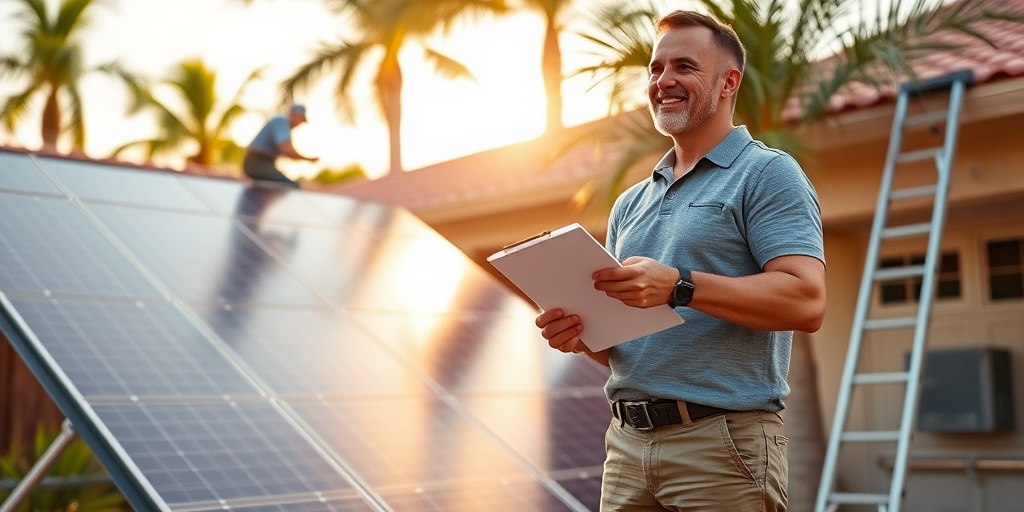
Imagine reducing your electric bill so significantly that you can finally treat yourself to that vacation you’ve always dreamed of, or contribute more to your children’s education. It sounds too good to be true, right? Yet, thousands of Florida homeowners are enjoying just that with solar energy. As we move into 2025, it’s essential to consider how to maximize the efficiency of your solar panel installation—this is where our guide titled 5 Easy Steps to Maximize Your Solar Panel Installation comes in. Did you know that, according to the Solar Energy Industries Association (SEIA), Florida ranks third in the nation for solar capacity, boasting over 3,000 MW of installed solar power? Additionally, a survey from SolarReviews indicates that 73% of homeowners reported significant energy savings after switching to solar power. These numbers prove that now is the right time to consider solar energy for both residential and commercial use in the state. As electricity prices continue to soar and financial incentives for solar installation become more appealing, 2025 presents an urgent opportunity for Florida homeowners to capitalize on the benefits of renewable energy.
In this comprehensive guide, we will cover five crucial steps to ensure your solar panel installation is optimized effectively for energy savings and performance improvements. Here’s a preview of what you can expect:
- Step 1: A case study that illustrates a successful solar panel installation.
- Step 2: A clear checklist to help you navigate the installation process.
- Step 3: Common myths about solar power debunked to address your concerns.
- Step 4: Local data focusing on Florida to emphasize the state’s unique advantages with solar energy.
- Step 5: A technical deep-dive into the essential components of a solar panel system.
Let’s embark on this journey of understanding how to maximize your solar panel installation, ultimately helping you save money and lessen your carbon footprint in the process!
Case Study: The James Family’s Solar Journey in Florida
Meet the James family, proud residents of Miami, Florida. After years of rising energy bills and an evident desire to promote sustainability, they decided to embrace solar energy in 2024. Initially, they were skeptical about the investment required and wondered if the benefits would outweigh the costs. However, armed with knowledge and backed by reliable data, they took the plunge.
To start, the James family consulted with Florida Electric & Solar to assess their energy needs. They quickly learned that their average electricity bill was approximately $300 each month—nearly $3,600 annually! This amount was projected to increase by around 3% each year, making their savings potential even more urgent.
Through careful planning, the James Family installed a 10kW solar panel system, which not only covered their energy costs but also financially rebated them through net metering—a policy allowing homeowners to sell surplus energy back to the grid. In the first year alone, they saved approximately $2,500 on their energy bills, meaning their installation paid for itself in just under five years! Not only did their monthly expenses decrease, but the family adopted a lifestyle aligned with sustainable energy practices.
Thanks to their newfound freedom from soaring electric costs and their commitment to reducing their carbon footprint, the James family took memorable vacations, all while encouraging other Floridians to make the switch to solar. Their success story illustrates the immense potential solar energy has for countless families across the state.
Here’s a checklist of steps to maximize your own solar panel installation:
- Step 1: Conduct an energy audit to understand your consumption patterns.
- Step 2: Research options for financing and incentives available in Florida.
- Step 3: Choose the optimal placement for solar panels to ensure maximum sunlight exposure.
- Step 4: Investigate available solar energy storage solutions for night-time usage.
- Step 5: Share knowledge with neighbors and friends to foster a community of renewable energy users.
In conclusion, the James family’s tale is a testament to the potential for solar energy to transform both finances and lifestyles. With careful planning and the right expertise, you too can embark on this rewarding journey. The urgency to act remains, particularly as we enter 2025 with new incentives and policies designed to encourage renewable energy use.
Step-by-Step Checklist for Solar Panel Installation
Step 1: Audit Your Energy Consumption
The first step toward maximizing your solar power is understanding your energy consumption. Analyze past electric bills from the last 12 months and identify patterns in usage—seasonal peaks, nightly usage, etc. This understanding allows you to size your solar system accurately.
Step 2: Research Financial Incentives
The financial landscape for solar investments is evolving. Florida has specific tax credits and rebates that can reduce the overall cost of your installation. The Federal Investment Tax Credit (ITC) will cover a significant percentage of installation costs (26% through 2022, reduced thereafter). Check the current status in 2025.
Step 3: Optimal Placement of Solar Panels
It’s not merely about installing panels but where you install them. Consider factors such as roof orientation (solar panels should ideally face south in Florida) and shade from trees or buildings. A proper installation increases energy output, maximally positioning your investment.
Step 4: Explore Energy Storage Solutions
Solar energy is primarily generated during the day. By incorporating battery storage, such as the Tesla Powerwall or LG Chem systems, you can use solar power to offset energy consumption at night and store excess energy generated during peak production hours (NREL.gov).
Step 5: Promote Community Awareness
Share your knowledge and experience with friends and neighbors. The more community members engage with solar energy, the more incentive local policymakers have to support initiatives promoting renewable energy. Together, you can shape a sustainable future.
Myth-Busting Common Solar Energy Misconceptions
Many homeowners are still hesitant to make the switch to solar energy due to misconceptions. Here, we debunk some of the most common myths:
Myth #1: Solar Panels Don’t Work on Cloudy Days
False! While solar panels do perform best in direct sunlight, they can still produce energy in diffuse light conditions. Many Florida homeowners have successfully harnessed the sun’s power, even on overcast days.
Myth #2: Solar Energy Is Too Expensive
While the upfront cost may seem daunting, various financing options and long-term savings significantly reduce your overall expenditure. The initial investment often pays for itself within several years, thanks to solar incentives and rebates (SEIA.org).
Myth #3: I Have to Buy My Solar Panels Outright
Many homeowners mistakenly believe buying outright is the only option. Leasing and power purchase agreements allow you to pay for solar energy as you consume it, alleviating the burden of a large upfront cost.
Myth #4: Solar Power Isn’t Efficient Enough
Modern solar panels are more efficient than ever, with some systems converting over 22% of sunlight into usable energy. When paired with energy-saving devices, they can fully power a household (SolarReviews.com).
Myth #5: Solar Systems Require Too Much Maintenance
Once installed, solar panels require very little maintenance. An occasional rinse with water to remove dust or debris typically suffices, and most systems come with warranties that cover repairs for decades.
Local Focus: A Deep Dive into Florida’s Solar Market
Florida’s solar market is booming, and for good reason. The state enjoys over 250 sunny days annually, setting the perfect stage for solar energy production. Recent legislation, like the Energy Security Act, also incentivizes homeowners to adopt renewable energy solutions. Additionally, utility companies are increasingly implementing net metering policies that allow homeowners to sell excess energy generated back to the grid.
Here are four key reasons why going solar in Florida makes so much sense:
- Generous State Incentives: Florida provides a 100% tax exemption on solar equipment, reducing the overall installation costs significantly.
- Surging Electricity Prices: Florida’s average electricity rate has increased from 11.45 cents per kWh in 2020 to 13.66 cents per kWh in 2023, highlighting the jeopardy of continuing reliance on grid energy (Energy.gov).
- Environmental Impact: Embracing solar energy decreases reliance on fossil fuels and aids in combating climate change. Florida ranks high in conservation efforts aimed at preserving its unique wildlife and ecosystems.
- Community Engagement: Numerous local organizations and peer networks continuously advocate for solar energy, ensuring you stay informed about community projects, available incentives, and educational workshops.
By tapping into Florida’s vibrant solar market, you’re not just investing in your home, but also supporting a sustainable future for generations to come.
Technical Deep-Dive: The Essential Components of a Solar System
A successful solar installation isn’t merely about the panels; it involves understanding the entire system. Here’s a closer look at the critical components:
1. Solar Panels: These are the heart of any solar energy system. Modern panels are usually monocrystalline or polycrystalline, each with its efficiency and cost structure. Choosing the right type is crucial based on available roof space and energy needs.
2. Inverters: The inverter converts the DC electricity generated by the solar panels into AC electricity that can be used in your home. String inverters are common, but microinverters provide greater flexibility and efficiency for larger systems.
3. Mounting Systems: Depending on roof type and position, you’ll need an appropriate mounting system to securely attach your panels. This may impact energy production, so it should be carefully considered.
4. Battery Storage: For homeowners seeking energy independence, battery systems allow for energy storage, ensuring access to solar energy even during nighttime or outages. Models may differ in capacities and prices, so research is essential.
5. Monitoring systems: Smart energy monitors enable you to track your energy generation and consumption in real time. By understanding usage patterns, homeowners can optimize energy consumption even further—an essential consideration as Florida homeowners see record heatwaves in summer months.
Next Steps for Florida Solar Buyers in 2025
So, you’ve learned about maximizing solar panel installations and discovered the remarkable benefits of this renewable energy source. Now is the time to take actionable steps! Here’s a detailed action plan to get started:
- Step 1: Audit Your Electric Bill – Review your previous bills and focus on peak usage months to identify potential savings.
- Step 2: Consult with Experts – Work alongside certified professionals who understand Florida’s unique solar environment and the local market.
- Step 3: Determine Your Solar Needs – Assess your household’s energy consumption and select an appropriate system size with expert insight.
- Step 4: Apply for Incentives – Make use of the myriad financial incentives and rebates available in Florida to alleviate the upfront costs.
- Step 5: Schedule Your Installation – Once your system is customized, schedule the installation and enjoy the benefits of clean energy.
By following these steps and doing your research, you can successfully transition to solar energy, leading to significant savings on monthly electric bills and promoting a greener future.
As we reach the conclusion of this extensive guide, remember that transitioning to solar energy is more than an investment in technology—it’s a commitment to a sustainable future and a financially sound decision for your family.
Ready to start your solar journey in 2025? Connect with a certified expert at floridaelectricandsolar.com today.
Related Articles
More insights about Solar Panel

Florida Homeowners: Why Solar Panel Maintenance Is Essential

7 Essential Steps for Solar Panel Installation Success

Expert Insights: Key Factors Influencing Solar Panel Lifespan
Ready to Go Solar?
Have questions about solar energy? Our experts are here to help you make the switch to clean, renewable energy.