
5 Steps to Maximize Your Solar Panel Performance
Share:
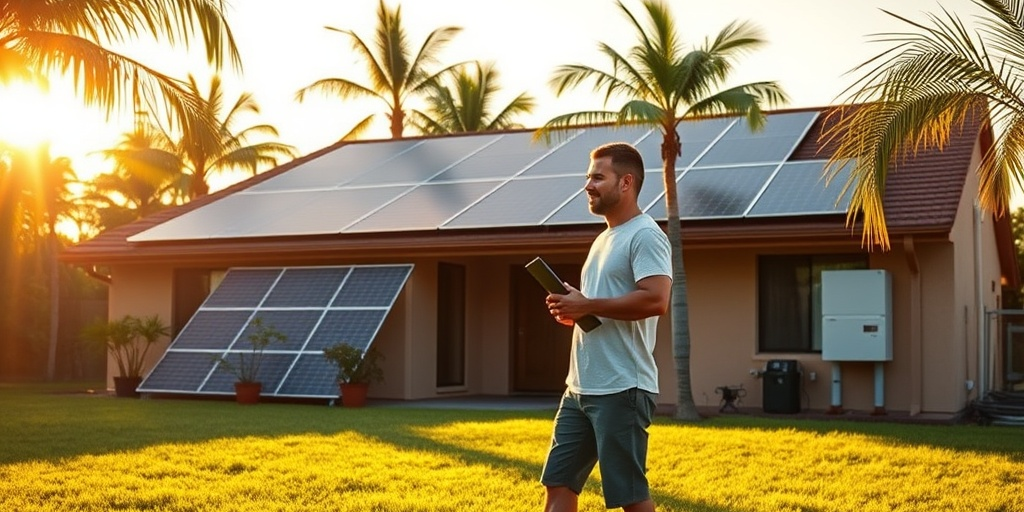
In the sunny state of Florida, homeowners are continuously seeking ways to cut down on their skyrocketing electricity bills. Surprisingly, many do not realize that simply installing solar panels is not enough; understanding how to optimize their performance is crucial. Did you know that only about 20% of solar energy systems in Florida achieve their full potential due to lack of maintenance and awareness? Welcome to our guide on the 5 Steps to Maximize Your Solar Panel Performance. In 2025, with significant changes in energy incentives and increasing energy costs, ensuring that your solar panels function at peak efficiency is more important than ever.
During 2023, the average cost of electricity in Florida was around 13.6 cents per kilowatt-hour, one of the highest in the Southeastern region of the U.S. Meanwhile, a recent National Renewable Energy Laboratory (NREL) report indicated that poorly maintained solar systems could lose up to 30% of their efficiency compared to well-maintained ones. The time for Florida homeowners and commercial property owners to take action is now. So, why should you care? Because every dollar saved on energy is one that you can reinvest into your home, your family, or your business! In this blog, we will delve deep into five essential actions that will not only enhance your solar panel productivity but also ensure you remain ahead of potential energy crises.
In the following sections, we will explore a case study to illustrate the power of maximized solar panel performance, provide a detailed checklist for maintenance, debunk common myths surrounding solar energy, focus on Florida-specific data, and finally offer a technical deep-dive into enhancing the efficiency of your system. Buckle up; this journey toward solar optimization is just beginning!
Transforming Your Energy Landscape: A Case Study
Meet the Johnson family from Tampa, Florida. After experiencing soaring electric bills that peaked at $300 a month during the hot summer months, they decided to transition to solar energy. They invested in a top-tier solar installation that provided an expected savings of 60–70% on their monthly electricity costs. However, after the excitement of installation faded, they noticed their savings plateaued. Curious about what may have gone wrong, the Johnsons reached out to local experts, including Florida Electric & Solar, who suggested they assess and maintain their system.
After some investigation, the Johnsons discovered that their panels were covered in algae and grime, significantly affecting their efficiency. With the right maintenance strategy, not only did they regain their potential savings, but they also improved their energy output by 25%. Across Florida, many homeowners share a similar story—falling short of their solar potential due to a lack of awareness around maximizing their system. In fact, studies show that regular maintenance can boost solar panel efficiency by 20% to 30% (SEIA.org).
Checklist for the Johnsons:
- Step 1: Clean Your Panels—Dirt and debris can dramatically reduce your solar panel efficiency. A simple rinse with water or a professional cleaning service can do wonders.
- Step 2: Regular Inspections—Schedule bi-annual professional inspections to catch potential issues early. This helps ensure integrity and performance.
- Step 3: Monitor Your Energy Output—Invest in smart technology to monitor your system’s output to detect drops in efficiency.
- Step 4: Keep Shade Away—Regularly trim trees and manage landscaping to prevent shading of your solar panels.
- Step 5: Stay Updated on Incentives—Keep abreast of state and federal rebates or incentives that can further enhance your solar investment.
With these actionable steps, the Johnsons were able to transform their energy landscape, reflecting just how critical it is to adopt a proactive posture toward solar panel performance.
Unveiling the Essential Checklist for Solar Maintenance
Your solar panels are an investment; how you care for them can significantly impact your returns. The last thing any Florida homeowner wants is to have sky-high energy bills due to mismanaged solar panels. Here’s a comprehensive checklist to guide you toward maximum efficiency:
- 1. Regular Cleaning—Dirt, leaves, and bird droppings can accumulate on your panels. Commit to a cleaning schedule, ideally every six months, and consider hiring professionals if the panels are difficult to reach.
- 2. Inspection of Components—Regularly check inverters, wiring, and other components for wear and tear. Look for any visible damage; small issues can lead to bigger problems down the line.
- 3. Shade Management—Evaluate the surrounding area to identify any new growing trees or foliage that could cast shade and impact your panels. It may be worth investing in landscaping or tree trimming.
- 4. Performance Monitoring—Leverage technology; modern solar systems come with performance monitoring features. Real-time analysis allows you to spot discrepancies in energy production quickly.
- 5. Document System Performance—Maintain a journal of your solar energy outputs in various conditions. This information is crucial for identifying when maintenance is needed.
- 6. Understand Local Regulations—Familiarize yourself with Florida solar policies and incentives that can impact your savings, then stay current to maximize benefits.
- 7. Consult with Professionals—As the industry evolves, don’t hesitate to reach out to experts if you feel uncomfortable with maintenance tasks.
Maintenance is not just an afterthought; it is the foundation to thriving in your solar journey.
Myth-Busting Common Misconceptions about Solar Panels
There are numerous myths circulating about solar energy that can hinder the decisions of potential adopters. It’s time to debunk these misconceptions.
Myth #1: Solar Panels Don’t Work in Cloudy Weather
Many people believe that solar panels need bright sunshine to generate electricity. While it is true that they perform better in direct sunlight, solar panels can still produce energy even on cloudy days—approximately 25% to 50% of their potential output (Energy.gov).
Myth #2: Solar Energy is Too Expensive
Thanks to advancements in technology, solar energy has become more affordable over the years. The average cost has fallen by over 70% since 2010 (SEIA.org). Combine this with government incentives, and it’s an economical choice.
Myth #3: Solar Panels Require a Lot of Maintenance
In reality, solar energy systems require minimal maintenance. Cleaning panels periodically and checking connections a couple of times a year can ensure they remain effective.
Myth #4: You Have to be Off the Grid to Enjoy Solar Benefits
Many homeowners can benefit from solar energy without becoming completely off-grid. You can use solar power while still being connected to the traditional electric grid.
Myth #5: Solar Efficiency is Low
Modern solar panels boast efficiencies ranging from 15% to 22%. That’s a significant output, even in less-than-ideal conditions, helping reduce dependency on traditional energy sources.
The realities of solar energy are bright, filled with opportunities for savings and sustainability. Don’t let misunderstandings hold you back.
Mastering Solar Technologies: A Technical Deep-Dive
Understanding how solar energy systems function at a technical level can empower you as a solar owner. Let’s break down the core components and what you need to know to maximize performance.
At the heart of a solar energy system are three key components: solar panels, inverter, and battery storage. The solar panels convert sunlight into electricity, the inverter transforms DC electricity from the panels into usable AC electricity, and an optional battery can store excess energy for later use.
Consider the quality of each component; top-tier panels typically have warranties of 25 years, while inverters might last a decade. Investing in high-quality components can ensure optimal performance for years, making it more beneficial long-term.
- 1. Solar Panels: Look for high-efficiency panels with minimal degradation rates. Research leads to discoveries about brands with proven performance under varied conditions.
- 2. Inverters: Understand the difference between string inverters, microinverters, and power optimizers. The choice affects energy output based on system layout.
- 3. Energy Storage: Assess whether a battery system fits into your lifestyle. A battery can provide backup during outages and store solar energy for later use.
- 4. Keep an Eye on the Meter: Familiarize yourself with how your energy meter tracks solar energy usage. This awareness is essential for tracking savings and detecting issues.
As Florida’s energy landscape continues to evolve, a keen understanding of the technical aspects of solar technology can help you remain at the forefront of solar efficiency.
Next Steps for Florida Solar Buyers in 2025
The journey doesn’t end with installation; it is crucial to stay engaged in your solar journey. Here’s your actionable plan:
- Step 1: Audit Your Electric Bill
Obtain at least two years of past electric bills and analyze your consumption patterns. Identify peak usage times and plan accordingly. - Step 2: Engage Professionals
Seek an inspection from trusted professionals like Florida Electric & Solar to discuss optimizing your system’s performance. - Step 3: Educate Yourself
Stay up to date on legislative changes regarding solar panels and incentives, which are subjected to change annually. This will help you tap into potential savings. - Step 4: Monitor Solar Output Regularly
Set monthly reminders to review your energy output using any available monitoring tools. - Step 5: Join Local Community Solar Initiatives
Become part of neighborhood solar programs where you can share tips, experiences, and even collectively leverage discounts.
Your engagement is essential for reaping the full benefits of your solar investment.
Conclusion
Maximizing your solar panel performance involves a combination of awareness, maintenance, and technical insight. Each step you take today brings you closer to not just significant savings on your energy bills but also contributes to a more sustainable planet. As a Florida homeowner or commercial property owner, you’re in a unique position to harness the sun’s energy to make a tangible difference—financially and environmentally.
With tools like monitoring devices, professional services, and a proactive approach to maintenance, you can ensure your solar panels operate at peak efficiency, avoid common pitfalls, and remain competitive in a rapidly evolving energy landscape. The urgency of this undertaking is heightened in 2025, where substantial energy cost increases and incentives intertwine with our nation’s move toward sustainable energy solutions.
Ready to start your solar journey in 2025? Connect with a certified expert at floridaelectricandsolar.com today.
Related Articles
More insights about Solar Panel

Florida Homeowners: Why Solar Panel Maintenance Is Essential

7 Essential Steps for Solar Panel Installation Success

Expert Insights: Key Factors Influencing Solar Panel Lifespan
Ready to Go Solar?
Have questions about solar energy? Our experts are here to help you make the switch to clean, renewable energy.