
5 Steps to Navigate Solar Panel Installation Financing Options
Share:
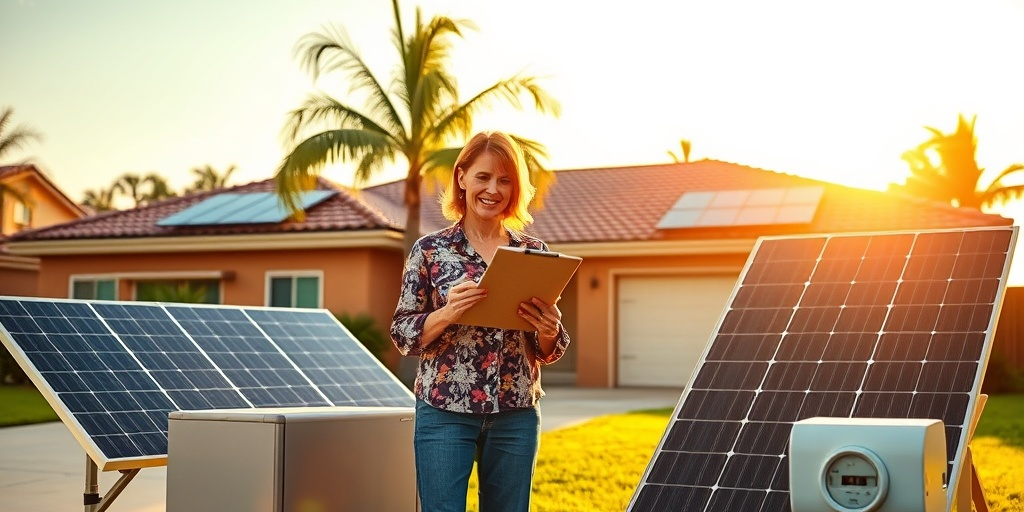
As Florida homeowners, many of us are feeling the pinch of rising energy costs, which have surged by over 20% in recent years (Energy.gov). This alarming trend emphasizes one essential truth: if you want to reduce your utility bills, you can no longer afford to wait. The shift to solar energy has never been more urgent, especially in 2025, as new government incentives are on the horizon. There has never been a better time to explore solar panel installation options. In this actionable guide, “5 Steps to Navigate Solar Panel Installation Financing Options,” we will clarify the financing landscape to help ensure you make informed decisions that lead to significant savings on your utility bills today. By the end of this article, you’ll have the tools necessary to navigate this crucial aspect of solar power adoption.
Why does this topic matter now? The perfect storm of climate change and rising energy prices, coupled with the increasing stability of solar technology, underscores the advantages of embracing solar. With solar energy becoming more accessible and financing options expanding, Florida homeowners can find solutions to avoid the pitfalls of conventional financing. As part of our commitment to providing Florida homeowners with the best solar education, we will cover the following five essential steps:
- Understanding Your Financial Options
- Evaluating Incentives and Rebates
- Identifying the Right Financing Method
- Working with Reputable Solar Installers
- Finalizing Your Solar Installation Agreement
Let’s embark on this enlightening journey together.
Understanding Your Financial Options for Solar Panel Installation
Before diving into financing solar panel installation, it’s vital to understand the different financial packages available and how they affect your budget. Consider the heartfelt story of Maria and John, a couple living in the heart of Orlando. After a particularly harsh summer, they were left with a staggering electricity bill of over $300. Inspired by their neighbor’s solar power success, they began researching financing options. They soon discovered multiple pathways, each with its own pros and cons.
- Cash Purchase: The most straightforward approach, where you pay upfront. This offers maximum savings since you won’t owe interest, and you can enjoy all tax benefits immediately.
- Loans: These are available from various financial institutions and many offer low-interest rates. They help with upfront costs while allowing you to pay over time without sacrificing savings from decreased electricity bills.
- Leases and Power Purchase Agreements (PPAs): Here, a third party owns the solar system. You either lease the panels or purchase the electricity generated at a set rate. While this reduces upfront costs, it may limit your potential savings and tax benefits.
- Government and Utility Programs: In Florida, programs like the Solar Energy System Incentives and various utility rebates can significantly reduce the cost (SolarReviews.com).
For Maria and John, understanding these options was crucial. They opted for a loan, which allowed them to install a comprehensive solar system while maintaining financial flexibility. Here are the steps they followed:
- Assess Your Budget: Calculate how much you can allocate monthly for solar payments versus what you currently spend on electricity.
- Research Financing Options: Visit local lenders and utilities to understand specific offers available in Florida.
- Compare Rates: Make sure to compare interest rates on loans as well as the terms of leases or PPAs—different providers offer various rates that can dramatically impact your overall cost.
Understanding your financing options doesn’t just prevent buyer’s remorse; it can lend you the confidence to embrace solar technology fully. However, financing decisions shouldn’t be made in isolation. Many people share concerns that solar systems won’t pay for themselves over time.
Evaluating Incentives and Rebates for Solar Panel Installation
Perhaps the most compelling reason for going solar in 2025 lies in recognizing the abundance of available incentives. Did you know that Florida residents can currently reap the benefits of the federal Investment Tax Credit (ITC) that allows you to deduct 26% of your solar installation costs from your federal taxes? (SEIA.org) The financial landscape is more favorable than ever, and understanding these incentives can prove critical in decision-making.
Here are some favorable incentives to consider:
- Federal Tax Credit: As mentioned, the ITC offers substantial savings, reducing upfront costs dramatically.
- Florida Solar Tax Exemption: Florida homeowners are exempt from paying sales tax on solar PV systems, which can translate to several thousand dollars in savings.
- Utility Rebate Programs: Many Florida utilities offer rebates for solar installations, effectively lowering your overall investment. For instance, an average rebate can range from $0.40 to $0.75 per watt, depending on your provider (Energy.gov).
Maria and John understood that evaluating these incentives was crucial for optimizing their investment. Here’s how they did it:
- Research Local and Federal Incentives: With so many incentives available, they visited the floridaelectricandsolar.com website to access an expert-curated list.
- Consult a Tax Professional: Consulting with a tax professional ensured that they maximized their tax credit and understood their filing implications.
- Determine How Incentives Fit Your Financing: Assess how incentives interact with the financing options you chose.
The financial climate for embracing solar energy is rapidly changing. With increasing incentives and support, Floridians can find a favorable path to solar adoption more accessible than ever.
Identifying the Right Financing Method for Solar Panel Installation
Once you have a comprehensive understanding of your financing options and the incentives, it’s essential to choose the right method. Families must consider their long-term finances when making these decisions. One critical misconception is that loans always lead to higher long-term costs. However, with low-interest rates, many loans can become the most advantageous choice.
- Loan vs. Lease: While leasing may appear more attractive due to the lower upfront cost, they typically lock you into a long-term contract without ownership of the system.
- Inverter Financing: Some homeowners might opt for financing solely for advanced inverters that can increase panel efficiency. Be sure to consider what equipment you’re financing and how it will impact overall costs.
Maria and John decided to finance their solar installation with a loan because they aimed to maximize savings and eventually own the solar panels outright. Here’s how to choose the suitable financing methods:
- Evaluate Your Credit Score: Your credit score affects your financing options. A higher score can lead to lower rates.
- Compare Terms: Analyze the interest rates, repayment periods, and impact of each financing method.
- Read the Fine Print: Always read all agreements thoroughly to ensure you understand additional fees or early repayment penalties.
Making an informed choice about financing is vital for turning your solar energy aspirations into reality. Will you play it safe with a lease or take the plunge with a direct purchase? The decision is yours, but Florida homeowners have the benefit of many favorable financing avenues.
Working with Reputable Solar Installers
When considering solar installations, the role of a reputable solar installer cannot be overstated. Deciding who to trust with your investment can be daunting. According to recent data, around 60% of Florida homeowners express skepticism about negotiating fair contracts with solar installation companies (SolarReviews.com). This caution is justified in a burgeoning industry filled with varied pricing and service levels. Maria and John found success by following particular actions to assure their partnership was beneficial.
- Check Online Reviews: Platforms such as EnergySage and SolarReviews give valuable insight into potential installers.
- Request Quotes: Obtaining bids from multiple companies ensures you’re receiving competitive pricing.
- Verify Licensing and Insurance: Confirm that your installer possesses the necessary licenses to operate in Florida and holds adequate liability coverage.
The couple took these measures seriously and compiled a list of several reputable installers before making a final decision. Here’s what they did:
- Gather Information: After identifying potential candidates, they conducted a rigorous vetting process by interviewing previous clients.
- Review Financing Options Available: Not all installers offer the same financing methods, so they were careful to find one that met their needs.
- Establish Clear Communication: They ensured ongoing communication regarding timelines, expenses, and potential hiccups.
Finding a reliable solar installer brings peace of mind, further ensuring your investment is protected.
Finalizing Your Solar Installation Agreement
As you near the completion of your solar journey, finalizing your solar installation agreement deserves careful consideration. Mistakes at this juncture can prove costly. Knowing the process can ease anxiety. Homeowners often wonder if they are getting a fair deal. Maria and John felt reassured thanks to their due diligence, and they made informed decisions as they entered into their final agreement.
- Verify All Details: Ensure the agreement outlines specific details about the system being installed, warranties, and maintenance expectations.
- Clarify Financing Details: Check that all financing arrangements mirror what you previously discussed and agreed upon.
- Establish Communication Protocols: Determine how you will communicate about progress updates as the installation occurs.
As they signed their agreement, Maria and John firmly understood all variables at play and felt content with their choices. Here are the final steps they took:
- Consult Solar Experts: They sought opinions from experts to triple-check their final documents.
- Finalize Permits: Ensure all local zoning permits and regulations are satisfied to prevent delays.
- Schedule Installation: Timing matters, especially in Florida, with weather considerations and seasonality.
Finalizing your agreement emerges as a critical step in the solar journey. Transparent communication establishes trust and allows projects to proceed smoothly, ensuring an effortless transition to energy independence.
Conclusion
In this interconnected exploration of solar financing, we traversed vital steps to navigate the complex but rewarding landscape of solar panel installation financing options. Recognizing the urgency in 2025, understanding financial choices, evaluating incentives, identifying suitable financing methods, and working with reputable installers are all key components of this journey toward achieving energy independence. As you consider your own solar aspirations, remember the critical steps exemplified by Maria and John: research, verify, and make informed decisions.
Ready to start your solar journey in 2025? Connect with a certified expert at floridaelectricandsolar.com today!
Related Articles
More insights about Solar Panel

Florida Homeowners: Why Solar Panel Maintenance Is Essential

7 Essential Steps for Solar Panel Installation Success

Expert Insights: Key Factors Influencing Solar Panel Lifespan
Ready to Go Solar?
Have questions about solar energy? Our experts are here to help you make the switch to clean, renewable energy.