
5 Essential Steps for Solar Panel Maintenance to Maximize Efficiency
Share:
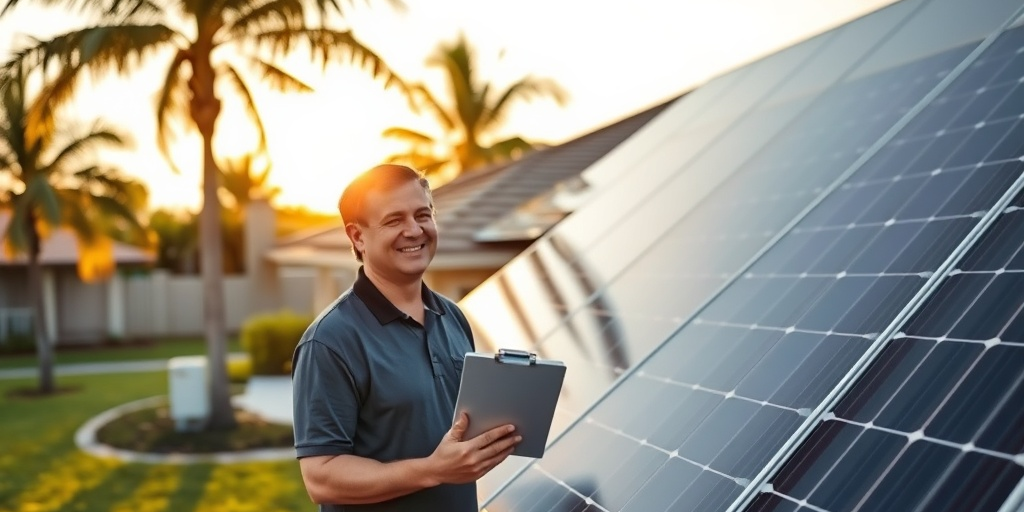
As the sun shines brightly over the Sunshine State, Florida homeowners are embracing a renewable energy revolution. Did you know that residential solar energy installations in Florida are expected to surpass 200,000 by the end of 2025? With rising energy costs and increasing concerns over climate change, it’s never been more important for homeowners to maximize their energy savings through efficient solar power. In fact, regular maintenance of solar panels can lead to a 10-30% increase in efficiency (Energy.gov). Welcome to our guide on 5 Essential Steps for Solar Panel Maintenance to Maximize Efficiency. In this comprehensive breakdown, we will explore how simple upkeep can boost your system’s lifespan and substantially lower your power bills—both crucial factors in our modern solar economy. As incentives for solar energy are continually evolving, ensuring your system operates at peak performance is vital. Let’s navigate the essential maintenance steps every Florida homeowner should take to keep their solar energy systems running smoothly. Our five sections will cover a detailed case study on solar maintenance, an easy checklist you can follow, prevalent myths surrounding solar upkeep, local considerations for Florida owners, and a technical deep dive into system components. Join us as we explore these essential steps that promise not only energy savings but contribute to a sustainable future.
Understanding the Importance of Solar Panel Maintenance
Applicable to solar energy systems across the board, maintenance is crucial for ensuring overall efficiency and durability. To illustrate this, consider the case of the Jones family in Orlando, who invested in solar panels three years ago. Initially, their system was actively generating power, drastically reducing their electricity bills. However, they noticed a gradual decline in their panel efficiency. Concerned, they contacted Florida Electric & Solar, where they learned the importance of routine maintenance. Customer consultations revealed that their panels had become slightly dirty and misaligned due to weather conditions—issues that, if left unaddressed, could accumulate and cost them significantly in lost energy savings.
- **Case Study Summary**: The Jones family realized that neglect led to missed energy savings. A simple cleaning and realignment restored efficiency, underscoring the importance of routine maintenance.
- **Solar Power Essentiality**: Regular upkeep is not just beneficial; it is essential for Florida homeowners looking to maximize their returns on investment and benefit financially from state and federal solar incentives.
Here are five crucial steps to help keep your solar panels in top shape and address typical solar maintenance issues:
- Step 1: Regular Cleaning
- Step 2: Monitor Performance
- Step 3: Check for Physical Damage
- Step 4: Inspect Components
- Step 5: Schedule Professional Inspections
A Solid Checklist for Solar Panel Maintenance
Incorporating solar energy into your home is a great decision, but maintaining that system is equally essential for maximizing efficiency. Here’s a convenient checklist for comprehensive solar panel maintenance in Florida:
- Step 1: Regular Cleaning
- Before you climb up to clean, check the weather; overcast days or early mornings can help you avoid heat-related injuries.
- Use a non-abrasive soap and water solution with a soft brush or sponge. Avoid harsh chemicals that could damage your solar panels.
- Step 2: Monitor Performance
- Utilize monitoring systems to track energy output regularly; most solar panels come with monitoring tools that alert you if performance drops.
- Compare current performance data to historical data; this can highlight any inconsistencies that may require your attention.
- Step 3: Check for Physical Damage
- After severe weather (hurricanes, storms), inspect your panels for damage like cracks or breaks. A small issue can become a larger, costlier problem if left unattended.
- Ensure surrounding trees are trimmed to prevent shading and potential physical damage to the structure.
- Step 4: Inspect Components
- Maintain your inverter. If you notice any error codes on the display, consult the manual to troubleshoot common issues.
- Check the wiring and connections for corrosion or wear; this is critical in Florida, where humidity and storms can affect electrical components.
- Step 5: Schedule Professional Inspections
- Hire a qualified technician at least once a year to perform a comprehensive inspection. This frequency is especially essential in Florida due to the environmental conditions.
- Don’t hesitate to consult professionals when in doubt—an expert can diagnose and resolve issues effectively.
Regular maintenance based on this checklist can enhance system efficiency by up to 25% (SolarReviews.com). For tailored services, consider reaching out to floridaelectricandsolar.com, where experts can help set up effective maintenance schedules for your solar panels.
Myths About Solar Panel Maintenance Debunked
For Florida homeowners, understanding the ins and outs of solar panel maintenance is essential. Unfortunately, several myths can cloud judgment and lead to inefficiencies. Here are some prevalent misconceptions and the truths that debunk them:
- Myth #1: Solar Panels Don’t Need Maintenance
Many believe that solar panels are self-sufficient once installed. However, neglecting routine cleaning and inspections can lead to decreased efficiency. Clean panels generate more energy (SEIA.org). - Myth #2: Any Soap Will Do for Cleaning
Using harsh chemicals or abrasive tools can scratch panels, leading to reduced efficiency and potential damage. Stick to gentle cleaning solutions. - Myth #3: Solar Panels Last Forever
While solar panels are durable, they still require care to maintain performance. Most warranties cover 25 years, but that doesn’t mean the system will function optimally without attention (NREL.gov). - Myth #4: Pricey Inspections Aren’t Necessary
While regular inspections may seem costly upfront, they can save you thousands in repairs and inefficiencies down the line. Investing in periodic checks is a smart financial move. - Myth #5: All Solar Panels Are the Same and Require the Same Care
Different panels have unique maintenance needs based on efficiency ratings and technology. Knowing your system specifics ensures proper care.
Understanding these myths is crucial for all Florida solar homeowners. By debunking them, you can make informed choices about your maintenance schedule and keep your solar system functioning at its best.
Florida-Specific Considerations for Solar Maintenance
In a state known for its abundant sunshine, Florida provides ample opportunities for solar energy generation. However, the unique environment necessitates specific considerations for maintenance. Here are some important local factors to keep in mind:
- Humidity and Mold Growth: Humidity can promote mold, algae, or mildew, potentially obstructing energy production. Regular cleaning is vital in combating these issues.
- Hurricanes and Storms: Due to Florida’s storm-prone weather, it’s imperative to inspect your solar panels post-storm to catch any damage early on.
- Local Incentives and Regulations: Florida homeowners should stay updated on local legislation and incentives regarding solar energy (DSIREUSA.org). Understanding policies can help you capitalize on maximum rebates and ensure your system is compliant with state regulations.
- Qualified Technicians: Seek certified local solar maintenance professionals familiar with Florida’s unique climate to ensure informed guidance and care.
Adopting a proactive approach that considers Florida’s particular climate and regulations can dramatically extend your solar system’s life and efficiency.
Understanding Your Solar System: A Technical Deep-Dive
As a Florida homeowner considering solar energy, it’s essential to understand the various components of your solar system and how they collectively function to save you money. Here’s a detailed look:
- Solar Panels: These are your primary components that convert sunlight into electricity. Their efficiency varies based on quality, placement, and maintenance.
- Inverters: Converting direct current from the solar panels into alternating current that your home uses, the inverter is essential for power generation. Regular checks for performance and overhead costs are vital.
- Batteries: These store excess electricity for use when sunlight isn’t available, providing homeowners with energy independence and savings. Be sure to monitor battery health and performance regularly.
- Monitoring Systems: Some systems come equipped with software that tracks performance in real time. Understanding this data can help you catch irregularities early and keep your system running optimally.
- Billing Mechanisms: Florida solar energy policies allow net metering, which credits homeowners for excess electricity sent back to the grid. Keep tabs on your utility statement for inaccuracies.
Understanding these components is the key to identifying maintenance needs and optimizing performance. Armed with insight, Florida homeowners can confidently assess maintenance requirements to secure both immediate and long-term benefits from their investments.
Next Steps for Florida Solar Buyers in 2025
As you move forward with your solar journey, here’s a structured action plan for Florida homeowners in 2025:
- Step 1: Audit Your Electric Bill
Understand how much you’re currently paying and assess potential savings from solar energy. - Step 2: Research Local Installers
Look for noted solar companies with a strong reputation for customer service and expertise, particularly in your area. - Step 3: Plan Maintenance Schedules
Utilizing the outlined checklist, establish proactive maintenance measures to keep your system efficient. - Step 4: Educate Yourself on Incentives
Stay abreast of new programs or changes in legislation affecting solar. Utilizing available incentives can maximize savings. - Step 5: Connect with Experts
Reach out to floridaelectricandsolar.com if you need assistance or guidance. Make sure you’re taking full advantage of available resources.
By engaging in these steps, homeowners can navigate their solar journey effectively and thoughtfully. The transition to solar energy offers not only the promise of lower electricity bills but also contributes to a cleaner, sustainable future.
Conclusion
Every step you take towards maintaining and optimizing your solar energy system is a step towards significant long-term savings and a sustainable future. By understanding the importance of routine care, busting the myths around solar maintenance, and consulting with local experts, you can ensure that your investment in solar power pays dividends. As we move into 2025, with the continuous evolution of energy policies and incentives, now is the best time to take charge. Your commitment to solar energy doesn’t just affect your financials; it sets a legacy for your family and community that values sustainability and responsibility. Ready to start your solar journey in 2025? Connect with a certified expert at floridaelectricandsolar.com today.
Related Articles
More insights about Solar Panel

Florida Homeowners: Why Solar Panel Maintenance Is Essential

7 Essential Steps for Solar Panel Installation Success

Expert Insights: Key Factors Influencing Solar Panel Lifespan
Ready to Go Solar?
Have questions about solar energy? Our experts are here to help you make the switch to clean, renewable energy.