
5 Essential Tips for Solar Panel Installation in Florida
Share:
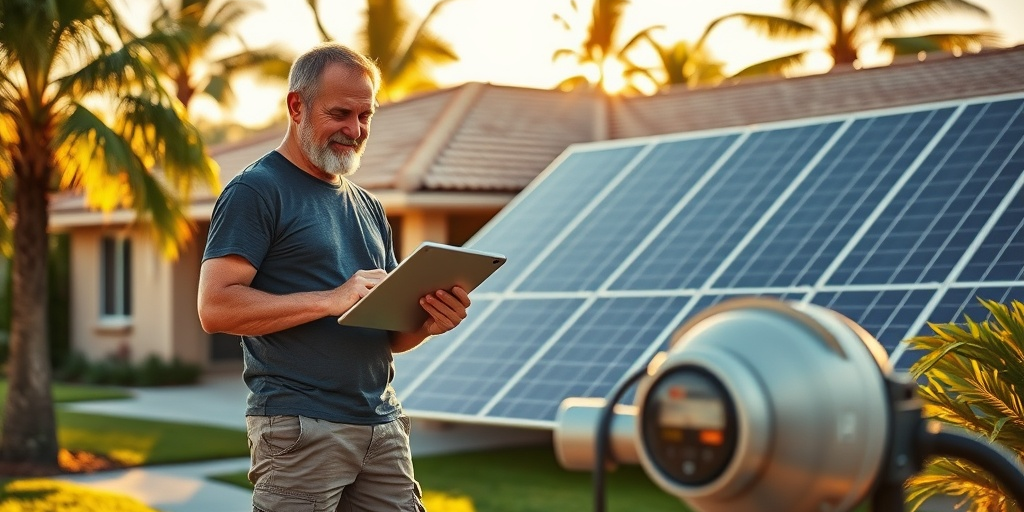
As the sun rises higher every year, Florida is becoming an epicenter for solar energy solutions, and the urgency for homeowners and business owners to harness its potential has never been clearer. Did you know that Florida ranks second in the nation for installed solar capacity, trailing only California? In 2025, solar energy isn’t just an option; it is a sensible and sustainable way to cut down your electric bills and increase your property value. However, navigating the path to solar panel installation can be complex, filled with misconceptions and uncertainties. This is where our blog post titled 5 Essential Tips for Solar Panel Installation in Florida comes into play.
In recent years, homeowners have seen a dramatic rise in energy costs. In fact, electricity prices in Florida increased by over 30% in just the past decade (Energy.gov). By switching to solar power, you not only position yourself ahead of these climbing costs but also benefit from various incentives, such as a 26% federal tax credit for solar energy systems installed by December 31, 2022, and state incentives that further enhance the profitability of your decision to go solar.
Understanding which steps to take can make all the difference in your journey to solar energy. This is why we’re here to guide you through five critical and actionable tips that will maximize your savings and help you make informed decisions regarding your solar panel installation. Each section will unveil new insights, from case studies that highlight real-life successes to myth-busting common misconceptions, and a deep dive into technical details that can influence your choices. Here’s a preview of what you can expect:
1. A compelling case study of a typical Florida homeowner’s journey to solar energy
2. A checklist of actionable steps to follow for a successful installation
3. Debunking myths that often deter homeowners from going solar
4. Local focus on Florida-specific factors to consider in your installation
5. A technical breakdown to navigate the complexities of billing and system choices
Let’s embark together on this enlightening journey as we unlock the keys to successful solar panel installation in Florida!
Solar Success: A Case Study of a Florida Homeowner’s Journey
Meet Laura. Living in sunny Fort Myers, she was tired of rising utility bills and increasingly unstable energy dependency. In 2023, Laura decided to venture into the world of solar energy while researching the proven benefits of solar panel installation. After conducting initial research on her electric bill and understanding the potential savings, Laura discovered that her family could save more than $1,900 annually by installing solar panels on their home (SolarReviews.com). However, her journey was laden with considerations that every Florida homeowner should keep in mind.
- Step 1: Assess Your Energy Consumption — Laura started by auditing her past electric bills to estimate her energy consumption accurately. She noted peak usage months and the reasons behind those spikes, such as summer air conditioning. The more insight you have into your own energy use, the better your solar setup will be suited for your lifestyle.
- Step 2: Understand Available Incentives — Laura learned about various state tax credits and rebates available for solar installation. The Solar Energy Industries Association noted that in the Sunshine State, homeowners could benefit significantly from programs that offset installation costs (SEIA.org). Understanding these financial benefits propelled Laura’s decision to move forward.
- Step 3: Choose a Reputable Installer — One of the most crucial decisions for Laura was selecting a trustworthy solar installation company. She researched local businesses, read customer reviews, and checked licenses. Florida Electric & Solar became her top choice due to their stellar reputation and commitment to quality.
- Step 4: Plan for the Installation Process — Upon deciding on an installer, Laura met with the team to finalize her solar system design and installation timeline. Proper planning helped her avoid any surprises during the installation, an often-overlooked detail that can lead to delays and potential miscommunications.
- Step 5: Monitor and Adjust — The installation was completed without a hitch, and Laura could finally witness the benefits firsthand. After the installation was finalized, she continued to monitor her usage, solar production, and overall savings—an essential ongoing practice to maximize the benefits of her solar investment.
Laura’s story illustrates the vital steps any Florida homeowner should take to ensure a successful transition to solar energy. With the right knowledge and preparation, you can embrace solar energy with confidence and purpose. But knowledge doesn’t stop here. Join us next as we present a concrete checklist that you can follow to enhance your solar installation journey—step by crucial step!
Essential Checklist for Solar Panel Installation
Are you ready to take the plunge into solar energy? The process can be overwhelming, which is why we’ve crafted this easy-to-follow checklist. This structured approach will guide you from consideration to installation so that you reap the benefits of solar power with minimal headaches.
- Step 1: Audit Your Electric Bill
- Gather at least 12 months of your electric bills to analyze your consumption patterns. Make note of seasonal variations.
- Using tracking tools or budgeting apps can help visualize your usage over time.
- Step 2: Research Available Incentives and Financing Options
- Understand federal tax credits, state incentives, and local rebates that can reduce up-front costs. The 2025 federal tax credit can still significantly benefit your purchase.
- Explore financing options, including solar loans, leases, and power purchase agreements (PPAs).
- Step 3: Choose the Right Solar Equipment
- Consult with an energy expert to determine the best type of solar panels, inverters, and battery systems for your needs.
- Evaluate the warranties offered for equipment and installation, as high-quality components can save you trouble in the long run.
- Step 4: Get Multiple Quotes from Reputable Installers
- At least three quotes allow you to compare options. Look for installers who specialize in Florida-based solar solutions.
- Check credentials, customer reviews, and past projects for peace of mind.
- Step 5: Prepare for Installation Day
- Clear any large items from the installation area to facilitate the work process.
- Ensure access to your home is granted for the team and familiarize yourself with the day’s schedule.
This checklist should empower you to take each necessary step with confidence. As you lay the groundwork for your long-term solar savings, it’s crucial to look out for misunderstandings that might derail your project. Let’s address the myths surrounding solar installations that can cloud your judgment.
Myth-Busting Common Misconceptions about Solar Energy
Over the years, several misconceptions about solar energy challenges homeowners considering a transition. Let’s debunk a few of the most pervasive myths that may have clouded your understanding of solar power.
- Myth #1: Solar Panels Only Work in Sunny States
While it’s true that solar panels operate most efficiently in sunny locations, they can still produce energy on cloudy days. Solar technology has advanced significantly, allowing panels to harness ambient light effectively (SolarReviews.com).
- Myth #2: Solar Systems are Too Expensive Upfront
Although the initial investment can be substantial, various financing options and incentives make solar affordable for many homeowners. Furthermore, the long-term savings on electric bills often far outweigh the initial costs (SEIA.org).
- Myth #3: Solar Energy is Inefficient
Modern solar panels exhibit remarkable efficiency, with many converting over 20% of solar energy into usable electricity. Continuous innovations in technology also promise even better performance in the future.
- Myth #4: I Can’t Install Solar Panels on My Property
Whether you own a home, a business, or even a condo, solutions tailored for different properties make solar energy accessible for most structures. Options like community solar programs offer alternatives for renters or those with unfavorable roof conditions.
- Myth #5: Solar Panels Require Too Much Maintenance
In reality, solar panel systems are designed for minimal maintenance. Regular cleanings and periodic inspections are all that’s needed, making it a set-and-forget investment!
By debunking these myths, we pave the way for more Florida homeowners to embrace solar energy confidently. Now that we’ve tackled the misconceptions, let’s turn our attention to local considerations that must be understood before installing your solar panels.
Florida-Specific Considerations for Solar Installation
Florida is not just the Sunshine State in name; it boasts some of the most generous solar policies and incentives in the country. But, to maximize the benefits of solar energy installation, you must remain aware of various factors that are unique to the region.
- Net Metering
As of 2022, Florida’s net metering policy allows homeowners to receive credits for the excess electricity generated by their solar systems. This means you can offset your utility bills significantly, especially during peak sun hours when your system is at its most productive (DSIREUSA.org).
- Hurricane Preparedness
Given the propensity for hurricanes in the state, understanding how your solar system will respond to extreme weather events is vital. Proper installation by licensed professionals will ensure that your panels withstand Florida’s stormy conditions.
- Local Benefits
Many counties in Florida, including Miami-Dade and Broward, offer local incentives for solar installations, such as property tax exemptions. Checking local regulations can provide additional financial benefits and expedite your installation (SEIA.org).
- Permitting Process
Familiarizing yourself with local codes and regulations will help streamline your installation process. Deals vary significantly from one Florida region to another, making due diligence essential.
- Community Solar Projects
If your home isn’t ideal for solar installation, consider community solar programs that allow you to invest in a shared solar farm and still reap the benefits of solar energy. This model helps many Floridians participate in the solar surge.
These Florida-specific considerations illuminate the local landscape for solar installation. To further support your journey, let’s shift gears and explore the technical aspects of solar energy systems that can influence your decision-making.
The Technical Deep-Dive: Navigating Solar Energy Systems
Understanding the intricacies of solar energy systems is crucial for making informed decisions. The technology, from inverters to battery choices, affects how efficiently your system operates and how quickly you can pay off your investment.
- Solar Panels
There are several types of solar panels available in the market. Monocrystalline panels are typically more efficient and space-efficient compared to polycrystalline ones. Understanding the technical specs of these panels can help you choose the right option for your roof space and energy needs.
- Inverters
Inverters convert the direct current (DC) produced by solar panels into alternating current (AC) used by your home. There are string inverters, microinverters, and power optimizers to consider, each having its pros and cons. Selecting the right inverter can lead to improved system efficiency.
- Battery Storage
With the added benefit of a battery system, you can store excess energy generated during the day for nighttime use. This autonomy can lead to substantial savings on utility bills and can be a lifesaver during power outages, providing you with a backup power supply.
- Billing Structure
Understand your utility company’s billing structure. Whether they offer fixed rates, time-of-use pricing, or a tiered structure will affect how much you save with solar. This knowledge can significantly influence your return on investment and help you maximize your savings.
- Monitoring Solutions
Many modern systems come with monitoring apps that allow you to track energy production and usage. Installing these solutions will enable you to stay informed, ensuring your system functions optimally and maximizing savings.
With a deep understanding of the technical aspects mixed with knowledge of Florida’s solar landscape, you are now equipped to take the next steps. It’s time to plan your action strategy for an effective transition to solar energy.
Next Steps for Florida Solar Buyers in 2025
The sun is shining brightly over Florida, and the moment to embrace solar energy is now! To embark on this journey successfully, following a clear action plan is essential. Here are the steps you should take:
- Step 1: Audit Your Electric Bill
As discussed earlier, conduct an exhaustive review of your electricity expenses to establish a baseline of your energy consumption. Identify your peak usage times and patterns to gauge your future solar system’s needs accurately.
- Step 2: Research Available Incentives
Look into federal, state, and local incentives, as well as financing options that can significantly reduce upfront costs. Websites like floridaelectricandsolar.com can provide additional resources and information.
- Step 3: Consult with a Solar Expert
Speak with local solar energy professionals to discuss your specific needs and get personalized recommendations. Understanding what type of system works best for you is crucial.
- Step 4: Evaluate Installation Companies
Don’t hesitate to obtain multiple quotes from different companies. Compare their expertise, reviews from past clients, and the types of equipment they use to find the best fit for your needs.
- Step 5: Finalize Your Installation
Once equipped with all the necessary information, make a well-informed decision regarding the installation. Prepare your property and finalize any permits or paperwork needed to expedite the process.
With this strategic roadmap in mind, you can approach your solar journey with confidence. The sun is not merely a bright light; it signifies a path toward energy independence, savings, and sustainability.
In summary, Florida homeowners have an incredible opportunity to tap into solar energy in 2025. The stories, myths, and technical details we’ve explored illuminate the path forward. You can cut your electric bills, increase your home value, and secure your future by adopting solar technologies. Don’t wait for tomorrow; the time to act is now!
Ready to start your solar journey in 2025? Connect with a certified expert at floridaelectricandsolar.com today.
Related Articles
More insights about Solar Panel

Florida Homeowners: Why Solar Panel Maintenance Is Essential

7 Essential Steps for Solar Panel Installation Success

Expert Insights: Key Factors Influencing Solar Panel Lifespan
Ready to Go Solar?
Have questions about solar energy? Our experts are here to help you make the switch to clean, renewable energy.