
7 Critical Financing Options for Solar Panel Installation in Florida
Share:
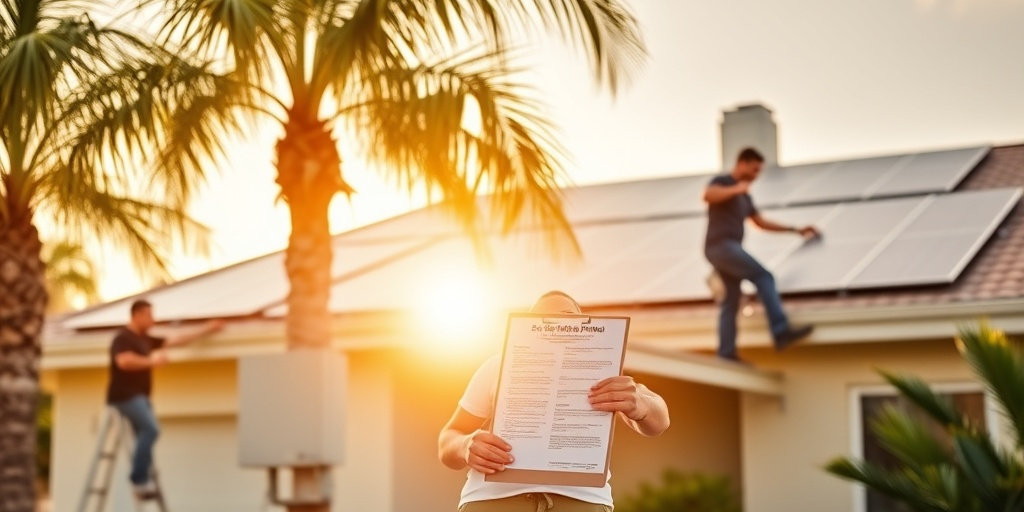
In 2025, solar energy is no longer just an eco-friendly choice; it’s a necessity for savvy homeowners and commercial property owners alike. Did you know that homeowners in Florida can save up to 65% on their energy bills by switching to solar power? Yet, many remain hesitant due to misconceptions about the costs and financing options available. Welcome to our deep dive into the “7 Critical Financing Options for Solar Panel Installation in Florida.” This article will help you navigate the evolving landscape of solar energy financing, particularly in a state that enjoys over 260 sunny days a year.
With the rising electric rates that Floridians face and the state’s new solar incentives, there’s never been a more urgent time to consider going solar. In fact, a recent report states that Florida ranks third in the U.S. for solar installed capacity, with a whopping 95,000 solar jobs created as of 2022 (SolarIndustry.org). As you explore the financing methods listed in this article, you’ll find not only how to maximize savings but also how to streamline your investment for long-term benefits.
In this comprehensive guide, we’ll cover:
- Case Study: Take a closer look at a Florida family who transformed their energy costs with solar financing.
- Checklist: A step-by-step guide to securing financing for your solar installation.
- Myth-Buster: Common misconceptions about solar financing that could hold you back.
- Local Focus: Florida-specific financing options tailored to your needs.
- Technical Deep-Dive: Understanding the technology and policies behind solar financing.
Understanding Solar Financing Through a Real Case Study
Meet the Johnsons, a family residing in Orlando, Florida, who made the leap into solar energy in early 2025. Faced with increasing electric bills that surged over $300 a month, they were looking for solutions. Their motivation was clear: reduce expenses and take control of their energy future. Initially, they were apprehensive about financing, believing that the upfront costs of solar panels would be prohibitive.
However, after thorough research and consultations, the Johnsons discovered various financing options, ranging from solar loans and leases to power purchase agreements (PPAs). They ultimately decided on a solar loan that allowed them to finance 100% of the installation cost at a competitive interest rate. They learned about the Federal Investment Tax Credit (ITC), which offered a 26% tax credit on their total installation cost, significantly lowering their financial burden.
By leveraging the financing options available in Florida, the family was able to install a 5 kW solar system. With an estimated savings of over $4,000 in electric bills over the first five years, they were thrilled. This case demonstrates how evaluating the various financing options can lead to significant long-term savings and peace of mind.
Critical Checklist for Solar Financing
Thinking about installing solar panels? Here’s a checklist that will guide you on how to secure the best financing options available.
- Step 1: Assess Your Current Energy Usage
- Review your electric bills from the past year to determine how much energy you consume. This will help estimate the size of the solar system you need.
- Step 2: Explore Your Financing Options
- Investigate various financing options such as solar loans, leases, PPAs, and cash purchases, and consider what will work best for your financial situation.
- Step 3: Check Your Credit Score
- Most financing options will require a good credit score. Ensure that your score is in a healthy range to secure the best rates.
- Step 4: Consult with a Solar Expert
- Speak to a trusted solar expert at floridaelectricandsolar.com who can guide you through the financing landscape and help you select the right option.
- Step 5: Take Advantage of Local Incentives
- Research Florida-specific programs like rebates or tax credits that can further reduce your overall investment in solar energy.
Myth-Busters: Debunking Common Misconcepts About Solar Financing
Despite the benefits, misinformation about solar financing often complicates the decision-making process. Let’s dismantle some prevalent myths:
- Myth #1: Solar Panels Are Only for the Wealthy
- Contrary to popular belief, there are financing options available for all income levels, such as flexible payment plans and solar leasing that require little to no upfront costs.
- Myth #2: You Can’t Afford Solar Without Paying Everything Upfront
- Many Florida residents are unaware of affordable financing options like solar loans and PPAs that let you install solar with low initial investments and monthly payments.
- Myth #3: Solar Financing Leads to Complex MAintenance Issues
- Proper maintenance of solar panels doesn’t have to be complicated. Most reputable installers offer ongoing support as part of financing options.
- Myth #4: Switching to Solar Will Lower Your Home’s Value
- Studies show that homes with solar panel installations often sell for more than comparable homes without them (SEIA.org).
- Myth #5: Solar Financing Is Predatory
- Authentic solar financing options are designed to be transparent and fair. It’s crucial to work with reputable companies that emphasize ethical practices.
Local Financing Options for Florida Residents
Floridians have unique opportunities when it comes to financing solar installations. With the state’s commitment to renewable energy, here are a few local programs to consider:
- Florida Power and Light (FPL) Energy Efficiency Program:
- Offers rebates for solar installations which can significantly offset upfront costs.
- Property Assessed Clean Energy (PACE):
- This financing method adds the cost of the solar system to property taxes, allowing long-term payments that can be spread over many years (DSIREUSA.org).
- Local Bank Solar Loans:
- Some local banks in Florida provide loans specifically for solar installations with competitive rates, tailored conditions, and personalized service.
- Discount Programs for Low-Income Homeowners:
- Programs aimed at lower-income families can provide substantial discounts or grants to support solar adoption, ensuring that clean energy is accessible to all.
Technical Deep-Dive: Understanding Financing Policies and Technologies
Diving deeper into the subject, solar financing is not just a matter of funding a system; it involves an understanding of the technology behind it. This includes the solar panels, inverters, and battery storage—each playing a crucial role in the overall efficacy of your energy system.
The technologies available have evolved tremendously, leading to more efficient solar solutions. According to studies, the average efficiency of residential solar panels now exceeds 20%, making them a smart choice for homeowners (NREL.gov). Here’s a closer breakdown of the components involved:
- Solar Panels: The heart of your solar system, responsible for converting sunlight into electricity.
- Inverters: Convert the direct current (DC) generated by the panels into alternating current (AC) used by your home.
- Battery Storage: Allows you to store excess energy for use during peak hours or at night.
The installation of these components requires adherence to certain regulations and policies that local authorities enforce. Understanding these processes can make navigating through financing significantly easier, ensuring a smooth transition to solar power and minimizing financial risks.
Next Steps for Florida Solar Buyers in 2025
As you march forward in your solar journey, it’s essential to develop a clear action plan. Here are some structured steps to simplify the process:
- Step 1: Audit Your Electric Bill
- This helps you gauge how much solar energy you need to offset your consumption.
- Step 2: Contact Solar Installers
- Reach out to certified experts in your area to discuss your options and receive quotes.
- Step 3: Evaluate Financial Options
- Decide whether a loan, lease, or PPA is right for you based on your financial situation and goals.
- Step 4: Review Contracts Carefully
- Understanding the terms and conditions will help avoid surprises down the line.
- Step 5: Take Action
- Finalize your decisions, find a trustworthy installer, and start reaping the benefits of solar energy!
As we wrap up this extensive guide on the “7 Critical Financing Options for Solar Panel Installation in Florida,” it becomes clear that going solar is more than just an energy choice—it’s a proactive decision to take control of your financial future. With the right knowledge and resources, Florida homeowners and commercial property owners can enjoy significant savings, reduce reliance on fossil fuels, and contribute to a greener planet.
Ready to start your solar journey in 2025? Connect with a certified expert at floridaelectricandsolar.com today.
Related Articles
More insights about Financing Options

Solar Panel Financing in Florida: Loans, Leases, and $0-Down Options for 2026

What Are the Critical Financing Options for Solar Panel Installation?

What Are the Best Financing Options for Solar in Florida
Ready to Go Solar?
Have questions about solar energy? Our experts are here to help you make the switch to clean, renewable energy.