
7 Critical Steps to Successful Solar Panel Installation
Share:
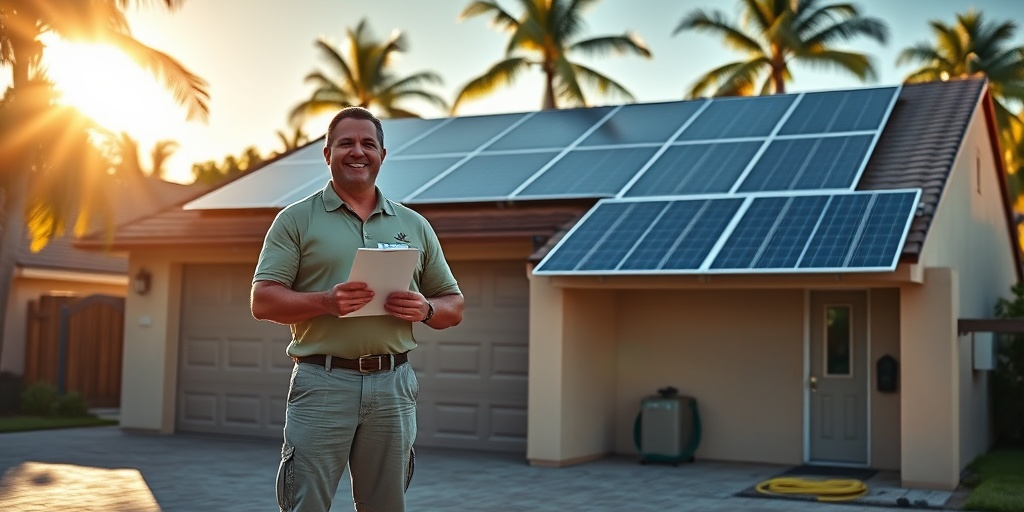
Imagine waking up one morning and realizing that your electricity bill has dropped by 50%. This isn’t just a dream for many Florida homeowners in 2025; it’s an attainable reality. As energy costs continue to surge, with Florida witnessing a staggering 15% increase in electricity rates over the past year (Energy.gov), more property owners are considering solar energy as a viable solution to combat rising expenses and mitigate the impacts of grid instability. If you’re wondering about the path to adopting this clean, renewable energy source, our guide titled 7 Critical Steps to Successful Solar Panel Installation will help you navigate the ins and outs of going solar effectively and smoothly. In 2025, understanding these steps is more crucial than ever, given both the introduction of new solar incentives and an urgent call to action for sustainability. From getting familiar with the technology to understanding installation protocols, our comprehensive checklist will arm you with the information you need to maximize your utility bill savings today!
This article will delve into five critical sections, each addressing essential components of your solar journey. We will explore a heartfelt case study of a Florida homeowner’s transition to solar, outline a clear checklist to follow during installation, debunk common myths about solar power, provide localized insights into Florida’s solar scene, and dive deep into the technical aspects of system setups. Whether you’re a homeowner or a commercial property owner, this guide is tailored to ensure you successfully integrate solar energy into your life. Let’s illuminate your solar journey!
Understanding the Journey: A Case Study of Solar Success in Florida
Meet the Johnsons, a hardworking family residing in Gainesville, Florida. Like many families, they were disillusioned by their ever-increasing electricity bills, which reached upwards of $300 per month. After doing considerable research, they decided to transition to solar energy in 2025. With a sunny disposition and a commitment to environmental sustainability, they begun their solar journey.
- Step 1: Researching Solar Options – The Johnsons spent weeks researching solar panel systems, comparing different technologies, and assessing local solar installation companies. They learned that Florida has some of the best solar incentives in the country due to its abundant sunshine. In fact, Florida was ranked 3rd in the nation for solar capacity in 2023, with over 4,500 MW installed (SEIA.org).
- Step 2: Assessing Roof Compatibility – A crucial part of their research was to assess whether their roof could support solar panels. After consulting with a certified solar installer, the Johnsons found out that their south-facing roof had perfect exposure to sunlight. This attention to detail ensured optimal efficiency.
- Step 3: Understanding Financial Implications – The family calculated how much they could save over time. Given Florida’s average payback period of 7-10 years for solar systems, the Johnsons felt confident in their investment. They found out their system was eligible for a 26% federal tax credit and significant local rebates.
- Step 4: Installation Process – Their installer arrived promptly on install day, and within hours, their lives changed forever. A total of 20 solar panels were carefully positioned on their roof, converting sunlight into usable energy.
- Step 5: Monitoring Progress – Just weeks later, they were already seeing savings; their first month’s bill dropped to just $50, and they were producing surplus energy, earning credits from their utility provider. Armed with smart monitoring technology, they had real-time data on their energy savings.
The Johnsons’ journey showcases that transitioning to solar is not just a financial consideration; it’s an investment in the future—both for their family and the planet. By 2025, more Florida homeowners are expected to follow suit, motivated by both economic benefits and environmental consciousness.
Transitioning to solar energy can feel overwhelming, especially if you’re not familiar with the steps involved. To help you, we’ve compiled this organized checklist, ensuring that Florida homeowners can navigate the process with confidence. Here are the critical steps to take:
Your Essential Solar Installation Checklist
- Step 1: Research Local Installers – Gather recommendations from friends and family. Check online reviews, and ensure your chosen provider is licensed and insured.
- Step 2: Evaluate Your Property – Assess your roof for orientation, size, and condition. A south-facing roof is ideal, but east and west-facing options can also be viable.
- Step 3: Understand Incentives – Familiarize yourself with both state and federal solar incentives. For 2025, the federal solar tax credit remains at 26%, making solar more affordable than ever!
- Step 4: Get Quotes – Request quotes from at least three installers. Pay attention to the estimated production and costs of your selected systems.
- Step 5: Review Contracts Carefully – Before signing, ensure you understand the terms of service, warranty details, and maintenance procedures.
This checklist will guide you through major milestones in your solar installation journey and help you maximize your utility bill savings today. For personalized assistance and to connect with a trusted provider, visit floridaelectricandsolar.com.
Myth-busting 101: Debunking Common Misconceptions about Solar Energy
Myth #1: Solar Panels are Too Expensive
While the initial investment can seem high, the long-term savings far outweigh the costs. With state and federal incentives, homeowners often see payback in as little as 7 years (Energy.gov).
Myth #2: Solar Energy Only Works on Sunny Days
In sunny Florida, solar panels are incredibly effective, but even on cloudy days, they can capture enough sunlight to generate power. Solar panels can also store energy generated during sunny spells for use when it’s overcast.
Myth #3: Solar Systems Require Too Much Maintenance
Most solar systems require very little maintenance. An annual inspection and cleaning are generally sufficient to ensure optimal performance. Solar panels are built to withstand harsh weather, making them a sound investment.
Myth #4: You Have to Purchase Solar Panels Upfront
Financing options, including loans, leases, and power purchase agreements (PPAs), make it feasible for homeowners to benefit from solar energy without an upfront cost.
Myth #5: You Can’t Install Solar if You’re Not a Homeowner
Many renters can benefit from Solar Renewable Energy Certificates (SRECs) or community solar programs in their areas, allowing them to partake in the benefits of solar energy without owning property.
By dispelling these myths, Florida homeowners can make a more informed decision about transitioning to solar energy in 2025. Understanding the truth ensures that you invest wisely and benefit from solar energy’s financial and environmental advantages.
Best Practices: 5 Expert Solar Installation Tips for 2025
When embarking on your solar journey, utilizing expert tips can make all the difference. To ease the installation process and optimize your savings, consider these five best practices:
- Choose Quality Components
Discovering the right systems, including panels, inverters, and batteries, is crucial. Opt for reliable brands with good warranties to enhance performance and durability. - Involve Professionals Early
Engaging certified installation professionals will save you invaluable time and ensure that your project follows local codes and regulations. - Monitor Energetics
Utilize smart technology to monitor your energy production and consumption. This will help you maximize efficiency and savings while staying engaged with your solar journey. - Enable Battery Storage
Incorporating battery storage systems provides backup power when needed and increases your independence from the grid. - Stay Updated on Legislation
Policies around solar energy are always evolving. Being informed about new laws or incentives can impact your return on investment significantly.
By following these best practices, you’ll ensure a smooth process for installation while maximizing your solar potential. Understanding and integrating these strategies can lead to a successful transition to solar energy in Florida.
The Future of Solar in Florida: What Lies Ahead
As the Johnson family reveled in their newfound solar-powered lifestyle, they had no idea how transformative this decision had been for their lives. They not only reduced their carbon footprint significantly, but they also contributed to their community’s embrace of sustainable energy. By 2025, predictions suggest that over 1 million homes in Florida will have adopted solar energy, significantly reshaping local energy dynamics (NREL.gov).
- Green Jobs Growth: The rise of solar installations will spur job creation within the renewable energy sector.
- Lower Energy Costs: As more homeowners go solar, the collective demand will shift energy prices favorably.
- Technological Advancements: Innovative solar technologies will continuously emerge, improving efficiency and effectiveness.
- Community Initiatives: More states are incentivizing communities to adopt solar solutions, spreading the benefits to a wider population.
These potential outcomes highlight the significance of individual decisions to adopt solar technology. It’s not merely about personal savings; it’s about fostering a more sustainable future for all Floridians.
Next Steps for Florida Solar Buyers in 2025
As you prepare to embark on your solar journey, here’s a concise action plan to guide you towards successful solar panel installation:
- Step 1: Audit Your Electric Bill
Review your past year’s utility bills. This will give you a clearer picture of how much energy you consume and where adjustments may be made. - Step 2: Identify Potential Installation Sites
Determine the best locations for solar panels on your property. Consider roof orientations as well as shades from nearby trees or buildings. - Step 3: Research Comprehensive Waivers
Utilize state programs that provide tax credits or rebates for solar installations. These can significantly reduce overall costs. - Step 4: Consult with Reputable Installers
Contact several certified solar installation professionals. This will help you compare quotes and services before making a decision. - Step 5: Commit to Sustainable Practices
Beyond installation, think about how you can maintain a sustainable lifestyle—incorporating energy-efficient appliances and reducing waste.
Each step is essential as you assume control over your energy needs, reduce frustration, and unlock savings. To kickstart this incredible transition, connect with professional services at floridaelectricandsolar.com today!
In Conclusion: Taking Charge of Your Energy Future
By diligently following the seven critical steps to successful solar panel installation, you not only illuminate your life with renewable energy but also contribute to a more sustainable world. You’ve learned how the Johnson family took their leap of faith into solar energy, debunked common misconceptions, explored best practices for installation, and made planful steps needed to embark on your own solar journey.
Why does this decision matter? With rising energy costs and a global call for sustainable practices, switching to solar energy has never been more urgent. It’s not just a cost-cutting measure; it’s a legacy for future generations, a safety net against fluctuating energy prices, and a choice to own your power.
Ready to start your solar journey in 2025? Connect with a certified expert at floridaelectricandsolar.com today.
Related Articles
More insights about Solar Panel

Florida Homeowners: Why Solar Panel Maintenance Is Essential

7 Essential Steps for Solar Panel Installation Success

Expert Insights: Key Factors Influencing Solar Panel Lifespan
Ready to Go Solar?
Have questions about solar energy? Our experts are here to help you make the switch to clean, renewable energy.