
7 Essential Steps to Ensure Successful Solar Panel Installation
Share:
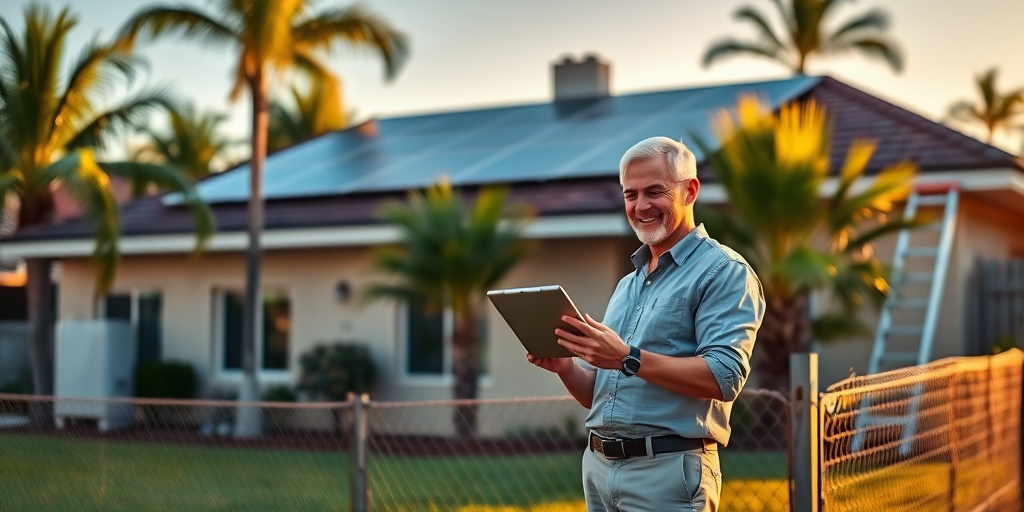
Imagine waking up to a sunlit morning in Florida, your home powered by clean, renewable energy while you save money on utility bills. It’s not just a dream; it’s a reality that is becoming increasingly accessible for homeowners across the state. In fact, according to the Solar Energy Industries Association (SEIA), Florida ranks third in the nation for solar capacity, with enough solar power to power over 2 million homes (SEIA.org). Furthermore, a recent report shows that solar costs have decreased by 70% over the last decade, making it a financially savvy decision for 2025 (Energy.gov). With trends pointing toward ever-rising utility rates and exciting new solar incentives rolling out, there’s no better time to consider going solar.
This brings us to today’s essential topic: 7 Essential Steps to Ensure Successful Solar Panel Installation. The path to solar energy involves careful planning and execution; our guide will equip you with the knowledge to start this important journey. In this post, we will look closely at a checklist that covers everything from assessing your energy needs to choosing the right installation company. We’ll debunk common myths that may be holding you back, explore Florida-specific factors that influence your decision, present best practices for installation, and provide clear next steps to ensure a seamless transition to solar power.
The urgency to switch to solar energy in 2025 cannot be overstated. With electric bills climbing and the climate crisis at our doorstep, it’s essential for homeowners and property owners to invest in renewable energy solutions that not only promise savings but also contribute to a sustainable future. Ready to understand the roadmap to solar success? Let’s delve into each section that will guide you through:
- Success Stories: Real-life Installations and Key Takeaways
- Step-by-Step Solar Checklist for Homeowners
- Myth-Busting Common Misconceptions
- Unique Considerations for Florida Solar Buyers
- Technical Aspects of Solar Panel Systems
Unlock Success: Real-Life Installations and Key Takeaways
Meet the Johnsons, a friendly family residing in Orlando, who took the plunge into solar energy two years ago. Faced with soaring electric bills that reached over $300 monthly, they sought alternatives and stumbled upon solar. After researching the options, they engaged a reputable solar company and guided their transition almost seamlessly.
This move was not just nominal; by installing a solar panel system featuring 30 panels, they now produce roughly 85% of their electrical needs through solar energy, resulting in an average monthly electric bill of just $50. They were not only empowered to save money but also contribute positively to the environment.
What can we learn from the Johnsons’ experience? Here’s a straightforward checklist of actionable steps to ensure a successful installation:
- Step 1: Assess your energy consumption. Gather your utility bills from the past year to evaluate how much energy you use and when.
- Step 2: Research reputable solar providers. Check online reviews, request quotes, and ask for references to ensure you find a trustworthy partner.
- Step 3: Review your roof’s condition. Older roofs may require repairs before installing solar panels, while roofs facing south are typically the best candidates for solar energy.
- Step 4: Understand financing options. There are various financing solutions available, including purchase, lease, or power purchase agreements (PPAs).
- Step 5: Ensure all necessary permits are in order. Work with your chosen solar installer to understand local regulations and obtain permits.
Remember, each step contributes to a successful solar panel installation and sets the foundation for future savings. For the Johnsons, due diligence paid off greatly, and they now enjoy not only financial relief but also peace of mind knowing they’re doing their part to foster sustainability.
Nevertheless, not everyone may view solar energy through that same lens. Let’s take a moment to address some widespread myths that could be steering homeowners away from solar power.
Common Myths About Solar Panel Installations
Despite the clear benefits of solar energy, misconceptions can create hesitancy. Here, we’ll dismantle some of the most common myths surrounding solar energy installations:
- Myth #1: Solar panels are too expensive.
Contrary to popular belief, the cost of solar panels has plummeted over the years (42% from 2014 to 2022 according to the International Renewable Energy Agency). Additionally, various tax credits and rebates make solar systems even more affordable. - Myth #2: Solar panels don’t work in cloudy weather.
It’s a common misconception that solar panels require bright sunlight to operate effectively. In fact, solar panels can still generate substantial energy from diffuse light, meaning even in less sunny conditions, they’re effective. - Myth #3: Solar installations require large upfront payments.
While some homeowners opt to purchase systems outright, there are numerous financing options available, like leasing or PPAs that reduce or eliminate upfront costs.
With these prevalent misunderstandings addressed, homeowners should feel more empowered to investigate solar energy as a viable option. Now, let’s delve right into Florida-specific considerations for successful solar panel installations.
Florida-Specific Considerations for Solar Installations
For Floridians, local policies and environmental factors play crucial roles in solar energy decisions. Understanding these can help in better decision-making for your solar journey.
- Net Metering: Florida’s net metering policies allow homeowners to sell excess energy produced back to the grid, essentially giving you credit that can be used on cloudy days when you aren’t generating as much energy (DSIREUSA.org).
- State Tax Incentives: Florida presently offers a property tax exclusion for solar energy systems; this means your solar panels won’t increase your property taxes (SEIA.org).
- Sunshine State Advantage: In Florida, solar installations are beneficial due to the state’s geographical advantage of ample sunlight, providing up to 300 sunny days per year—an ideal condition for solar energy generation.
By incorporating these aspects into your solar strategy, you can maximize the benefits of solar energy and create a powerful foundation for sustainability and savings. Now, let’s proceed to the technical side of solar energy systems.
Technical Aspects of Solar Panel Systems
To reap the full advantages of solar, it is critical to understand the underlying technology that powers these systems. Let’s break down the three core components of a solar power system.
- Solar Panels: The primary engines of solar energy, solar panels convert sunlight into electricity. Most residential systems use either monocrystalline or polycrystalline panels, with the former being more efficient and often preferred for limited roof space.
- Inverters: These devices transform direct current (DC) generated by solar panels into alternating current (AC), which is what powers your home. Options include string inverters, microinverters, and power optimizers, each with their pros and cons.
- Battery Storage: Batteries enable homeowners to store excess electricity generated during the day for use later. With Florida’s frequent storms, having battery storage can be critical in maintaining power during outages.
As this technical deep dive illustrates, understanding the components of your solar system can lead to informed decisions during installation and help you realize the full savings potential of solar power. If you’re interested in exploring specific brands and options, check out floridaelectricandsolar.com for more information.
Next Steps for Florida Solar Buyers in 2025
Now, what can a Florida homeowner do to step decisively into the world of solar? Here’s a straightforward action plan that can facilitate your journey:
- Step 1: Audit Your Electric Bill.
Understand your average monthly costs and fluctuations to set realistic solar goals. - Step 2: Investigate Solar Providers.
Using online platforms, start researching local providers. Make a list of questions to ask during consultations. - Step 3: Evaluate Your Roof.
Check for repairs or maintenance needs before installation ensures a seamless solar setup. - Step 4: Apply for Incentives.
Gather necessary documentation to take advantage of available tax credits and rebates—knowledge is power here! - Step 5: Plan Your Installation Schedule.
Determine when you want to install based on finances and personal readiness, factoring in permitting timelines.
This easy-to-follow checklist should ease any anxieties associated with committing to solar power. Don’t let indecision paralyze you; the sooner you move, the sooner you’ll enjoy energy savings and environmental benefits.
Wrapping It Up
The journey toward solar energy is both an exciting and essential endeavor as we enter 2025. From the Johnson family’s inspiring story to practical steps and considerations laid out, we’ve seen how going solar can be a game-changer for Florida homeowners. The urgency to go solar is more pressing than ever, given rising utility costs, favorable policies, and the need for sustainability.
If this article has inspired you, remember this: making the transition to solar isn’t just about enjoying financial savings—it’s about empowering yourself and your community through conscious energy choices. Today, more than ever, those choices can make a significant impact. If you’re ready to start your solar journey in 2025, connect with a certified expert at floridaelectricandsolar.com today.
Related Articles
More insights about Solar Panel

Florida Homeowners: Why Solar Panel Maintenance Is Essential

7 Essential Steps for Solar Panel Installation Success

Expert Insights: Key Factors Influencing Solar Panel Lifespan
Ready to Go Solar?
Have questions about solar energy? Our experts are here to help you make the switch to clean, renewable energy.