
7 Essential Steps for Solar Panel Maintenance in Florida
Share:
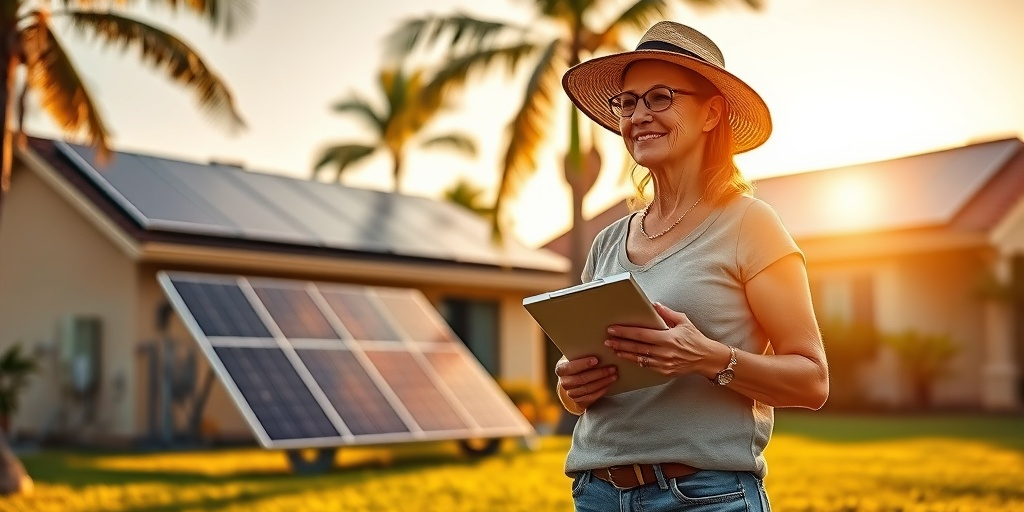
Did you know that over 700,000 homes in Florida harness the sun’s energy through solar panels as of 2023? With each passing year, the advantages of solar energy continue to become more compelling. Not only does it help homeowners significantly cut energy bills, but it also contributes to a greener planet. In 2025, as traditional energy costs spiral upwards and environmental concerns deepen, understanding how to maintain your solar system will be crucial. That’s why we’re here to guide you through “7 Essential Steps for Solar Panel Maintenance in Florida”. Proper maintenance is the key to unlocking long-term efficiency and reliability in your solar energy investment. According to recent data, well-maintained systems can yield energy for over 30 years with optimal performance (SEIA.org). However, factors specific to Florida—from hurricanes to humidity—can challenge this longevity without regular care. In this post, we’ll take you through the essential steps for maintaining your solar panels, helping you maximize your investment and power savings. Buckle up as we delve into the details of these seven crucial steps, ensuring your solar panels shine boldly in the Florida sun!
Understanding Solar Panel Maintenance: Why It Matters
Solar panels are a significant investment for Florida homeowners, which is why understanding the essential components of maintenance is paramount. A case study illustrates this notion perfectly: consider the Jones family from Orlando. After installing their solar panels in early 2022, they enjoyed substantial power savings, transforming their energy bills. Yet, they soon noticed a decrease in efficiency after neglecting routine maintenance. Once they began investing time in upkeep—clearing debris and scheduling professional inspections—they saw their system’s performance bounce back remarkably. The Jones family learned the hard way that regular maintenance not only enhances energy output but extends the life of their solar system.
To ensure you’re on the right path, here’s a checklist of steps to maintain your solar panels effectively:
- Step 1: Regularly clean your panels to remove dust and dirt.
- Step 2: Conduct visual inspections for physical damage.
- Step 3: Monitor system performance and energy production.
- Step 4: Schedule professional maintenance annually.
- Step 5: Be aware of weather impacts in Florida.
As the saying goes, “an ounce of prevention is worth a pound of cure.” Understanding and adhering to these maintenance tips can preserve your investment while ensuring your system operates at peak efficiency.
Step 1: Cleaning Your Solar Panels
One of the simplest yet most critical steps for solar panel maintenance is regular cleaning. Accumulations of dust, dirt, pollen, or bird droppings can reduce the efficiency of your solar panels by blocking sunlight. In a sunny state like Florida, where sunlight is abundant, keeping your panels clean amplifies their energy conversion abilities.
- Frequency: Aim to clean your solar panels at least twice a year. Consider the frequency if you live near ocean fronts where salt and sand can gather.
- Method: Use a soft brush or a non-abrasive sponge with soapy water to gently clean the surface. Avoid harsh chemicals that can damage the panels.
- Water Quality: Use distilled water if possible. This will help prevent mineral build-up that can occur with tap water.
Additionally, automated cleaning systems are available—though they come with a higher upfront cost, they offer a hassle-free cleaning experience.
Step 2: Visual Inspections for Damage
Regular visual inspections act as your first defense against problems that could derail your solar energy savings. Florida’s flora and fauna expose solar panels to potential damage from storms or wildlife. Checking for noticeable cracks, loose wiring, or debris buildup should be part of your routine.
- Physical Obstructions: Inspect for leaves or debris that may block sunlight.
- Physical Damage: Look for cracks, chips, or broken glass that could impede functionality.
- Electrical Issues: Ensure that connectors, wires, and junction boxes are secure.
Documenting your findings can help identify recurring issues and direct professionals toward specific areas of concern during yearly check-ups.
Step 3: Monitoring System Performance
Monitoring your solar system’s performance can empower you to assess its efficiency continually. Utilizing an integrated monitoring system gives you insight into energy production, usage, and potential issues. With several apps available, keeping track of your panels’ performance has never been easier.
- Performance Metrics: Evaluate the total energy generated compared to the predicted output. If your production dips unexpectedly, it may be time for a detailed inspection.
- Warning Indicators: Be vigilant about notifications or alerts that indicate failures or performance issues in your solar inverter.
- Comparison: Compare your energy production during different seasons to identify anomalies or setbacks.
Tracking these metrics not only keeps you informed but also reinforces your understanding of your energy independence journey.
Step 4: Scheduling Professional Annual Maintenance
While DIY maintenance is essential, nothing compares to the thorough check-up and expertise offered by professional technicians. They can assess your solar panels’ efficiency while diagnosing potential issues you may overlook. According to a recent poll, homes receiving annual professional evaluations save an average of 15% more energy than those conducted by owners alone (Energy.gov).
- Find a Reliable Contractor: Look for organizations with local expertise. They possess knowledge about Florida-specific regulations and environmental conditions.
- Inspection Services: Ask what their inspection services cover, including electrical connections, frame integrity, and panel efficiency testing.
- Record Keeping: Keep a routine maintenance record. This documentation can significantly add to your home value should you decide to sell.
Hence, scheduling an annual professional inspection is more than a recommendation—it’s an investment in safeguarding your solar assets.
Step 5: Weather Preparedness
Weather conditions in Florida can be extreme, with the hurricane season causing real concern for solar panel maintenance. Your preparedness can define the resilience of your solar system. Taking steps to mitigate storm damage and visibility issues during severe weather should be top of mind.
- Secure Mounting: Ensure that your solar panels are installed securely, meeting local wind-zone standards.
- Drainage: Regularly check gutters and downspouts to ensure optimal drainage to avoid roof leaks that can damage your solar system.
- Insurance Coverage: Verify your homeowners’ insurance includes coverage for solar panels—this can save you immense costs due to storm damage.
Taking these proactive approaches can safeguard your solar system from any detrimental impact storms may cause, allowing you peace of mind.
Understanding the Misconceptions of Solar Maintenance
As we dive deeper into the realm of solar maintenance, it’s crucial to address common misconceptions that can lead homeowners astray. Let’s debunk some of these myths:
- Myth #1: Solar panels can never need maintenance. While solar panels are relatively low-maintenance, they still require periodic care. All systems eventually succumb to wear and tear, demanding vigilance.
- Myth #2: If my panels are not broken, they don’t need inspection. Regular inspections are essential—subtle damages can accumulate into major issues unnoticed.
- Myth #3: All weather conditions can harm my solar system. While protection is necessary, modern panels are designed to withstand a variety of conditions. However, severe weather, especially hurricanes, can lead to problems if proper care isn’t taken.
- Myth #4: Cleaning doesn’t require professional help. While many homeowners can maintain cleanliness, persistent contamination or physical damage may require professional assistance for effective results.
- Myth #5: Once installed, solar panels are set for life. Wrong! To ensure longevity, continuous maintenance is crucial.
Raising awareness around these misconceptions emphasizes the necessity of engagement in the maintenance journey of your solar power system, setting realistic expectations and fostering proactive behaviors.
Next Steps for Florida Solar Buyers in 2025
Now that we’ve covered the essential steps for maintaining your solar system, it’s time to implement this knowledge effectively. Here’s a practical checklist for Florida solar shoppers:
- Step 1: Audit Your Electric Bill
- Step 2: Research Qualified Solar Providers
- Step 3: Obtain Multiple Quotes
- Step 4: Understand Financing Options
- Step 5: Schedule a Site Visit for Assessment
Taking these steps will reduce friction and smooth your transition. To learn more about optimizing your solar experience, visit floridaelectricandsolar.com.
Conclusion: Your Solar Journey Awaits
Maintaining your solar panels is not just about protecting an investment; it’s about securing a greener, more sustainable future for yourself and your community. Throughout this guide, we have discussed seven essential maintenance steps for ensuring the longevity and effectiveness of your solar power system. Regular cleanings, thorough inspections, annual professional maintenance, and weather preparedness are all critical to successfully harnessing solar energy in Florida.
Moreover, debunking common myths surrounding maintenance strengthens your resolve to stay proactive and informed. With rising energy costs, you have the chance to take control of your usage and expenses while contributing to environmental change. Remember the Jones family, whose system thrived after investing time in care. Their journey is a testament to how essential maintenance can lead to a sustainable and financially savvy future.
Ready to start your solar journey in 2025? Connect with a certified expert at floridaelectricandsolar.com today.
Related Articles
More insights about Solar Panel

Florida Homeowners: Why Solar Panel Maintenance Is Essential

7 Essential Steps for Solar Panel Installation Success

Expert Insights: Key Factors Influencing Solar Panel Lifespan
Ready to Go Solar?
Have questions about solar energy? Our experts are here to help you make the switch to clean, renewable energy.