
7 Essential Tips for Solar Panel Maintenance
Share:
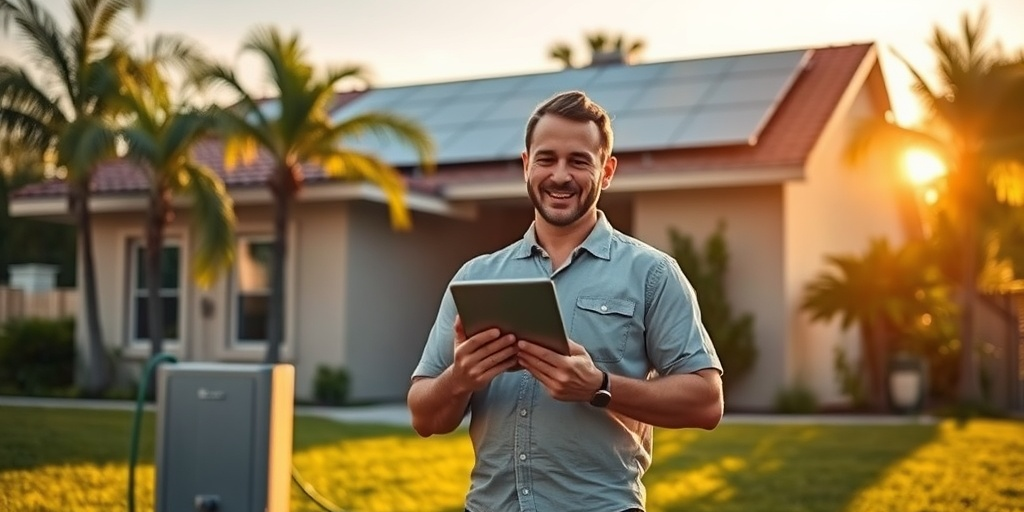
Did you know that solar panels can lose up to 25% of their efficiency due to a lack of maintenance? Many Florida homeowners have taken the plunge into renewable energy, hoping to reduce electric bills while contributing to a cleaner environment. However, without proper care, those shiny panels on your roof could become less efficient than you expect. In fact, a study by the National Renewable Energy Laboratory found that solar installations see a significant drop in energy production over time if not properly maintained (NREL.gov). This brings us to the topic at hand: 7 Essential Tips for Solar Panel Maintenance. Understanding these tips is crucial especially in 2025, as energy costs continue to rise and the need for reliable, renewable solutions becomes increasingly urgent. In this article, we will dive into essential maintenance practices that help maximize your solar panel lifespan, share real-life examples from Florida homeowners, bust common myths surrounding solar upkeep, and provide actionable steps that you can take today to boost your solar investment. Let’s get started!
Understand What Solar Panels Are and How They Work for Florida Homeowners
Florida residents often enjoy abundant sunshine, a prime condition for maximizing solar energy production. Yet, many homeowners are unaware that even the best solar panels need attention to keep them operating at optimal levels. Let’s delve deeper into how solar panels function, and why that maintenance is key.
Imagine the Jones family, who opted for solar energy last year and have been thrilled with the savings, only to notice their system’s performance has dipped in recent months. After reaching out to a local installer, they discovered that routine maintenance was all they needed to ensure their investment continued paying off. This could be you; understanding the components and regular upkeep of your solar energy system can save money and enhance performance.
- Solar Panels: Photovoltaic (PV) panels turn sunlight into electricity. When they are clean and unobstructed, they perform optimally.
- Inverter: This component converts the DC electricity produced by the panels into AC electricity for your home.
- Battery Storage: Many homeowners are integrating batteries to store excess energy, which also has specific maintenance needs.
Checklist of Essential Actions
To ensure your solar investment continues to deliver the maximum benefit, follow this checklist of essential maintenance actions throughout the year:
- Step 1: Regularly Inspect Your Panels – At least twice a year, climb up to visually inspect your solar panels. Look for signs of wear and dirt accumulation. If you notice debris or shading, this could hinder energy production.
- Step 2: Clean Your Panels – Depending on local weather conditions, panel cleaning can be more frequent. Use a soft brush and a hose to gently remove dirt and grime, or engage a professional cleaning service.
- Step 3: Check Your Inverter’s Performance – Your inverter should have a green light indicating it’s working properly. If it’s red or off, it may require an inspection.
- Step 4: Monitor Energy Production – Keep an eye on your energy production data using your solar energy system’s monitoring app. Notice any unusual dips, as these could indicate maintenance needs.
- Step 5: Schedule Professional Inspections – At least once a year, it’s wise to have a professional check your entire solar system to ensure optimal functionality. This is especially true for Florida homes where the humid climate can impact performance.
By incorporating these steps, the Jones family did not only restore their system’s output but also increased its longevity, ultimately saving on energy costs (FloridaElectricAndSolar.com).
Common Myths About Solar Panel Maintenance
Busting myths can help homeowners make informed decisions about their solar energy systems. Here are five common misconceptions:
- Myth #1: Solar Panels Don’t Require Maintenance – While solar panels are low-maintenance compared to other systems, they still require regular checks and cleaning to ensure full efficiency.
- Myth #2: Rain Cleans the Panels Automatically – While rain can wash away some dust, it’s not enough to clear grime or bird droppings, which can significantly affect efficiency.
- Myth #3: If Panels Produce Energy, There’s No Need to Inspect – Production doesn’t equate to performance. Inefficient panels can still generate power but at much lower efficiency, costing you in the long run.
- Myth #4: All Solar Equipment has the Same Lifespan – Not all equipment is created equal. Regular maintenance can prolong both panel and inverter life, reducing the overall cost of ownership.
- Myth #5: Warranty Covers All Repairs – Warranties typically don’t cover maintenance. Regular upkeep helps avoid situations that could void your warranty.
By debunking these myths, we can understand the true value of maintaining a solar power system. The average inverter lasts 5-10 years, while panels can last over 25 years (Energy.gov). Understanding these timelines is essential for planning your maintenance strategy.
Local Focus: Sunshine State Specific Tips
Florida homeowners should be particularly proactive about their solar maintenance due to the state’s unique climate. Here are some tips tailored to maintain your solar energy systems effectively:
- Inspect After Storms: Florida’s storms can lead to debris accumulation. Post-storm inspections should be standard practice to ensure no damage has occurred or essential components are blocked.
- Humidity Considerations: The humid climate can lead to mold and mildew. Regular cleaning helps fight this issue and keeps your panels performing optimally.
- Local Incentives: Research local government rebates for maintenance services—many times, these can significantly reduce costs (DSIREUSA.org).
- Community Resources: Join local groups that promote solar usage—these can provide excellent tips and share experiences pertinent to Florida’s climate.
Utilizing these tips not only enhances your maintenance efforts but also strengthens the community’s commitment to renewable energy throughout the state.
Understanding Solar Technical Requirements
To fully appreciate your solar system, understanding the technical aspects of solar technology is crucial. This deep dive will furnish you with insights into how to manage your system effectively.
- Batteries: For those using battery storage, regular checks for charge cycles and overall performance are vital. Batteries last between 10-15 years, but diligence can extend their lifespan.
- Inverter Maintenance: The inverter is the heart of your system. Regular diagnostics and firmware updates are essential for optimizing performance.
- Billing Structure: Familiarize yourself with net metering options available in Florida; this can affect decisions on when to use energy versus feed it back into the grid.
By understanding the technical requirements, you’ll become a more informed homeowner. Knowledge about your panels can empower you to make proactive maintenance decisions that align with your energy goals.
Next Steps for Florida Solar Buyers in 2025
As we approach 2025, the urgency for going solar intensifies. Here’s a detailed checklist of actionable next steps specific to your solar journey:
- Step 1: Audit Your Electric Bill – Before switching to solar, analyze your energy usage to determine how much you can save.
- Step 2: Get Multiple Quotes – Contact at least three solar companies for quotes and comparisons to ensure you pick the best offer that suits your needs.
- Step 3: Research Local Solar Incentives – Look into state-specific incentives that can help further lower costs, such as tax credits or rebates (FLDP.org).
- Step 4: Focus on Quality Installations – Always ensure your system is installed by certified professionals to extend its lifespan and efficiency.
- Step 5: Commit to Ongoing Maintenance – Plan regular inspections and maintenance to ensure continued energy production and efficiency.
Following these steps will set you on a clear path towards solar energy independence.
In summary, your solar panels are an investment worth protecting. Regular maintenance not only ensures they operate at full capacity but maximizes your overall savings and supports a sustainable future for Florida. Your decision to maintain your solar energy system can lead to better efficiency and satisfaction, allowing you to own your energy confidently.
Ready to start your solar journey in 2025? Connect with a certified expert at floridaelectricandsolar.com today.
Related Articles
More insights about Solar Panel

Florida Homeowners: Why Solar Panel Maintenance Is Essential

7 Essential Steps for Solar Panel Installation Success

Expert Insights: Key Factors Influencing Solar Panel Lifespan
Ready to Go Solar?
Have questions about solar energy? Our experts are here to help you make the switch to clean, renewable energy.