
7 Essential Tips for Understanding Solar Panel Installation
Share:
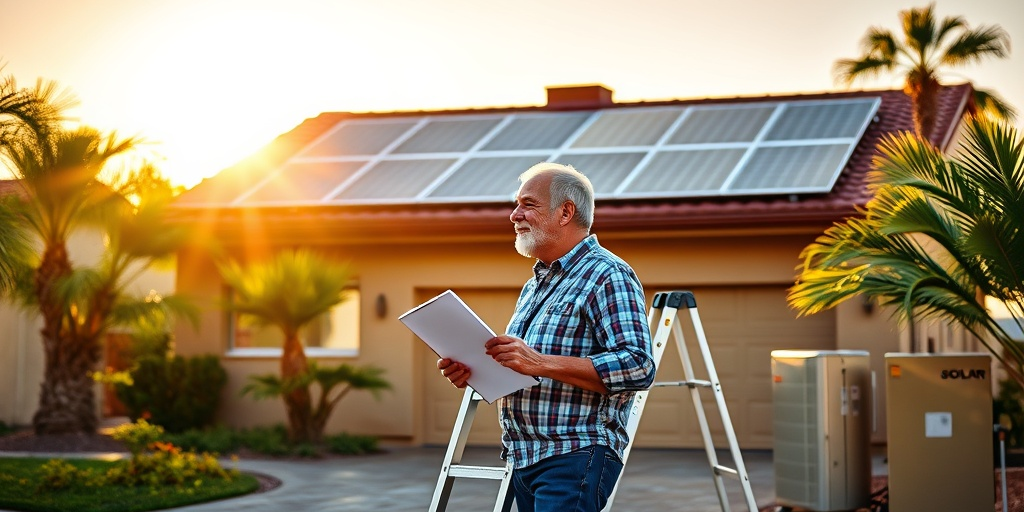
In 2025, the solar energy landscape is rapidly evolving, making it imperative to understand the intricacies of solar panel installation. Did you know that the average residential solar installation can save Florida homeowners upwards of $20,000 over 20 years? Or that the state is currently ranked second in the United States for solar capacity? As more Floridians turn to solar to combat rising energy costs and take advantage of increasing incentives, having a comprehensive grasp on the installation process becomes essential. This is where our guide titled “7 Essential Tips for Understanding Solar Panel Installation” comes into play. By demystifying the installation process and providing actionable insights, we aim to empower homeowners and commercial property owners alike to embark on their solar journey confidently. In this article, we will explore five pivotal sections, covering a compelling case study, a straightforward checklist, myth-busting facts, local considerations, and an in-depth technical overview that will enhance your understanding of solar panel installation.
Understanding the Solar Installation Process: A Comprehensive Case Study
Meet Sarah and Tom, a young couple living in Fort Myers, Florida, who decided to take control of their energy bills and chase their dream of going solar. Prompted by their soaring electricity bills that reached nearly $300 in summer months and a strong desire to reduce their carbon footprint, they embarked on the journey of solar panel installation. Unbeknownst to them, the journey involved multiple steps that can easily bewilder new solar adopters. Armed with our checklist, they navigated the installation process and made savvy decisions along the way. Here’s how they succeeded.
- Research local solar companies: Sarah and Tom began their journey by researching reputable solar providers in their area. They read reviews and compared quotes to ensure they found the right fit for their needs.
- Schedule a site assessment: The couple scheduled a site assessment with their chosen provider, which is crucial to evaluating their home’s solar potential. This assessment determined the ideal placement for the panels based on roof orientation and shading.
- Review financing options: As they learned about financing opportunities, they found that Florida offers several incentives, such as the Federal Investment Tax Credit (ITC), which allows for a 26% tax credit on system installation costs (SEIA.org).
- Understand the permitting process: Tom discovered that obtaining permits and approvals was essential to ensure compliance with local regulations. Thankfully, their solar provider handled this, reducing the headache.
- Installation and connection to the grid: The final installation took just a few days, and once completed, their solar system was connected to the grid, allowing them to start reaping the benefits of solar energy immediately.
By following each step meticulously, Sarah and Tom not only maximized their potential for savings but also gained a newfound understanding of solar technology. According to the Florida Solar Energy Center, Florida has experienced a remarkable 58% increase in residential solar installations since just 2020. This statistic highlights the urgency for homeowners to act quickly, as incentives continue to evolve in a favorable direction. It also showcases that more people than ever are learning the ropes of solar power installation, and you can, too.
Essential Solar Installation Checklist for Florida Homeowners
Transforming your home to embrace solar energy is exciting, but where do you begin? Here’s a straightforward checklist to guide you through the essential steps for successful solar panel installation:
- Step 1: Audit your energy consumption: Review your electric bills for the past year to determine your average monthly energy usage. This gives you a baseline to size your solar system appropriately.
- Step 2: Research solar contractors: Choose a few contractors based on reviews, past projects, and certifications. Make sure they have experience with local installations and offer warranties on their work.
- Step 3: Evaluate financing options: Make sure to explore various financing mechanisms, including cash purchases, loans, and leases. Utilize available state and federal incentives to minimize your initial investment.
- Step 4: Schedule a consultation and site assessment: Work with your chosen contractor to perform a comprehensive site evaluation, ensuring the design aligns with your energy goals.
- Step 5: Understand your contract: Carefully review all documents before signing and ensure that all costs, services, and warranties are transparent.
Understanding and following these steps can pave the way toward a smooth installation process. As reported by the Solar Energy Industries Association (SEIA), Florida is home to over 3.5 million residential rooftops suitable for solar energy systems. This means you’re not just joining a growing community, but also making a smart long-term investment.
Debunking Common Myths Surrounding Solar Panel Installation
With any technology, numerous myths can cloud the truth. It’s essential to clear these misconceptions to make informed decisions. Here are some common myths surrounding solar panel installation, along with the facts to counter them:
- Myth #1: Solar panels only work effectively in sunny areas: While Florida’s sunny climate is ideal, solar panels can generate energy even on cloudy days. They harness UV rays, not visible light, to produce electricity.
- Myth #2: Going solar is too expensive: Although the initial costs can seem high, incentives and financing options significantly reduce the upfront investment. Additionally, homeowners can save significantly on energy bills over time.
- Myth #3: Solar panels require too much maintenance: Once installed, solar systems are relatively low maintenance. Regular cleaning and occasional inspections are usually sufficient to keep them operating optimally.
These myths persist, but by staying informed, you can confidently traverse the solar landscape. According to the U.S. Department of Energy, over 70% of homeowners misunderstand solar technology benefits. This statistic underscores the importance of education as you consider your solar options in Florida.
The Local Landscape: Florida’s Solar Opportunities and Policies
Florida’s solar market is thriving with new developments shaping how residents go solar. For property owners in the Sunshine State, understanding the local landscape of policies and incentives can significantly influence your solar investment. Here are some notable local insights:
- Net Metering Policies: Florida offers net metering, which allows homeowners to receive credits for surplus energy they generate and send back to the grid. This provides a direct financial benefit to solar customers and can lead to substantial savings on future energy bills (Energy.gov).
- Property Tax Exemptions: Homeowners can take advantage of property tax exemptions on solar energy systems, meaning the added value of solar panels won’t increase your property taxes.
- State and Federal Tax Credits: The 26% Federal Investment Tax Credit (ITC) will decrease to 22% in 2023, making 2025 a significant year to act. This credit applies directly to your tax bill and is a straightforward way to reduce installation costs.
As you navigate your solar journey, these policies contribute not merely to financial savings but support Florida’s larger clean energy initiatives. According to the Florida Public Service Commission, the state aims for 3 GW of solar energy by 2030—an ambitious goal emphasizing solar’s role in the state’s energy future.
Technical Deep-Dive: Understanding Your Solar Energy System
Diving into the technical aspects of solar panel installation can be daunting, but it’s essential to grasp how your system works. Here’s a comprehensive breakdown of the key components:
- Solar Panels: These panels convert sunlight into electricity. Various types of panels, including monocrystalline and polycrystalline, differ in efficiency and cost.
- Inverters: Inverters are critical as they convert the direct current (DC) electricity produced by solar panels into alternating current (AC), which powers your home. Choosing a quality inverter maximizes energy efficiency and system longevity.
- Batteries: For off-grid or hybrid systems, batteries store energy for use when production is low or demand is high. Understanding your battery options can enhance energy independence.
By comprehending these elements, homeowners can make informed choices during the installation process, ensuring they optimize their systems for maximum efficiency. Industry data predicts that battery storage for home use will grow over 100% annually in the coming years (SolarReviews.com), showcasing the expanding role of battery systems in solar investments.
Next Steps for Florida Solar Buyers in 2025
As the promise of solar living draws closer, it’s vital to establish an actionable plan. Here’s a clear list of next steps for those ready to take the plunge:
- Step 1: Audit Your Electric Bill: Begin by reviewing your electric bills to establish a baseline of your energy consumption and identify patterns.
- Step 2: Research Solar Providers: Vet contractors thoroughly to find reputable professionals, comparing quotes and services.
- Step 3: Schedule a Consultation: Engage with multiple providers to obtain site assessments and tailored quotes that reflect your goals.
- Step 4: Decide on Financing: Explore financing options that suit your budget, focusing on long-term savings.
- Step 5: Complete Your Installation: Finalize your project, and enjoy the myriad benefits of your new solar system!
By following these steps, you will be well on your way to achieving energy independence. The potential savings on your utility bills coupled with the environmental benefits make solar an intelligent choice for Florida homeowners. Ensure you take action quickly, as the available solar incentives are subject to change, and every day without solar is a missed opportunity.
In closing, the journey to understanding solar panel installation is unique to each homeowner, but with the right tools and information, this transition can be seamless. The prospects of saving money and reducing your environmental impact resonate strongly as we approach 2025. So why wait? Embrace the sun’s benefits, and take control of your energy future. Ready to start your solar journey in 2025? Connect with a certified expert at floridaelectricandsolar.com today.
Related Articles
More insights about Solar Panel

Florida Homeowners: Why Solar Panel Maintenance Is Essential

7 Essential Steps for Solar Panel Installation Success

Expert Insights: Key Factors Influencing Solar Panel Lifespan
Ready to Go Solar?
Have questions about solar energy? Our experts are here to help you make the switch to clean, renewable energy.