
7 Essential Financing Options for Solar Panel Installation
Share:
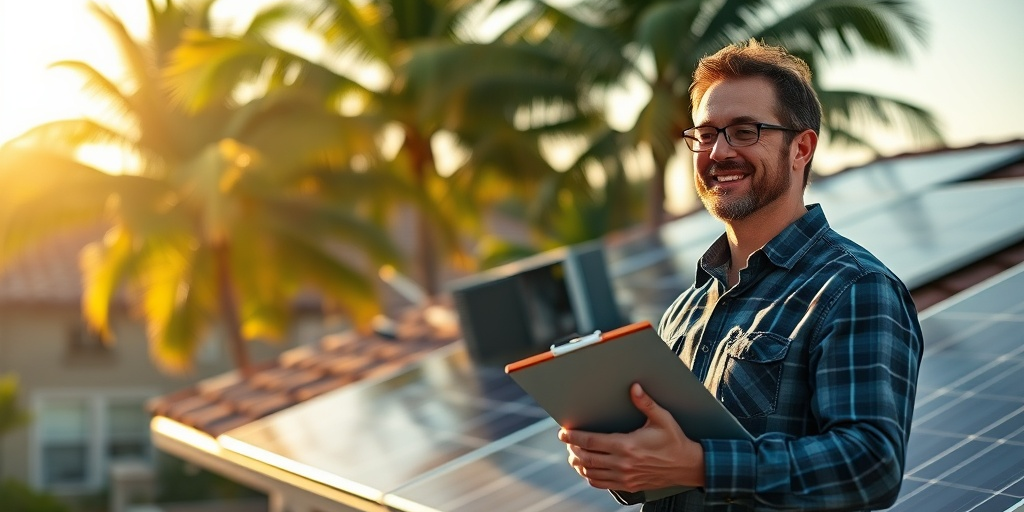
Did you know that Florida ranks second in the United States for solar power capacity, only behind California? With over 3,000 megawatts of installed capacity, the Sunshine State is brimming with potential for revolutionizing how we harness energy (SEIA.org). For homeowners, the decision to invest in solar power can significantly shift your financial landscape, but many are deterred by the upfront costs. This makes understanding financing options not just informative, but essential. In this blog, titled 7 Essential Financing Options for Solar Panel Installation, we will explore various financial pathways you can take to propel you toward a more sustainable future and diminish your electricity bills. As energy costs continue to rise—projected to increase by an average of 6.8% annually—that pressure to go solar is intensifying (Energy.gov). The urgency of embracing solar energy is compounded for 2025 by new government incentives and growing grid insecurity, prompting homeowners and commercial property owners alike to want reliable, affordable energy solutions. We will break down this topic into a comprehensive guide that covers actual financing options, actionable steps, and essential knowledge to make informed decisions.
In this guide, we will delve into:
- Financing Case Study – An engaging story demonstrating real financial options
- Step-by-Step Checklist – A practical guide for securing financing
- Myth-Busting – Addressing common misconceptions about solar financing
- Local Insights – Florida-specific financing options and incentives
- Technical Deep-Dive – A detailed look at solar technology and billing systems
Unlocking Solar Savings: A Financing Case Study
Meet Laura, a typical Florida homeowner living in a charming bungalow in Orlando. In 2022, Laura received her electricity bill and nearly fainted. Oddly, last winter’s mild temperatures had led to a minimal increase in her energy usage, yet her bill was significantly higher. Alarmed by skyrocketing costs, Laura began researching cost-effective solutions and quickly stumbled upon solar panels as a viable option. However, like many, she hesitated at the thought of hefty upfront costs.
Laura discovered various financing options that could alleviate her concerns. After consulting with the local solar company, she chose a Power Purchase Agreement (PPA), which allowed her to install solar panels at no upfront cost. Instead, she agreed to pay a fixed rate per kilowatt-hour for the energy produced. This setup significantly lowered her monthly bills, allowing her to allocate savings toward other needs. Within a few years, this approach not only reduced her utility bills but also increased her property value.
Checklist to Consider When Choosing Your Financing Method:
- Identify your budget: Determine how much disposable income you can allocate.
- Research available programs: Check local and federal incentives that may apply.
- Examine long-term savings vs. initial costs: Prioritize options that offer significant long-term savings.
- Consult with certified solar professionals: Schedule consultations to explore personalized options.
- Review financing agreements carefully: Understand any contractual obligations before signing.
Although Laura began her solar journey uncertain, she discovered the multitude of financing options that Manchester, Florida offers residents. A recent study found that 55% of homeowners using solar loans secured financing that led to substantial savings each year (SolarReviews.com). With various options to suit differing budgets and needs, there’s a method of financing available for everyone.
Now, let’s dismantle some common myths surrounding solar financing.
Myth-Busting: Common Misconceptions About Solar Financing
Myth #1: Solar panels are only for wealthy homeowners.
This is far from the truth! Many financing options, such as solar loans and PPAs, are designed to make solar accessible for the average homeowner, regardless of income (SEIA.org).
Myth #2: I can’t afford solar panels with rising interest rates.
Actually, many financial institutions offer competitive rates for solar financing, especially when accompanied by government incentives aimed at making renewable energy solutions more affordable.
Myth #3: Solar financing agreements always include hidden costs.
While some contracts can be complex, reputable providers are transparent. Always read the fine print and ask questions if in doubt—your peace of mind is worth it!
Myth #4: All solar leasing options are identical.
This is a misconception based on a lack of research. Different companies offer various terms, prices, and conditions. Each agreement is unique, and it’s crucial to analyze offerings from several companies.
Myth #5: If I move, I can’t take my solar investment with me.
Actually, if you financed your installation, you often can transfer the loan or lease to the new owner’s benefit, enhancing your home value.
To minimize misinformation, always consider speaking with experts in the field. At floridaelectricandsolar.com, our certified experts are here to clarify uncertainties and guide you on your path to solar Power.
Local Financing Insights for Floridians
Florida residents have unique advantages when considering solar installations. Thanks to initiatives from the state government, currently, there are multiple financing options available tailored to the needs of local homeowners.
- Property Assessed Clean Energy (PACE): This innovative financing program allows homeowners to pay for the installation of solar systems through their property taxes. With no upfront costs, homeowners can pay over time while enjoying immediate savings on their utility bills.
- Tax Credit Incentives: Florida has implemented state and federal tax credits for solar investments, significantly reducing overall installation costs. The federal Investment Tax Credit (ITC) offers a credit of 26% on solar expenses, encouraging adoption statewide (Energy.gov).
- Solar Loans: Local banks and credit unions often offer attractive financing terms specifically for solar installations. This is a powerful option to consider, especially with many loans now featuring low-interest rates and flexible repayment terms.
Engaging with certified local solar professionals will help your financing decision align with your long-term savings. In addition, do not neglect to look into financing options that offer immediate savings while fixing long-term energy costs for years ahead.
5 Expert Solar Installation Tips for 2025
As Florida homeowners look to maximize utility bill savings while investing in solar technology, here are five crucial tips for a successful installation in 2025:
- Don’t skimp on panel quality: Choose high-efficiency panels from reputable manufacturers. Quality panels yield higher savings and last longer.
- Engage certified installers: Working with licensed solar professionals ensures a high-quality installation and compliance with local regulations, avoiding mishaps that could cost you later.
- Keep an eye on orientation and shading: Proper positioning of solar panels based on your roof’s angles and shade exposure can substantially boost energy output.
- Invest in battery storage: With increasing grid instability, having a battery storage system can enhance your energy independence and security.
- Stay updated on incentives: Solar policies evolve swiftly. Being aware of the changes will enable you to maximize available tax credits and rebates.
Improper planning during the installation phase could lead to missed opportunities for savings and efficiency. The key is to do your homework and take action!
Next Steps for Florida Solar Buyers in 2025
Ready to engage with solar? Here’s your actionable checklist to navigate the process:
- Audit Your Electric Bill: Start by understanding your current energy usage to set realistic solar goals.
- Research Financing Options: Explore various financing and leasing options to find the best fit for your budget and energy needs.
- Consult a Solar Expert: Set up a meeting with a certified solar provider to walk you through detailed options tailored to your situation.
- Consider Battery Storage: Analyze if adding a storage solution would amplify your savings and energy resilience.
- Finalize and Implement: Once you have found the right financing route and chosen your installer, finalize your decision and schedule your installation.
Don’t wait until energy costs weigh heavily on your finances. The sooner you take action, the sooner you can cut electric bills and take control of your energy future. Learn more at floridaelectricandsolar.com.
As we’ve unpacked these invaluable insights throughout the article, remember that transitioning to solar energy is not just a trend but rather a necessary movement toward sustainability and financial independence. By capitalizing on the best financing options in 2025, you can dramatically reduce your utility bills while taking a significant step toward environmental stewardship. The path to energy independence is filled with empowering decisions; make yours today.
Ready to start your solar journey in 2025? Connect with a certified expert at floridaelectricandsolar.com today.
Related Articles
More insights about Solar Panel

Florida Homeowners: Why Solar Panel Maintenance Is Essential

7 Essential Steps for Solar Panel Installation Success

Expert Insights: Key Factors Influencing Solar Panel Lifespan
Ready to Go Solar?
Have questions about solar energy? Our experts are here to help you make the switch to clean, renewable energy.