
7 Key Factors to Consider for Solar Panel Installation
Share:
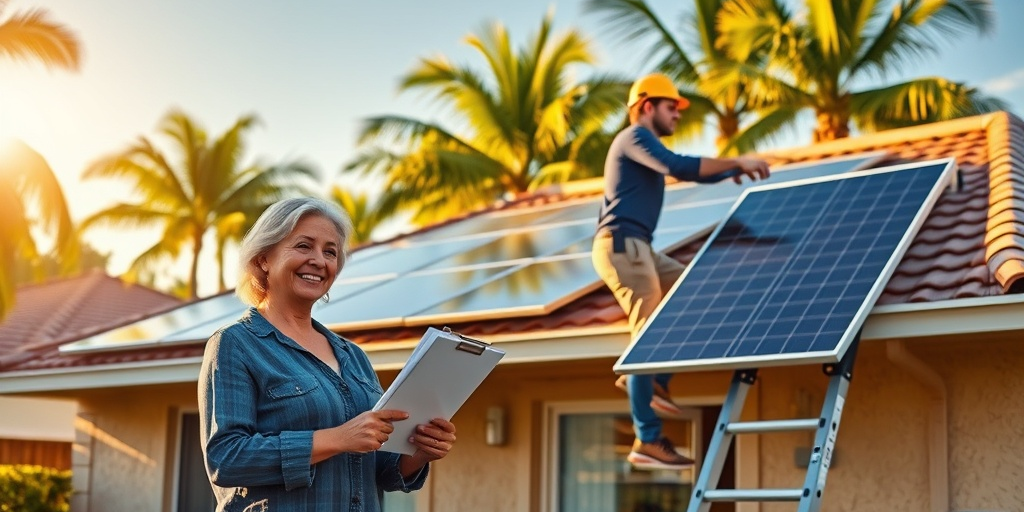
The sun shines brightly over the beautiful state of Florida, supplying an abundance of renewable energy while inviting homeowners to reconsider how they power their lives. Did you know that solar energy installations in Florida have increased by over 180% in just a few years? That’s a staggering statistic, but it reflects the growing trend among homeowners seeking to reduce energy bills and embrace sustainable living. If you’ve contemplated transitioning to solar power, 2025 may be the perfect moment to make your move as incentives continue to evolve and technologies advance. Today we will discuss the 7 Key Factors to Consider for Solar Panel Installation—vital insights for any Florida resident ready to embark on this exciting journey. By evaluating these factors, you can ensure a smooth transition to renewable energy that meets your unique needs.
With electric rates projected to rise as much as 18% in Florida due to increasing demand for energy and instability in traditional energy supply (Energy.gov), going solar isn’t just an environmentally friendly decision—it’s a financial one too. As rooftop solar becomes more viable, many homeowners are realizing the long-term savings and energy independence it provides. In this article, we’ll guide you through essential considerations, including local environmental factors, financial incentives, the right technology, and practical tips to help you make an informed decision.
Here’s what we will cover:
- The Importance of Local Environment and Climate
- Financial Incentives and Rebates for Solar in Florida
- Choosing the Right Solar Technology for Your Home
- Common Myths About Solar Energy Debunked
- Essential Steps for a Successful Solar Installation
The Importance of Local Environment and Climate
Florida’s sunny disposition is a significant asset in solar power generation. With an average of 264 sunny days per year, our state is an ideal candidate for harnessing solar energy. Let’s explore a rich case study that illustrates how local environmental factors affect solar panel installation and efficiency.
Consider the story of the Martinez family from Tampa. Seeking relief from rising electricity bills, they decided to invest in a solar system. By analyzing their home’s orientation, local weather patterns, and shading from nearby trees, they worked with a reputable installer to maximize their panels’ exposure to direct sunlight. Over the first year of operation, they saved over $2,000 on their electric bill. This simple yet pivotal determination highlights the importance of understanding and adapting to local environmental factors.
Checklist for Local Environmental Factors
- Analyze Your Roof Orientation: Ensure your roof is oriented to capture maximal sunlight, ideally south-facing.
- Consider Seasonal Variability: Take note of seasonal changes in sunlight during summer and winter months.
- Assess Local Weather Patterns: Investigate common weather events like storms or hurricanes that can impact your solar installation.
- Factor in Nearby Obstructions: Look for trees or buildings that may shade your panels.
- Understand Local Incentives: Familiarize yourself with state-specific incentives aimed at promoting renewable energy use (SEIA.org).
However, there are numerous myths surrounding solar power. Many believe that solar panels only work effectively in specific states or that they are an expensive investment. Let’s debunk some common misconceptions.
Myth #1: Solar Panels Are Only Effective in Sunny States
While Florida’s sun helps, systems can still capture energy from diffuse sunlight on overcast days. Energy storage technologies further enhance this capability.
Myth #2: Solar Energy is Too Expensive
Following the substantial decrease in solar equipment prices, many find that solar energy systems cover their costs quickly through savings in electricity bills (SolarReviews.com).
Myth #3: Solar Panels Require Constant Maintenance
Modern solar installations are designed to operate with minimal upkeep; a simple cleaning and annual inspection often suffice.
Realizing the potential for savings through solar energy in Florida is vital. In recent years, Florida’s solar capacity has quadrupled (SolarEnergy.org), showcasing the growing acceptance of solar technology among homeowners. It’s clear that the local environment plays a crucial role, but what about financial incentives?
Financial Incentives and Rebates for Solar in Florida
The financial landscape for solar installation in Florida is enticing, with various incentives aiding homeowners in reducing upfront costs. Understanding these opportunities can significantly impact your decision-making process.
Financial Incentives Checklist
- Federal Tax Credits: Homeowners can claim a 26% federal tax credit on solar system costs for installations completed by the end of 2022, dropping to 22% in 2023 (SEIA.org).
- Florida Solar Rebate Program: Offers additional incentives, helping to cover a portion of installation costs. Check current availability as funds are limited.
- Net Metering: Allows homeowners to sell back any excess power generated, reducing future energy costs.
- Local and Utility Incentives: Research any local or utility-based programs that provide rebates for solar power installation.
- Energy Savings Assessment: Conduct a detailed cost-benefit analysis on projected energy savings versus installation expenses.
According to the Solar Energy Industries Association, Floridians can save as much as $1,000 annually by switching to solar energy—an appealing prospect for savvy homeowners. It’s imperative to research these incentives thoroughly to ensure you take full advantage of the financial landscape available. But choosing the right technology is equally crucial.
Choosing the Right Solar Technology for Your Home
Selecting the most suitable solar technology for your residence is a significant step toward maximizing energy efficiency. Many options exist, and understanding their unique attributes can simplify your decision.
Solar panels comprise several types, including monocrystalline, polycrystalline, and thin film. Each has different efficiencies, cost implications, and lifespans. Let’s break it down:
Technology Selection Checklist
- Monocrystalline Solar Panels: Known for their high efficiency and space savings, these panels typically occupy less roof space.
- Polycrystalline Solar Panels: Slightly lower in efficiency but often less expensive, making them popular for homeowners seeking budget-friendly options.
- Thin-Film Solar Panels: Extremely light and flexible, but their lower efficiency means you may require more panels to generate the same amount of energy.
- Inverters: Choose between string inverters and microinverters based on your roof layout and shading conditions. Microinverters often offer better performance in uneven lighting.
- Battery Storage: Investigate energy storage systems to ensure access to power during outages or high-demand periods.
With technology continually evolving, it’s imperative to work with an experienced solar installer who can guide you through these choices based on your specific needs. It’s a pivotal investment, and much can be saved over time by selecting the appropriate technology. But knowing what’s true can be a struggle, especially with numerous myths perpetuating negativity about solar energy…
Common Myths About Solar Energy Debunked
As homeowners consider going solar, they often encounter skepticism fueled by common myths. It’s critical to differentiate fact from fiction to make an informed choice. Here are several pervasive myths that need clarification.
Myth #1: Solar Panels Require a Lot of Maintenance
While solar panels do require some maintenance, the reality is that most systems are designed for durability and low upkeep. A quick wash a few times a year and an annual inspection generally suffice.
Myth #2: Solar Power is Only for the Wealthy
This myth overlooks the expanding availability of financing options and incentives that make solar solutions accessible to a broader population. Many homeowners find the savings on energy consistently outweigh the initial investment.
Myth #3: Solar Panels Can’t Produce Energy in Cloudy Weather
Solar panels are efficient even in diffuse sunlight, a common weather condition in Florida, with many systems outperforming expectations.
Myth #4: Installing Solar Panels Will Damage Your Roof
As long as the installation is carried out professionally, solar panels shouldn’t harm your roofing structure—they can even extend your roof’s lifespan by offering an extra layer of protection.
Myth #5: Solar Energy is Not Reliable
With advances in battery storage technology, homeowners can store energy for use during peak hours or power outages, enriching the reliability of going solar.
By shedding light on these discrepancies, potential solar adopters can approach the transition with confidence. Now that we have addressed some prevalent myths, let’s discuss the essential steps for a successful solar installation!
Essential Steps for a Successful Solar Installation
Embarking on the journey to solar power can feel daunting, but there are clear steps to follow to ensure a stress-free transition. From auditing your energy needs to finally flipping the switch on your new system, here’s how to navigate the installation process.
Action Plan Checklist
- Step 1: Audit Your Energy Bill:
Begin by analyzing your energy consumption. Review your past bills to determine how much energy you use and identify any trends or spikes in usage. - Step 2: Research Local Installers:
Look for reputable solar installers who have experience in Florida and aren’t afraid to provide references. Validate their certifications and customer reviews. - Step 3: Get Multiple Quotes:
Don’t settle on the first quote you receive. Gather at least three competitive estimates to make an informed decision based on price, service, and warranty offerings. - Step 4: Review Financing Options:
Beyond upfront costs, investigate financing plans, leases, or power purchase agreements to determine the best financial path for your goals. - Step 5: Verify Permits and Regulations:
Ensure that your installer handles all local permits and adheres to any necessary regulations. Research HOA guidelines if applicable to your community.
Following this structured plan can eliminate much of the worry associated with switching to solar. The empowerment this system brings is monumental—not only can it save you money, but it also contributes to a sustainable future for generations to come.
Conclusion
Navigating the world of solar installation may seem overwhelming, but equipping yourself with knowledge is the best way to succeed. Understanding key factors such as your local environment, financial incentives, technology options, and common misconceptions can transform your decision-making process. As rising utility rates urge Florida homeowners to consider sustainable options, the time for action is now. Imagine cutting your electric bill significantly, owning your power, and contributing positively to our environment—all within reach through a solar installation.
In summary, we explored the essential 7 Key Factors to Consider for Solar Panel Installation. By following our guide, you’ll empower yourself as a savvy solar consumer, paving the way for a brighter, more sustainable future.
Ready to start your solar journey in 2025? Connect with a certified expert at floridaelectricandsolar.com today.
Related Articles
More insights about Solar Panel

Florida Homeowners: Why Solar Panel Maintenance Is Essential

7 Essential Steps for Solar Panel Installation Success

Expert Insights: Key Factors Influencing Solar Panel Lifespan
Ready to Go Solar?
Have questions about solar energy? Our experts are here to help you make the switch to clean, renewable energy.