
7 Steps to Financing Options for Solar Panel Installation
Share:
“`html
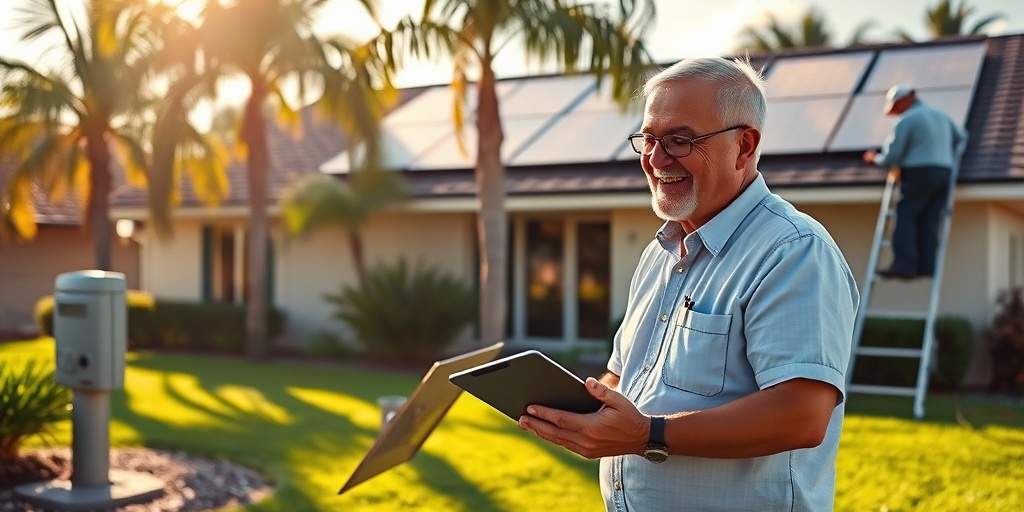
Picture this: last summer, Florida resident Maria stood in front of her electric meter, bewildered as she watched her energy bill skyrocket, thanks to rising utility rates. “There has to be a way to save money and help the environment,” she thought. And there is—solar energy! With the right financing options, transitioning to solar power is easier than ever. In fact, according to the Solar Energy Industries Association (SEIA), Florida ranked third in the nation for solar installations in 2022, showcasing that residents are increasingly turning toward solar energy for their homes. However, as we step into 2025, navigating the financial maze connected to solar panel installation is vital for Florida homeowners and business owners who wish to avoid future spikes in electric bills. This guide will cover the “7 Steps to Financing Options for Solar Panel Installation,” unlocking the secrets to financing with actionable steps, smart choices, and insights tailored for you. In the upcoming sections, we will delve into a poignant case study, a concise checklist, myth-busting facts, critical local insights, and technical deep-dives. Let’s start making your solar journey not just a dream but a reality!
Understanding Your Solar Financing Options: A Deep Dive
Meet John and Sarah, a couple living in Orlando, Florida, who embarked on their solar journey last year. After surviving several summers of high energy bills, they decided enough was enough. They wanted to harness the Florida sun to power their home efficiently and sustainably. However, incredulous about the installation and financing processes, they hesitated, unaware of the plethora of options available. Their concerns were valid; the average cost of a solar panel installation in Florida can range from $15,000 to $25,000, depending on the size of the system needed (Energy.gov). But that didn’t deter them for long! By researching financing options, they discovered a clear path forward.
- Step 1: Assess Your Energy Needs
- They began by auditing their energy consumption, analyzing their electric bills, and determining how much power they needed to generate to offset their usage. They quickly realized that a solar array could significantly reduce their monthly expenses, especially with the average electric bill in Florida being around $130 per month (SolarReviews.com).
- Step 2: Evaluate Financing Options
- Next, John and Sarah explored various financing options, including purchasing the system outright, solar loans, leases, and Power Purchase Agreements (PPAs). Each option has distinct advantages: purchasing can generate the most savings in the long run, while financing is more accessible with little to no upfront costs.
- Step 3: Look for Incentives
- Realizing that the federal solar tax credit was set to decrease in 2025, they acted quickly to take advantage of the current 26% tax credit, which can save homeowners thousands of dollars on installation (SEIA.org).
- Step 4: Work with an Expert
- Finally, they decided to consult with Florida Electric & Solar, a trusted provider in the area. Working with a knowledgeable team helped them finalize their financing plan and select the best equipment according to their specific needs.
Ultimately, the result was a seamless installation, leading to not only financial savings but also environmental benefits. They witnessed a significant reduction in their electricity bills, contributing to a broader shift towards sustainable energy in their community. Inspired by John and Sarah, many Florida homeowners can achieve similar results by following these actionable financing steps.
Now, let’s address common myths and misconceptions that might hinder potential solar adopters.
Myth-Busting Your Way to Solar Success
Myth #1: Solar is Too Expensive
Contrary to popular belief, solar panel prices have dropped dramatically in the past decade—by approximately 89% since 2010 (SEIA.org). With flexible financing options, going solar can fit various budgets, making it an attainable solution for many families.
Myth #2: You Must Live in a Sunny Area
While it’s true that sunny states like Florida have a distinct advantage, solar panels can still generate power even on cloudy days. Solar technology is advancing, making them efficient under varying weather conditions, optimizing energy production to benefit the user.
Myth #3: Solar Panels Require Extensive Maintenance
Another common misconception is that solar panels require a high maintenance level. In reality, they only need regular cleaning and occasional inspections to ensure optimal performance. Most systems come with warranties covering performance for up to 25 years!
Myth #4: You Won’t Save Money
With rising energy costs and available incentives, going solar often saves homeowners money in the long run. Even a system financed with low-cost options can lead to monthly savings compared to traditional energy sources.
Myth #5: Solar Energy Isn’t Reliable
Finally, many people believe that solar energy is unreliable due to its dependence on sunlight. With advancements in battery storage technology, homeowners can store energy produced during the day for later use, ensuring a consistent energy supply, regardless of weather conditions.
This myth-busting section reveals the potential and practicality of solar options, encouraging skeptical homeowners to consider the rewarding path towards energy independence.
Next, let’s focus on local resources and incentives available specifically for Florida residents.
The Local Solar Financing Landscape: Florida Edition
In Florida, the push for solar energy doesn’t just come from individual homeowners; policy changes and community initiatives are making solar a compelling choice. As of 2025, Florida’s solar market is thriving, with over 1.5 million installations statewide (SEIA.org).
Some key incentives and financing options available to Floridians include:
- Property Assessed Clean Energy (PACE): This innovative financing program allows homeowners to finance solar installations through property tax assessments, making the upfront costs more manageable.
- Sales Tax Exemption: Florida offers various sales tax exemptions on solar equipment, making it financially appealing for those transitioning to solar. Homeowners can save about 6% on the installation costs (Florida Department of Revenue).
- Federal Solar Investment Tax Credit: As mentioned before, this program offers a significant tax credit, further enhancing the affordability of solar projects. With the decreasing rates, now is the time to invest.
Local solar providers, like Florida Electric & Solar, can guide homeowners through these programs and help them determine which financial avenues will best suit their unique situations. When armed with knowledge, Florida homeowners can seize the opportunity to benefit environmentally and economically from solar power.
Now, let’s explore expert tips for maximizing your solar installation in 2025.
5 Expert Solar Installation Tips for 2025
Transitioning to solar energy is not only a significant investment but also a sustainable choice that brings long-term benefits. Here are five expert tips for making the most of your installation:
- Don’t Skimp on Panel Placement: The orientation and angle of your solar panels can substantially impact their energy production. Work with your provider to optimize placements based on sunlight exposure for maximum efficiency.
- Consider Battery Storage: Investing in energy storage, like solar batteries, allows you to store excess energy generated during the day for use at night or during outages, enhancing your system’s reliability.
- Understand Your Financing Options: Familiarize yourself with various financing avenues and programs. Choosing the right option tailored to your financial situation can maximize savings and reduce long-term costs.
- Monitor System Performance: Regularly assess your system’s performance using monitoring tools provided by your installation team. This helps ensure it operates efficiently, allowing for timely maintenance if issues arise.
- Take Advantage of Incentives: Engage with local solar programs and incentives like PACE financing and others to minimize installation costs and generate savings.
These expert tips provide insights into navigating the complex field of solar installation, bringing you one step closer to being an energy-efficient homeowner.
With this knowledge, let’s expand on a hypothetical journey of a Florida homeowner exploring the solar world.
A Hypothetical Florida Homeowner’s Solar Journey
Imagine Rachel, a fictional Florida resident who is frustrated with her monthly electricity bills. Living in Miami, she constantly overhears neighbors talking about their solar power savings. At a neighborhood BBQ, a friend raved about their recent installation, claiming they had slashed their electric bills by 60%!
Intrigued, Rachel decided to explore solar energy. The initial steps included:
- Research: Rachel scoured online platforms and consulted local providers, like Florida Electric & Solar, to understand available options. She discovered that many local firms offer comprehensive service packages including assessment, installation, and post-installation support.
- Cost Analysis: Determining her home’s energy consumption led Rachel to a rough estimate of her system requirements. By calculating potential savings, she became more confident in her decision.
- Seeking Financial Guidance: After approaching several installers, Rachel learned about financing options suited to her credit history and budget. Engaging with an expert proved advantageous, as they clarified the pros and cons of different financing pathways.
- Incentive Hunting: Rachel diligently compiled available incentives, including state exemptions and federal tax credits, allowing her to strategize the best time for installation.
Ready to proceed, Rachel contacted a local installation company, signing a contract armed with knowledge. Her journey highlights how thorough exploration and understanding can lead to successful solar adoption.
So, what are the next steps for those ready to embrace this promising energy source?
Next Steps for Florida Solar Buyers in 2025
Making the leap into solar energy can be transformative! Here’s a succinct checklist of actions for aspiring Florida solar buyers:
- Step 1: Audit Your Electric Bill: Analyze your last few months of energy bills to identify consumption patterns and potential savings.
- Step 2: Research Local Installers: Explore local providers like Florida Electric & Solar and read customer reviews to ensure you choose a reputable installation team.
- Step 3: Explore Financing Options: Familiarize yourself with various financing options available. Determine which method aligns with your financial situation and solar goals.
- Step 4: Determine Your System Size: Understand the size of the solar system needed to meet your energy demands. Consulting with experts can help clarify this assessment.
- Step 5: Register for Incentives Within Timely Limits: Ensure you complete necessary applications and outreach to access all local, state, and federal incentives available to you.
By following these steps, Florida homeowners can minimize installation costs while positioning themselves as leaders in the green energy movement. If you’re eager to begin your solar journey and embark on the path to energy independence, take action now!
As we conclude our exploration of financing options for solar energy, let’s reflect on the journey we’ve just undertaken toward a brighter, more sustainable future.
In conclusion, investing in solar energy is one of the most impactful decisions for Florida homeowners in 2025. As we’ve seen through personal stories, statistics, and deep dives into local resources, the financial incentives are substantial, with upsides ranging from reduced energy costs to enhanced property values. By effectively implementing the steps outlined in this guide, potential solar buyers can equip themselves with the knowledge needed to navigate this exciting transition confidently. If you are committed to your family’s well-being, the planet’s future, and your wallet, now is the time to take action. Ready to start your solar journey in 2025? Connect with a certified expert at floridaelectricandsolar.com today.
“`
Related Articles
More insights about Solar Panel

Florida Homeowners: Why Solar Panel Maintenance Is Essential

7 Essential Steps for Solar Panel Installation Success

Expert Insights: Key Factors Influencing Solar Panel Lifespan
Ready to Go Solar?
Have questions about solar energy? Our experts are here to help you make the switch to clean, renewable energy.