
7 Essential Steps for Financing Your Solar Panel Installation
Share:
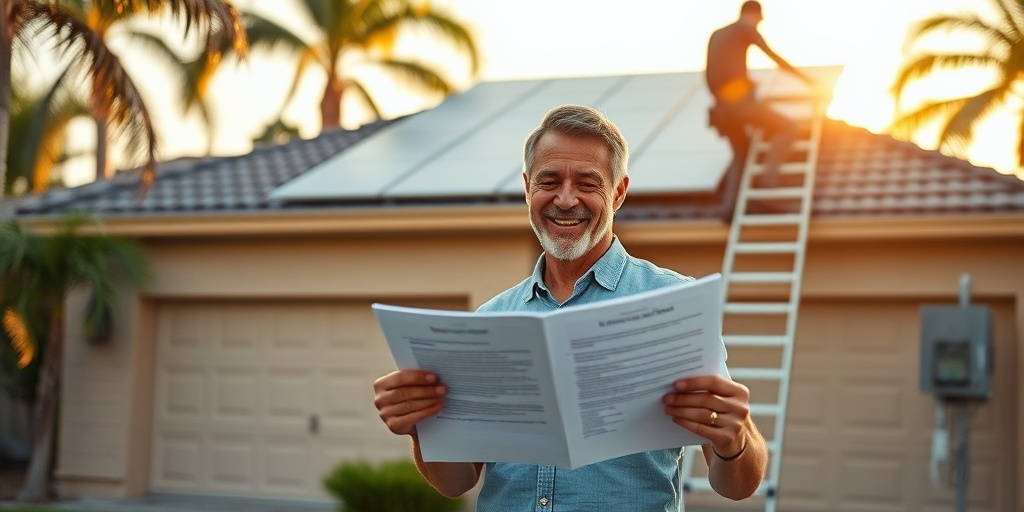
As the sun blazes high in the Florida sky, so does the urgency for homeowners to reconsider their energy options. Did you know that Florida ranks among the top three states for solar energy production in the U.S., with over 160,000 residential solar panel installations and climbing? (SEIA.org) Yet, many homeowners feel overwhelmed by the fine print of financing and the complexities of solar panel installation. In 2025, the stakes are even higher: rising energy costs and potential grid instability have led to increasing interest in renewable energy solutions. Now is the time to explore your options.
In this comprehensive guide titled 7 Essential Steps for Financing Your Solar Panel Installation, we will walk you through actionable steps to make solar energy a reality for your home, helping you not only to maximize your utility bill savings but to feel secure in your investment. With the introduction of new federal and state incentives, it’s crucial to know how to navigate this evolving landscape. This article covers everything from understanding your electric bill to optimizing your financing options, ensuring you’re well-equipped to make informed choices. Throughout, we will unlock insights into the latest industry trends and local data that matter to Florida homeowners like you. Here is what you can expect in the upcoming sections:
- A compelling case study of a Florida homeowner’s solar journey
- A practical checklist for financing your solar panel installation
- Common myths about solar power debunked to clarify your perspective
- A local focus on Florida-specific factors and incentives
- A technical deep-dive into the financing options available
Brace yourself for an enlightening journey into solar financing that can change the way you see energy consumption forever. Let’s begin!
Understanding Your Solar Financing Options
Once you decide to make the switch to solar, understanding the various financing options is crucial for maximizing your investment. A real-life example is the story of Maria, a homeowner in Tampa, who was initially hesitant to invest in solar panels. Maria, like many, believed the upfront costs were more than she could stomach. However, after consulting with local experts, she discovered that financing her solar panel installation was not only feasible but also financially beneficial.
After sitting down with a solar consultant, she learned that there are efficient financing paths available such as solar loans, leases, and Power Purchase Agreements (PPAs). Each offers unique advantages:
- Solar Loans: Allow you to own the system and potentially qualify for federal tax credits.
- Leases: A rent-to-own model where you pay monthly for using the system but don’t own it outright.
- PPAs: You pay for the power generated by the solar panels, making it a budget-friendly option.
Maria opted for a solar loan, which allowed her to capitalize on the 26% federal tax credit and reduce her overall financing costs. With the average cost of solar panels decreasing to $2.77 per watt (Energy.gov), more Florida homeowners are finding solar increasingly accessible. According to a report by the Florida Solar Energy Center, solar installations can yield a return on investment of up to 20% annually. Maria’s story highlights how upfront costs, while daunting, can translate into long-term savings.
Step-By-Step Financing Checklist
Making the leap to solar energy requires an organized approach. Here’s a checklist designed to guide you through the financing steps, ensuring you capture any savings available:
- Step 1: Audit Your Electric Bill
Review your last 12 months of energy bills to understand your average costs. This data will be crucial in determining the size of the system you need and estimating potential savings.
- Step 2: Explore Financing Options
Research different financing options like loans, leases, and PPAs, speaking with multiple financial institutions to ensure you find the best terms.
- Step 3: Check for Incentives
Look for available incentives at both the federal and state levels. For 2025, the federal solar tax credit will still allow you to deduct 26% of installation costs from your federal taxes (SEIA.org).
- Step 4: Get Multiple Quotes
Request quotes from at least three solar installers to understand pricing structures and warranties offered. This will also help you make an informed decision about the best company to go with.
- Step 5: Review Your Contract
Before signing, carefully read your contract.Don’t hesitate to ask your installer questions about terms, warranties, and the specifics of the performance guarantee.
In Maria’s case, following this checklist demystified the complexities involved in financing solar energy, ultimately leading her to significant savings on her electric bills. Remember, knowledge is power when it comes to making informed financial decisions.
Debunking Solar Financing Myths
When it comes to financing solar panel installations, misinformation can cloud decision-making. Let’s tackle some common myths to clarify the perceptions:
- Myth #1: Solar is Too Expensive
While upfront costs can seem daunting, financing options make solar accessible for many. Incentives further lower costs, allowing more homeowners to make the switch.
- Myth #2: You Can’t Save Money with a Lease
Leases can be financially beneficial for those who don’t have upfront capital. Monthly payments may still be lower than utility bills, leading to immediate savings.
- Myth #3: Solar Panels Are Maintenance Heavy
Solar panels typically require minimal maintenance, mainly periodic cleaning and inspections, making them a hassle-free option once installed.
- Myth #4: Solar Power is Inefficient in Florida
Florida boasts some of the highest solar insolation rates in the country, making it an ideal state for solar energy production. Residential solar systems can generate substantial energy savings.
- Myth #5: You Cannot Move Your Solar System
Many homeowners think they cannot take their systems with them if they sell their homes; however, solar systems can be transferred or included as part of the home sale, adding value.
By dispelling these myths, homeowners can feel more confident in exploring solar options. The perception of solar financing as a cumbersome process can hinder decision-making, but with clarity and knowledge, this process can become significantly more manageable.
Local Considerations for Florida Homeowners
As a Florida homeowner, local factors significantly influence your decision to switch to solar energy. Understanding these specifics can enhance your financing strategy:
- Incentives: Florida offers various incentives such as the Property Tax Exemption for residential solar installations, allowing you to avoid additional taxes on the value your solar system adds to your home.
- Net Metering: With the state’s net metering policies, excess energy generated by your solar system can offset your electric bills, monetizing extra energy production.
- Local Weather: In Florida, sunny days abound, making your solar energy systems able to generate more energy throughout the year, enhancing their value.
A 2023 report indicates that Florida homeowners can save around $18,000 over 20 years by investing in solar energy (Florida Solar Energy Center). With relatable local factors in play, focusing on solar financing becomes decidedly clearer for new solar buyers.
A Tech Deep-Dive into Solar Financing Trends
The solar financing landscape is ever-evolving, particularly as advancements in technology and policy emerge. A few noteworthy trends are revolutionizing how financing is approached:
- Increased Access to Solar Loans: Financial institutions are increasingly offering attractive loans with lower interest rates dedicated to solar energy projects, facilitating smoother investments.
- Green Financing Initiatives: Programs specifically aimed at promoting renewable energy are gaining traction, allowing consumers to align their values with their financing decisions.
- Emergence of Community Solar Programs: Though financing opportunities for single-family residential solar panel installation exist, community solar programs afford renters and those unsure about upfront costs the chance to benefit from solar energy.
With experts predicting continued growth in solar installations in Florida—expected to double by 2030—understanding these financing trends will allow you to make educated decisions, tailoring your financing to meet your needs.
Next Steps for Florida Solar Buyers in 2025
Taking action is vital as you consider financing your solar installation. Here’s a detailed checklist to guide you through the next steps:
- Step 1: Audit Your Electric Bill
Identify your average monthly costs and determine your energy usage. This informs the size and capacity of your solar system.
- Step 2: Research and Compare Financing Options
Shop around for different financing options, understanding interest rates, terms, and any future option to buy the system outright.
- Step 3: Connect with a Local Installer
Reach out to local solar installation companies to discuss your options and request quotes.
- Step 4: Understand Your Financing Agreement
Ensure all terms are clear and fair. Seek advice from experts if necessary, especially if you encounter difficult language.
- Step 5: Schedule Your Installation
Once you have signed your financing agreement, get your installation on the calendar. It’s time to harness the sun!
Following these steps will assist you in optimizing your financing strategy for solar energy, taking you one step closer to owning your power. Furthermore, speaking with a trusted provider can help you navigate any additional local regulations or incentives affecting your installation.
As we summarize this guided journey—understanding the complexities of financing your solar panel installation, debunking myths, and recognizing local incentives—remember that the decision to switch to solar is not merely a financial one; it’s a commitment to sustainable living and an investment in a brighter future for your family.
In rapidly changing times like 2025, adopting solar power isn’t just advantageous; it’s essential for energy independence and reducing your utility bills. With this knowledge in hand, you are poised to take control of your energy future.
Ready to start your solar journey in 2025? Connect with a certified expert at floridaelectricandsolar.com today.
Related Articles
More insights about Solar Panel

Florida Homeowners: Why Solar Panel Maintenance Is Essential

7 Essential Steps for Solar Panel Installation Success

Expert Insights: Key Factors Influencing Solar Panel Lifespan
Ready to Go Solar?
Have questions about solar energy? Our experts are here to help you make the switch to clean, renewable energy.