
7 Steps to Maximize Your Solar Panel Installation Savings
Share:
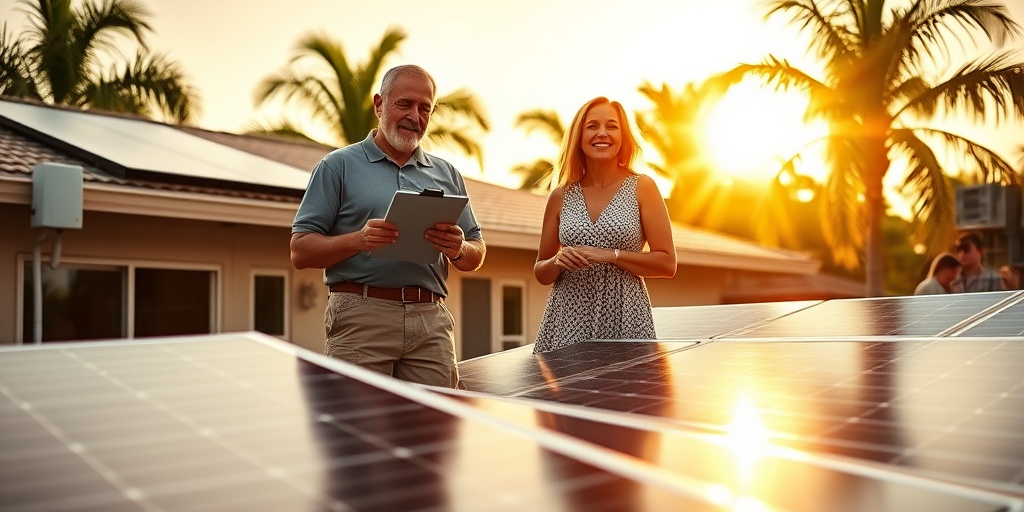
Did you know that in 2025, the average Florida homeowner could save nearly $1,500 a year by adopting solar energy? This striking statistic highlights the tremendous potential of solar energy, not just for reducing your electric bill, but for securing a sustainable future, especially as rising energy costs continue to pressure budgets across the Sunshine State. With solar installation incentives becoming more favorable in 2025, including a potential extension of the federal solar tax credit, there’s never been a better time to explore solar options. In our article titled 7 Steps to Maximize Your Solar Panel Installation Savings, we’ll outline essential strategies to help you harness these savings effectively. We’ll cover how to take advantage of local incentives, debunk common myths about solar energy, and equip you with a practical checklist to navigate this complex landscape. This guide is not just an opportunity; it could be your pathway to long-term savings and energy independence. Let’s dive into the critical steps you need to take to maximize your solar panel installation savings this year.
Understanding Your Solar Investment: A Case Study
Meet Lisa and Tom, a typical couple living in Orlando, Florida. They faced increasing electric bills and wanted a sustainable solution. After attending a local solar workshop, they realized they could save significantly by switching to solar power. In 2025, savings opportunities in Florida have expanded due to the updated solar incentives available. After conducting thorough research, they decided to take action.
**Step 1: Research Local Incentives** – Lisa utilized reputable platforms like floridaelectricandsolar.com to familiarize herself with the current solar incentives, including the 26% federal tax credit and state rebates. A notable statistic to keep in mind: Florida ranks fifth in the nation for installed solar capacity (SEIA.org). This is crucial as it indicates the growing acceptance and support for renewable energy in the state.
**Step 2: Get Multiple Quotes** – Engaging with multiple solar companies also brought competitive bids, allowing Lisa and Tom to select a contractor who provided the best price-value ratio. With several finance options such as solar loans or leases, they were able to choose a solution that minimized their initial investment while maximizing returns.
**Step 3: Optimize Energy Efficiency Before Installation** – They then turned their attention to enhancing their home’s energy efficiency. This included upgrades like better insulation and energy-efficient appliances to ensure their new system would provide optimal returns. According to Energy.gov, homes with solar panels paired with energy-efficient systems can lead to 30-40% more savings over time. By ensuring their home was ready for solar, they set the stage for maximum savings.
**Step 4: Monitor Trends and Technologies** – As part of their due diligence, they stayed informed about evolving technologies that could further increase their savings post-installation, such as high-efficiency solar panels and battery storage solutions. New studies suggest solar panel efficiencies could increase by an additional 5-10% by 2025 (SolarReviews.com), making early adoption even more advantageous. This awareness allowed them to future-proof their investment.
**Step 5: Plan for the Long Run** – Finally, Lisa and Tom sought to set realistic expectations on their solar energy production, factoring in Florida’s unique weather patterns. They understood the importance of maintenance and timely inspections to maintain production efficiency over time, ensuring their investment continued to pay off.
In summary, the couple’s journey into solar energy showcased the importance of a holistic approach—researching incentives, gathering competitive quotes, enhancing energy efficiency, staying informed about tech advancements, and planning for the future. Through their diligent preparations, they were able to maximize their solar installation savings and secure a brighter future.
The Ultimate Checklist: Steps to Solar Savings
Ready to embark on your solar journey? Here’s a concise checklist you should follow to ensure you maximize your solar panel installation savings in 2025:
- Step 1: Audit Your Electric Bill – Review past bills to establish your average electric usage and expenditures. Look for patterns to determine the best size for your solar system.
- Step 2: Research Local Solar Providers – Seek certified solar installers in your area. Investigate their reputation through customer reviews (like those at SolarReviews.com) and ensure they offer warranties on their products.
- Step 3: Check Incentives and Financing Options – Explore available federal and state incentives, like the 26% tax credit, as well as local rebates. Understand different financing options to find the best value.
- Step 4: Consider Your Energy Needs – Beyond monthly consumption, think about future energy needs—growing families, planned home renovations, or electric vehicle charging stations.
- Step 5: Compare Installation Costs – Collect quotes from multiple contractors. Midway through your decision process, compare the cost per watt, payment options, and warranties offered.
- Step 6: Optimize Your Home’s Energy Efficiency – Before solar installation, conduct an energy audit to identify areas for potential efficiency improvements that can complement your solar savings.
- Step 7: Prepare for Installation and Maintenance – Plan for the installation timeline, ensuring a professional setup. Familiarize yourself with routine maintenance needs to maximize efficiency over time.
This checklist is your roadmap, guiding you towards not just any solar panel installation but maximizing your solar savings and reaping the long-term benefits that solar energy promises.
Myth-Busting Solar Energy Misconceptions
As you consider the transition to solar energy, it’s essential to dispel common misconceptions that could cloud your decision-making process. Here, we tackle five prevalent myths:
- Myth #1: Solar Energy is Too Expensive – Many homeowners mistakenly believe that solar is prohibitively costly. Yet, after federal incentives and state rebates, the price to install solar has significantly decreased. In 2025, the average cost of solar has dropped nearly 70% in the past decade (SEIA.org).
- Myth #2: Solar Panels Are Ineffective in Cloudy Weather – Although sunlight does decrease on cloudy days, solar panels can still generate energy. In fact, many systems in Florida can still deliver 75-90% of their peak production even on overcast days.
- Myth #3: My Home Isn’t Suitable for Solar – If your roof isn’t directly south-facing, you still aren’t out of luck. Installers can use alternate types of panels, like ground-mounted systems or even community solar options that harness wind and sun without requiring direct rooftop space.
- Myth #4: Solar Panels Require Too Much Maintenance – Solar panels are, in fact, low-maintenance. Most manufacturers offer warranties that last 25 years or more, and regular cleaning and inspections typically suffice to keep them functioning optimally.
- Myth #5: You Can’t Sell Your Home With Solar Panels – On the contrary, homes equipped with solar panels often command higher sale prices and can attract more buyers—particularly in energy-conscious markets. In Florida, homes with solar panels tend to sell 20% faster than those without (SolarReviews.com).
Understanding these myths is crucial as you evaluate the potential of solar energy for your residence or business. Armed with accurate information, you can approach your solar journey with confidence.
Best Practices: Expert Solar Installation Tips for 2025
Transitioning to solar energy can seem daunting, but with the right strategies, it can be a seamless process. Here are vital tips from industry experts:
- Choose Quality Over Cost – While it can be tempting to select the lowest bid, quality panels and installation can have long-term benefits and better performance. Look for panels with high efficiency ratings.
- Consider Battery Storage – If budget allows, adding battery storage can help you utilize energy generated during the day at night, maximizing savings by reducing reliance on grid energy (Florida Solar Energy Center).
- Explore Marketing Incentives – Understand how marketing incentives can significantly expand your solar project’s accessibility. Engaging with eco-conscious brands can offer more funding source options.
- Stay Informed on Policy Changes – Solar policies can change significantly, especially as legislation evolves. Keep abreast of both local and federal policies that may influence your installation and finances.
- Engage With Local Solar Communities – Connect with others in Florida who have embraced solar technology. Online forums and social media groups can be valuable resources for advice, experiences, and support.
Implementing these best practices can ensure that you not only secure savings but also optimize your solar energy experience for years to come.
Your Solar Journey: A Hypothetical Florida Homeowner’s Story
Let us follow a fictional story of Mike and Sarah, a young couple excited about going solar. Residing in Fort Lauderdale, they realized their electric bills were steadily rising and felt compelled to act. Their first step was to understand their energy consumption, and they found their usage patterns through an analysis of a year’s worth of bills.
- Initial Research – After comparing the energy used week-by-week, they researched solar providers operated throughout Florida. They were pleased to find that in 2025, Florida had continued to extend its solar incentives, which eased the financial burden of switching.
- Adopting Energy-Efficient Technology – Inspired, Mike and Sarah indulged in energy-efficient appliances, which brought down their regular consumption by 20%. They felt this undertaking would complement their future solar installation.
- Choosing the Right Installer – They meticulously selected a local installer based on positive reviews to ensure a quality installation, leading to competitive pricing for their 6 kW solar system.
- Installation and Monitoring – As their solar installation progressed, they were surprised how quick and seamless it was. The result was an immediate reduction in their electric bills following activation, confirming their decision was right.
By year-end, Mike and Sarah tracked their savings and were delighted to discover their solar investment had not only paid off but positioned them to combat rising energy prices confidently. More importantly, they felt a profound sense of ownership, power, and pride in reducing their carbon footprint.
Next Steps for Florida Solar Buyers in 2025
As we reflect on your journey towards solar energy, here’s a detailed action plan to ensure you move forward with confidence:
- Step 1: Audit Your Electric Bill – Collect your electric bills from the last 12 months. This data will guide you in understanding your energy consumption patterns.
- Step 2: Identify Local Solar Programs – Investigate available solar energy programs and rebates in Florida, ensuring you take full advantage of the financial opportunities available.
- Step 3: Decide on Financing Options – Understand various financing options, including solar loans, leases, and power purchase agreements (PPAs). Evaluating each option carefully helps streamline the process.
- Step 4: Optimize Your Energy Profile – By implementing energy-efficient solutions prior to installation, home performance can be maximized. This lays a solid foundation to derive full benefits from solar energy.
- Step 5: Schedule Installation – Once you’ve narrowed down providers and financing options, arrange for your installation. Expect a streamlined process and look forward to the immediate benefits.
The momentum for transitioning to solar energy is building; with available incentives and decreasing costs, now is the time. Equip yourself with these actionable steps, ensuring you’re well prepared for the solar journey ahead.
In conclusion, 7 Steps to Maximize Your Solar Panel Installation Savings serves not only as your comprehensive guide but also illuminates the path to achieving energy independence. Remember, the decisions you make today will impact not just your wallet, but your family’s future as well. Embrace the imminent changes in solar energy, and let’s work together towards a sustainable and financially savvy future.
Ready to start your solar journey in 2025? Connect with a certified expert at floridaelectricandsolar.com today.
Related Articles
More insights about Solar Panel

Florida Homeowners: Why Solar Panel Maintenance Is Essential

7 Essential Steps for Solar Panel Installation Success

Expert Insights: Key Factors Influencing Solar Panel Lifespan
Ready to Go Solar?
Have questions about solar energy? Our experts are here to help you make the switch to clean, renewable energy.