
7 Essential Steps to Maximize Your Solar Panel Installation
Share:
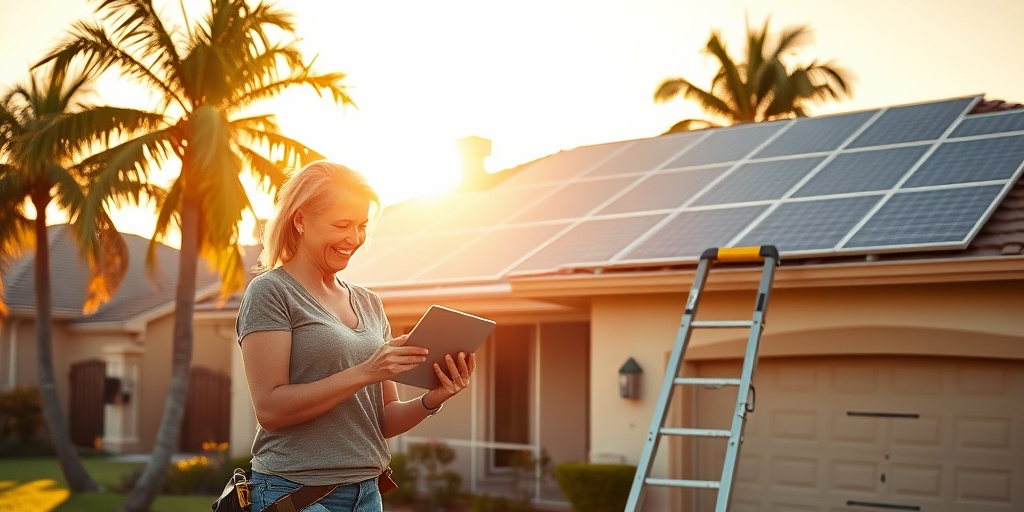
In recent years, one statistic has grabbed the attention of homeowners across the United States: nearly 90% of solar systems are still underutilized after installation. Many homeowners believe that simply putting solar panels on their roofs will lead to significant savings without further action on their part. But what if I told you that you could maximize those savings and significantly improve your return on investment through some necessary steps? That’s why we’ve put together this article titled 7 Essential Steps to Maximize Your Solar Panel Installation. In 2025, Florida homeowners are faced with rising energy costs and significant new solar incentives. For instance, the average residential electricity rate in Florida has increased more than 60% over the last decade (SEIA.org), highlighting just how urgent the move toward solar energy has become for reducing future financial strains. In this article, you will explore essential steps designed to not only improve the efficiency of your solar panel setup but also ensure that you take full advantage of the current incentives and optimize your solar energy system for long-term savings.
In the following sections, we will delve into five main topics: a case study of a successful solar installation, a concise checklist that guarantees you won’t miss important steps, common myths surrounding solar energy that need clarifying, Florida-specific factors that can affect your solar journey, and finally, a technical deep dive into how to best utilize your solar system.
Case Study: The Smith Family’s Solar Success
Meet the Smith family from Sarasota, Florida. After years of increasing electric bills and a strong desire to contribute to a cleaner environment, they decided to take the leap into solar energy. They quickly learned that merely installing the panels was not enough; it was essential to understand how they could maximize their solar investment. This led them on a journey that included educating themselves about solar usage, optimizing their panel placement, and knowing their energy needs.
The first step they took was to consult with a reputable solar installer, experienced in the Florida market. They soon found out that Florida enjoys an average of 237 sunny days annually, making it one of the best states for solar energy (SolarReviews.com). With this in mind, they could expect their solar panels to generate a substantial amount of energy throughout the year.
Once the installation was complete, they began tracking their energy usage. The Smiths learned that the more efficient they were with their energy consumption, the more they could reduce their electric bill. They replaced high-energy appliances with energy-efficient models and started utilizing a smart thermostat to better manage their heating and cooling needs.
- Education is Key: The Smith family took considerable time to learn about how solar energy works, showing that knowledge is power.
- Monitoring Consumption: They actively monitored their energy consumption through a dedicated mobile app, which allowed them to see how much energy they were generating and using.
- Incentives Utilization: By taking advantage of local and federal tax incentives, they were able to recoup a significant portion of their installation costs, further maximizing their investment.
- Long-term Planning: They maintained constant communication with their solar provider to ensure they were still on track with their energy savings goals.
By following these steps, the Smith family not only reduced their electric bills significantly but also saw a return on their investment in less than five years. They now enjoy free electricity, contributing to their savings and commitment to a sustainable future.
5 Essential Steps Checklist for Solar Installation
Now that we’ve seen how one family succeeded, let’s break down essential steps all Florida homeowners should follow to maximize their solar panel installation:
- Step 1: Conduct a Home Energy Audit
Understanding how much energy you consume is crucial. An energy audit will assess your energy use and highlight potential areas for improvement, ensuring every penny spent on solar brings value. - Step 2: Choose the Right Solar Company
Partner with certified solar installers who have substantial experience in Florida’s solar landscape. Check their certifications, customer reviews, and ensure they understand local regulations and incentives. - Step 3: Plan Your System Layout
Place your panels in optimal locations on your roof to capture the most sunlight throughout the day. Trees, other buildings, and even roof orientation can impact efficiency. - Step 4: Ensure Proper Permitting
Your installer should take care of permits, but understanding the local permitting processes will help you avoid any unnecessary delays in your project timeline. - Step 5: Review Incentives and Financing Options
Be aware of tax credits, state rebates, and local financing options available to you. These can drastically change the economics of your solar system, making it more affordable than you might expect.
By following this checklist, you’ll be on your way to making the most out of your solar investment, ensuring that every facet of your installation aligns with best practices. Sunrise is just around the corner for solar energy in Florida, and you can position yourself at the forefront of this exciting movement.
Myth-Busting Common Solar Misconceptions
Many Florida homeowners harbor misconceptions about solar energy that can impact their decisions to go solar. Let’s debunk some of the most common myths:
- Myth #1: Solar Panels Are Too Expensive
The initial investment can be daunting, but with federal tax credits and state incentives, the upfront cost is dramatically reduced. Over time, savings on electric bills can greatly surpass the initial cost of installation. - Myth #2: Solar Energy Doesn’t Work on Cloudy Days
Solar panels can still generate energy from diffuse sunlight, which means they can produce energy even on overcast days. Florida’s climate is exceptionally conducive to solar generation throughout the year. - Myth #3: My Home Must Face South for Solar to Be Viable
While south-facing rooftops are ideal, east and west-facing roofs can also effectively harness solar power. The key is to understand how to layout the system for maximum efficiency regardless of roof orientation. - Myth #4: Solar Panels Require Constant Maintenance
In fact, solar panels are quite low-maintenance. An occasional cleaning and routine check-ups to ensure everything is working optimally are usually all that’s needed. - Myth #5: Solar Power Is Only Worth It in Rural Areas
Urban and suburban homeowners can also greatly benefit from solar energy. With advancements in technology and incentive programs tailored for residential areas, solar power is not limited by geographic location.
By dispelling these myths, Florida homeowners can make more informed decisions regarding solar energy. It’s crucial to educate oneself and benefit from factual data before diving into this financially impactful decision.
Florida-Specific Factors to Consider
When going solar in Florida, homeowners need to consider specific local elements that could impact solar energy production:
- State Incentives: As of 2025, Florida offers several incentives for installing solar systems. These include a 26% federal tax credit and potential state-sponsored rebates, making solar installations more affordable.
- Net-Metering Policies: Florida’s net metering policy allows homeowners to receive credits for excess solar energy produced. This can lead to further financial savings, especially in sunny seasons when production peaks.
- Hurricane Resistance: Florida homeowners must ensure their solar panels are rated for hurricane winds, given the state’s vulnerability to storms. Working with specialized companies will ensure compliance with regulatory requirements.
- Utilities’ Solar Programs: Many Florida utilities offer specific solar programs such as buyback programs or community solar programs that homeowners can participate in for additional savings.
- Environmental Conditions: Florida’s high humidity and occasional hurricane-force winds necessitate careful consideration regarding materials and installation methods to ensure long-term performance and durability of solar systems.
Florida’s unique context makes it essential for homeowners to be informed. Having a clear understanding of these local factors will significantly improve your solar energy experience and maximize your solar savings.
Next Steps for Florida Solar Buyers in 2025
As you prepare to embark on your solar journey, here are actionable steps to guide you in making informed decisions:
- Step 1: Audit Your Electric Bill
Begin by reviewing your electric bills to understand your current energy consumption. This will help you determine the size and scale of the solar system you need. - Step 2: Research Solar Companies
Take time to research and compare different solar energy companies in Florida. Look for reviews, qualifications, and case studies from previous clients. - Step 3: Schedule Consultations
Engage with potential installers. Get multiple consultations to compare pricing, installation timelines, and service offerings. It’s essential to ask plenty of questions during these consultations. - Step 4: Understand Your Financing Options
Explore different financing methods, such as solar loans, leases, or cash purchases. Understand what works financially for you, including potential savings. - Step 5: Finalize Your Installation Plan
Once you’ve selected a contractor, carefully review the installation timeline and contract. Make sure you understand the permits required and the monitoring process once installation is complete.
Completing these steps will streamline your transition to solar energy, setting you up for success. As the solar movement grows in Florida, so does the importance of thorough preparation for your solar installation.
Conclusion
Transitioning to solar energy is a significant step towards financial and environmental sustainability. The 7 Essential Steps to Maximize Your Solar Panel Installation outlined in this article provide a rock-solid framework that guides you through the complexities of going solar. From real-life success stories to actionable checklists and fact-based myth-busting, the information shared throughout this blog post equips you to make informed decisions.
With rising energy costs and increased Florida-specific solar incentives in 2025, now is the time to act. By committing to solar energy, you are not only taking a forward-thinking step for your family’s finances but also actively contributing to a cleaner future. This decision impacts your savings, your home, and the community at large. Don’t navigate these waters alone—achieving energy independence is just one expert consultation away.
Ready to start your solar journey in 2025? Connect with a certified expert at floridaelectricandsolar.com today.
Related Articles
More insights about Solar Panel

Florida Homeowners: Why Solar Panel Maintenance Is Essential

7 Essential Steps for Solar Panel Installation Success

Expert Insights: Key Factors Influencing Solar Panel Lifespan
Ready to Go Solar?
Have questions about solar energy? Our experts are here to help you make the switch to clean, renewable energy.