
7 Steps to Maximize Your Solar Panel Lifespan
Share:
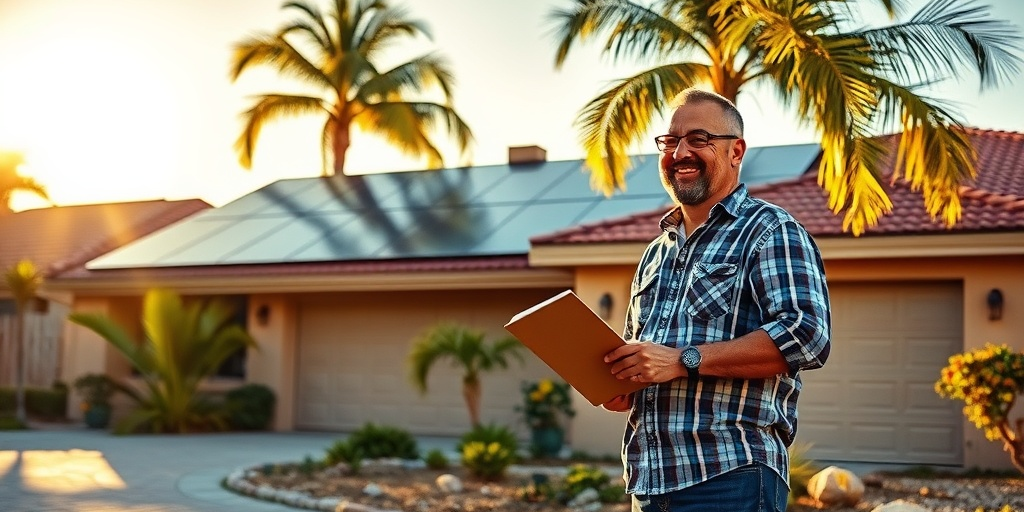
In a sun-soaked state like Florida, harnessing solar power is not just a trend; it’s a necessity for savvy homeowners and businesses. Did you know that the average Florida resident can save up to $24,000 over 20 years by investing in solar energy? Additionally, solar installations in Florida have surged by a staggering 160% in just the last five years (SEIA.org), showcasing an undeniable shift toward sustainable energy. With a projected 22% increase in energy costs anticipated by 2025, the time to invest in solar is now—before the utility bills spike further.
In this comprehensive guide titled “7 Steps to Maximize Your Solar Panel Lifespan”, we will explore essential strategies to enhance your investment and avoid common pitfalls that many Floridians face. Given the rise of incentives for solar installation and the increasing instability of the grid, understanding how to prolong the lifespan of your solar panels is critical. Throughout this article, we will delve into five key sections that will equip you with actionable steps to maximize your system’s longevity and efficiency, starting with the realities of solar energy systems in Florida.
From specific case studies of local homeowners to practical checklists, myth-busting, and technical insights, our mission is to arm you with knowledge to make the best choice for your energy future. Let’s dive into 2025 with confidence, armed with the tools you need to thrive in Florida’s solar landscape.
Understanding the Florida Solar Landscape
Every homeowner wants to protect their investment, but how do you maximize the lifespan of something as significant as solar panels? Here’s a profound case: meet the Martinez family from Orlando. After installing solar panels in 2021, they were optimistic about reducing their electric bills and minimizing their carbon footprint. However, by mid-2022, they noticed a stark degradation in energy production—almost 20% lower than expected. It turned out that improper maintenance and overlooking minor issues had led to premature wear. This serves as a powerful reminder of the delicate balance between investment and ongoing care.
Here’s a checklist to guide you in maximizing your solar panel lifespan:
- Step 1: Regularly Monitor Your Energy Production — Consistently checking your solar system’s output can help identify problems before they escalate.
- Step 2: Keep Panels Clean — Dust, debris, and bird droppings can significantly reduce efficiency; clean your panels at least twice a year.
- Step 3: Inspect Your Inverter — The inverter is the heart of your solar system; ensuring it functions correctly is crucial for maximizing output.
- Step 4: Schedule Professional Maintenance — Regular check-ups with professionals can help spot small issues before they become costly problems.
- Step 5: Understand Your Warranty — Thoroughly review your warranty terms and ensure you’re compliant with any requirements.
Now let’s debunk some common myths surrounding solar panel maintenance in Florida, where misinformation abounds.
Myths and Misconceptions About Solar Panel Lifespan
Even with growing acceptance of solar energy, several misconceptions may cloud your judgment. Let’s address the most common:
- Myth #1: Solar Panels Require No Maintenance — While it’s true they are low-maintenance, neglecting them can lead to losses in efficiency.
- Myth #2: More Sun Equals More Energy — While sunlight is essential, environmental factors like shade, dirt, and panel placement play a significant role in output.
- Myth #3: A Solar Panel’s Lifespan is Just 10-15 Years — Contrary to popular belief, modern solar panels can last 25 years or more with proper maintenance (Energy.gov).
- Myth #4: Solar Energy Can’t Work in Cloudy Conditions — Photovoltaic cells can still produce energy in diffused sunlight, making them effective in cloudy conditions.
- Myth #5: You Can’t Install Solar Panels on a Tile Roof — Many companies specialize in retrofitting solar systems to fit various roof types, including tiles.
Now that we’ve cleared the air, let’s move on to Florida-specific considerations to ensure your solar panels stand the test of time.
Florida-Specific Considerations for Solar Panel Care
To thrive in Florida’s unique climate, you must consider factors like humidity and hurricanes. The state experiences heavy rain and storm seasons that can directly impact solar panel functionality. Take the following steps to mitigate any potential downturn in performance:
- Invest in High-Quality Panels — Quality panels typically come with better durability ratings against severe weather conditions.
- Ensure Adequate Drainage — Make sure there’s proper drainage around your solar array to avoid water buildup that can damage components.
- Utilize Hail-Resistant Technology — Some panels are built to withstand hail impacts; check with your provider for the best options available.
- Take Wind Load into Account — Florida’s hurricanes require a careful evaluation of wind load calculations when installing solar panels.
- Explore Local Incentives — Familiarize yourself with Florida’s solar rebate programs, ensuring your investment is optimized (SolarReviews.com).
Understanding these local nuances not only prolongs your solar panel system but also gives you peace of mind knowing you made an informed decision based on your specific context. Now, let’s move to some expert installation practices that can set up your solar journey for long-term success.
Expert Solar Installation Tips for 2025
One of the most significant factors affecting the lifespan of your panels begins with the installation process. Here are five essential tips to ensure your solar panels are installed correctly from the get-go:
- Consult with a Qualified Installer — Always work with licensed and certified installers who understand Florida’s regulations and best practices.
- Prioritize Orientation and Angle — The ideal south-facing angle can maximize sunlight exposure, increasing energy production.
- Carefully Choose Panel Placement — Avoid areas prone to shading; even a small obstruction can significantly decrease output.
- Consider Roof Condition — Ensure your roof is in good condition before installation; premature replacements can undermine your investment.
- Include Battery Storage Options — In light of increasing grid instability, pairing your solar panels with a battery system can provide additional energy security.
By adhering to these expert tips, you can avoid costly mistakes and ensure a smoother transition to solar energy. Now, we’ll explore a fictional yet realistic solar journey that showcases both challenges and triumphs.
A Florida Homeowner’s Solar Journey
Meet Lisa, a single mother living in Tallahassee. In early 2022, after feeling overwhelmed by her electric bills, she made the decision to invest in solar energy. Although she faced skepticism from friends and family—many doubted its cost-effectiveness—Lisa was determined. Armed with information from reputable sources, she installed solar panels on her home’s south-facing roof. However, the journey wasn’t without hiccups.
Initially thrilled with her energy output, Lisa soon discovered that debris from nearby trees was cutting into her system’s efficiency. Here’s what she learned during her first year:
- Incorporate tree pruning into her maintenance routine.
- Regularly monitor inverter status to catch issues early.
- Attend local solar meetups to exchange maintenance tips with fellow homeowners.
- Keep an eye on advancements in solar technology to explore future upgrades.
Through perseverance and education, Lisa not only saved on utility costs but also became an advocate for solar in her community. Let’s break down some actionable next steps for Florida solar buyers in 2025.
Next Steps for Florida Solar Buyers in 2025
Ready to embark on your solar energy journey? Here’s a straightforward checklist tailored for Florida homeowners:
- Audit Your Electric Bill — Start by understanding your consumption patterns and identifying potential savings.
- Research Local Installers — Get quotes from multiple experienced installers who specialize in Florida’s unique conditions.
- Investigate Financing Options — Explore both federal and state incentives available for solar energy installations.
- Assess Your Property’s Condition — Check your roof and electrical systems to ensure readiness for new solar technology.
- Plan for Maintenance — Develop a regular maintenance schedule to keep your system in optimal condition.
By taking these proactive measures, you’ll be well-prepared for your solar investment. Remember, understanding your choices today can significantly influence your energy costs and security tomorrow.
As we conclude this journey through maximizing solar panel lifespan, it’s vital to remember the impact of each decision you make today. By taking actionable and informed steps, you can not only protect your investment but also contribute to a sustainable future for Florida. Investing in solar energy is a commitment to your family and the earth, ensuring cleaner energy for years to come.
Ready to start your solar journey in 2025? Connect with a certified expert at floridaelectricandsolar.com today.
Related Articles
More insights about Solar Panel

Florida Homeowners: Why Solar Panel Maintenance Is Essential

7 Essential Steps for Solar Panel Installation Success

Expert Insights: Key Factors Influencing Solar Panel Lifespan
Ready to Go Solar?
Have questions about solar energy? Our experts are here to help you make the switch to clean, renewable energy.