
7 Essential Steps to Maximize Your Solar Panel ROI
Share:
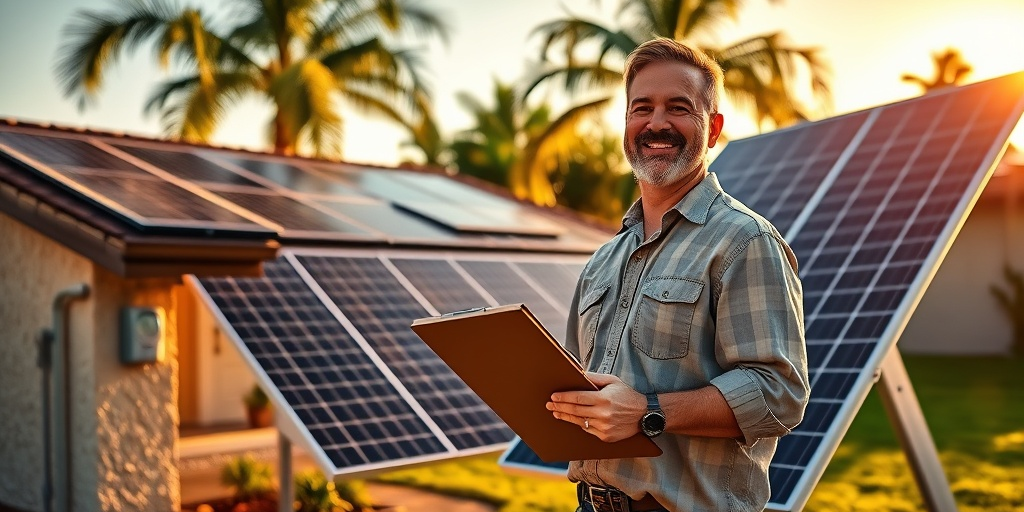
As the sun rises over the vibrant streets of Florida, many homeowners are waking up to a new reality: a reality where initial skepticism about solar energy is being replaced by excitement for the future. Did you know that Florida ranks among the top states for solar energy production, generating more than 3,200 megawatts of solar capacity as of 2023? That’s enough to power hundreds of thousands of homes! Yet, despite such promising statistics, many homeowners remain unsure about how to maximize their solar panel investments. This is where our article, 7 Essential Steps to Maximize Your Solar Panel ROI, steps in.
As we venture into 2025, the urgency to address energy costs has never been higher. Rising electricity prices and attractive federal incentives make now the perfect time to harness solar power. With numerous advancements in technology and financing options, investing in solar panels can lead you to considerable savings, not only on your electric bill but also on your overall household budget. In fact, studies show that solar homeowners can save an average of $20,000 over 20 years, underscoring the financial benefits of solar energy (Energy.Gov).
In this article, we’ll guide you through seven essential steps. First, we’ll delve into a case study illustrating the successes of solar panel investments. Next, we’ll provide a comprehensive checklist of actionable steps you can take right now. Following that, we will bust common myths surrounding solar energy that may hold you back from making the leap. We’ll then focus on Florida-specific data and regulations that specifically apply to our state, before concluding with a deep dive into the technical aspects of solar energy systems. We aim to arm you with the knowledge necessary to make an informed decision, maximizing your solar panel ROI effectively.
Investing in Solar: A Case Study of Success
Mark and Laura, a young couple from Miami, decided to explore solar energy as their electric bills continued to climb. Initially, they were skeptical about the upfront costs and efficacy of solar panels, but after extensive research and consultations, they took the plunge. Thanks to a combination of federal tax credits and state incentives, they were able to significantly reduce their initial investment.
Post-installation, Mark and Laura noticed a considerable decrease in their power bills. They leveraged energy-efficient appliances in tandem with their solar panels, leading to an even larger reduction in energy consumption. In just three years, they had already recouped about 60% of their upfront costs and were on track to fully recover their investment within seven years (SolarReviews.com). This empowering narrative highlights not only the financial benefits of solar energy but also the emotional peace of mind that comes with energy independence.
- Check Your Roof’s Condition: Prepare for installation by ensuring your roof is in proper shape. Whether it’s an older structure or recently remodeled, maintaining a sturdy roof is crucial to support the solar system.
- Evaluate Solar Incentives: Research local and federal solar incentives that can help recoup installation costs. 30% federal tax credits are just the beginning; many Florida utilities offer additional incentives (SEIA.org).
- Choose the Right Installer: Not all solar installers are created equal. Look for certified professionals with a strong track record of successful installations and customer service.
Late in their journey, Mark and Laura found themselves receiving monthly checks back from their utility company due to net metering—a legislation in Florida that allows them to receive credit for excess energy produced (DSIREUSA.org). As they now rave about their solar panels, they inspire their friends and family to assess their energy options. It’s clear: transitioning to solar power not only transformed their finances but also their lifestyle.
The lessons from Mark and Laura’s experience can guide you through the steps to maximize your own solar panel ROI. As we compile our checklist below, remember that maximum ROI in solar is achieved through informed decisions combined with timely actions.
Checklist to Maximize Your Solar Panel ROI
Here’s a detailed checklist tailored to ensure you get the most out of your solar panel investment:
- Step 1: Have a Comprehensive Audit of Your Energy Needs
Start by analyzing your energy consumption over the past year. This information will help determine the right size of the solar array required to meet your needs. Look at your electricity bills to uncover patterns, which will also stimulate conversations with your installer about expected energy output. - Step 2: Research Your Financing Options
Explore diverse financing solutions. Whether outright purchase, financing, or leasing, calculate the full costs over time and potential savings. With options such as performance-based incentives, your choice can significantly influence your ROI. - Step 3: Optimize Panel Placement
The angle and orientation of solar panels drastically affect their efficiency. In sunny Florida, panels should ideally face south to maximize sunlight exposure during the day. Work collaboratively with your installer to ensure panels capture the ideal amount of sunlight. - Step 4: Invest in Batteries
Pairing your solar panels with energy storage solutions like batteries means you can store excess energy for nighttime use, maximizing your savings and reducing reliance on the grid. This is central as power outages occur occasionally in Florida hurricanes. - Step 5: Regular Maintenance and Monitoring
Finally, maintain your solar system. Though solar panels have low maintenance needs, regular inspections ensure optimal functioning. Use monitoring systems to track performance and discover issues proactively.
By following this checklist, you not only commit to your solar investment but also actively work towards maximizing your overall savings. To explore more about how Florida homeowners can optimize their solar investments, visit floridaelectricandsolar.com.
Myths Perspectives on Solar Power Debunked
Despite its undeniable benefits, myths about solar energy persist, influencing potential adopters’ decisions. Here, we debunk these commonly held beliefs:
- Myth #1: Solar Panels are Too Expensive
While upfront costs can seem daunting, various financing options and tax incentives significantly lower overall expenses. With the average ROI spanning 6-8 years, the long-term savings far outweigh initial investments (Energy.Gov). - Myth #2: Solar Systems are Inefficient in Cloudy Weather
Florida’s sunny climate ensures significant energy generation—even on cloudy days! Modern solar technologies are designed to harness and convert even indirect sunlight effectively. - Myth #3: Home Values Don’t Increase with Solar Installing
Multiple studies indicate that homes with solar panels see property value increases of approximately 4%. Thus, while going solar saves on electricity, it also adds value to your biggest investment—your home (NREL.gov). - Myth #4: You Can’t Install Solar if You Move or Rent
Programs exist for renters and those looking to relocate, including leasing solar systems and community solar farms. Flexibility in owning solar power is essential in today’s mobility-focused society. - Myth #5: Solar Panels Require Plenty of Space
Advances in solar panel technology allow them to generate substantial power even in smaller spaces. Your installer can recommend the right system configuration to suit your available rooftop area.
These myths can cloud the path to solar adoption. However, gaining clarity through fact-based information is crucial for making empowered decisions in your energy journey.
Local Insights: Florida-Specific Data for Solar Savvy
Understanding Florida-specific regulations and incentives is pivotal for solar success in our state. Here are vital insights to consider:
- Net Metering Laws: Florida utilities must credit homeowners for excess energy they supply back to the grid. This incentivizes homeowners to produce as much energy as possible, maximizing savings (Florida Department of Agriculture and Consumer Services).
- Local Incentives: Various counties and cities within Florida offer additional perks for adopting solar, including property tax exemptions and rebates that can significantly decrease installation costs.
- Resilience in Hurricanes: Installing solar power systems that meet county regulations enhances resilience to power outages during hurricanes, a concern in our Floridian climate.
- Solar Co-ops: Explore joining co-ops with neighbors! These collectives reduce costs for residents by pooling purchasing power for solar installations.
Equipped with these Florida-specific insights, homeowners can empower their decision-making process, ensuring they maximize solar benefits while understanding local environmental factors. Local regulations and incentives can play a significant role in your overall savings as a Florida resident.
Technical Deep-Dive: Understanding Your Solar System
Having grasped how to maximize your solar ROI, let’s delve deeper into the technical aspects of solar power to ensure you have a comprehensive understanding of your investment:
- Types of Solar Panels: Familiarize yourself with different solar panel types—monocrystalline, polycrystalline, and thin-film. Each boasts distinct efficiencies, costs, and space requirements. Choose carefully, based on your energy needs and budget.
- Inverters: The inverter is crucial to the solar power system, converting DC electricity from solar panels into AC electricity for home use. Depending on your energy consumption patterns, you might opt for a string inverter or microinverters.
- Battery Storage Systems: Evaluate battery systems that work best with your solar setup. Don’t underestimate the importance of securing energy independence and reliability when the grid is down.
- Utility Billing Structures: Acquaint yourself with how your utility provider bills and credits your solar energy usage. Understanding net metering and time-of-use rates can help further solidify your future savings.
By fully comprehending your system’s components and their functions, you’ll cultivate a nuanced perspective of your solar investment. This technical knowledge will bolster your confidence during your solar journey.
Next Steps for Florida Solar Buyers in 2025
With knowledge in hand, here’s your actionable plan to embark on your solar journey:
- Audit Your Electric Bill:
Review the last 12 months of bills to calculate monthly averages and patterns in usage. This is essential in determining your ideal solar panel system size. - Consult with Experts:
Talk to experienced solar consultants and local installers to comprehend your options and the installation process thoroughly. - Apply for Available Incentives:
Take the time to identify and secure potential savings through federal and state incentives. Many utilities streamline application processes. - Plan for Resilience:
Choose a system that not only meets your current energy demands but also allows for future expansions or integrates battery systems for additional security. - Regular Checkups:
Establish a periodic maintenance schedule with your solar installer to ensure long-term efficiency. Monitor your solar system’s production through apps and check if repairs are needed.
Follow these next steps diligently to put into action the knowledge imparted throughout this article. Committing to solar energy opens up a new realm of possibilities for becoming an energy-wise Florida homeowner.
In conclusion, the shift towards solar energy is as much a necessity as it is an opportunity. By educating yourself on the journey ahead and embracing technologically advanced solar solutions, you can significantly reduce energy expenditures, lessen your environmental footprint, and enhance the value of your property. As energy prices are projected to increase further by 10% in the next five years, the urgency to act has never been clearer (Energy.gov).
Ready to start your solar journey in 2025? Connect with a certified expert at floridaelectricandsolar.com today.
Related Articles
More insights about Solar Panel

Florida Homeowners: Why Solar Panel Maintenance Is Essential

7 Essential Steps for Solar Panel Installation Success

Expert Insights: Key Factors Influencing Solar Panel Lifespan
Ready to Go Solar?
Have questions about solar energy? Our experts are here to help you make the switch to clean, renewable energy.