
7 Essential Steps to Navigate Solar Panel Installation
Share:
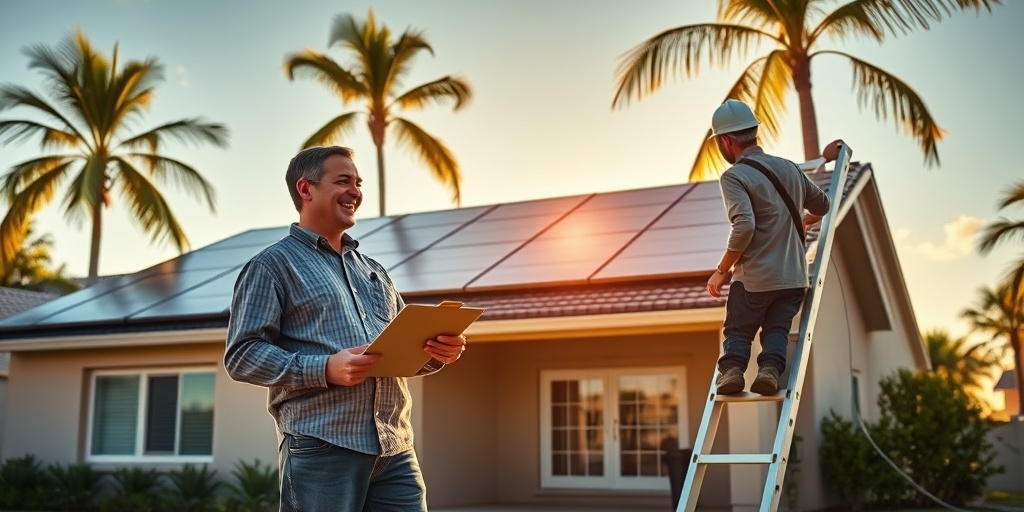
As the sun shines brightly over the beautiful landscapes of Florida, many homeowners are beginning to rethink their energy sources. Did you know that solar energy has become a major player in the Sunshine State? In fact, Florida currently ranks third in the U.S. for installed solar capacity, boasting over 7,000 megawatts of solar energy (SEIA.org). With energy costs expected to jump by nearly 20% in 2025, it’s an opportune time for residents to explore sustainable options (Energy.gov). This brings us to today’s focus: 7 Essential Steps to Navigate Solar Panel Installation. Making the decision to go solar not only helps combat rising energy costs but also elevates your property value and contributes to a cleaner environment. But how do you embark on this fulfilling journey while maximizing your savings? This blog will guide you through this essential checklist to ensure you’re fully prepared for solar panel installation. You’ll learn about real homeowner experiences, actionable steps, common myths, Florida-specific guidelines, technical considerations, and a strategic action plan. Let’s dive in!
Case Study: The Solar Success Story of a Florida Homeowner
Meet Sarah, a Florida resident who moved into her dream home in St. Petersburg two years ago. Like many homeowners, Sarah was overwhelmed by the rising electric bills that came with living in sunny Florida, especially during peak summer months. Dreaming of a solution, she turned to solar energy. But where to begin? It was the moment she found Florida Electric & Solar’s website that the clouds lifted. Here, she found a comprehensive checklist and expert advice that led her through the process, transforming her apprehension into empowerment.
With a clear checklist in hand, Sarah took the first crucial step: conducting an energy audit of her home. She discovered that her monthly electric bill was significantly higher than average for her area, largely due to excessive energy consumption. Armed with this information, she approached several solar companies for quotes but was careful to consider recommendations and reviews. After comparing options, she opted for a local installer known for their specialized knowledge in Florida solar incentives.
As the installation day arrived, the excitement was palpable. The solar panels were installed on her roof, optimized for maximum sunlight exposure, and connected to a micro-inverter system that allowed for greater efficiency. This technological investment paid off quickly; within the first few months, Sarah’s electric bill was reduced by over 40%. By year-end, her solar power system provided a 25% annual return on investment, coupled with Federal tax benefits that further decreased the cost (Energy.gov). Now, Sarah not only enjoys reduced bills but also takes pride in contributing to a sustainable future.
Sarah’s journey emphasizes the importance of understanding the dynamics of solar panel installation in Florida. It should serve as an inspiration, proving that going solar is more than a utility choice; it’s a pathway to energy independence, sustainability, and financial savings.
Ready to embark on your solar journey? Here are the 7 Essential Steps to Navigate Solar Panel Installation:
- Step 1: Conduct a Home Energy Audit.
- Step 2: Research Solar Installation Options.
- Step 3: Compare Quotes and Evaluate Providers.
- Step 4: Understand Local Incentives and Financing.
- Step 5: Assess System Requirements and Install.
- Step 6: Connect with your Utility Provider.
- Step 7: Monitor and Maintain Your Solar System.
Transitioning towards solar power has numerous benefits, and as we advance, each step will help simplify the process into manageable segments, ensuring you earn savings while securing a brighter, cleaner future.
Your Essential Solar Installation Checklist
Ready to break down the solar panel installation process into actionable steps? Here’s your guideline to navigate the often complex journey of becoming a solar homeowner, helping ensure you maximize your savings at every turn.
- Step 1: Conduct a Home Energy Audit
An energy audit helps identify areas of energy waste and offers recommendations for savings. You may accomplish this yourself or hire a certified professional. Understanding your energy consumption habits will help you choose the right solar system for your needs.
- Step 2: Research Solar Installation Options
Look for qualified, reputable solar installers with solid customer reviews and verified installations within your community. Make use of platforms like SolarReviews.com, where you can compare feedback on different providers. Focus on local experts, as they are well-versed in Florida policies and incentives.
- Step 3: Compare Quotes and Evaluate Providers
Obtain multiple quotes from different solar installation companies. Compare the quality of products, warranties, installation timelines, and overall costs. Don’t hesitate to ask for references; credible companies will gladly share customer testimonials.
- Step 4: Understand Local Incentives and Financing
Utilize available resources to learn about incentives such as the Federal Solar Tax Credit and state rebates. In Florida, property tax exemptions on solar installations can significantly enhance your savings (DSIREUSA.org). Explore loan options and leasing agreements that work for your financial situation.
- Step 5: Assess System Requirements and Install
Evaluate your roofing type and whether your home can support solar panels. Inspect for any necessary upgrades before installation, ensuring your roof is intact and designed for efficient energy collection. Once you’re clear on these factors, schedule the installation with your selected provider.
- Step 6: Connect with your Utility Provider
Engage with your utility company to discuss net metering options, which allows you to receive credits for excess energy produced. This crucial step ensures your panels are integrated effectively with the local grid, safeguarding your investment.
- Step 7: Monitor and Maintain Your Solar System
Regularly check the performance of your solar system using monitoring tools provided by your installer. Proactive maintenance, including cleaning panels and inspections, will maximize efficiency and ensure longevity.
By following these essential steps, you’ll empower yourself to make informed decisions that lead to significant savings and increased energy independence.
Myth-Busting Common Solar Misconceptions
With the rise of solar energy interest, numerous myths circulate that can deter potential buyers. Let’s debunk some common misconceptions that may be holding you back from embracing solar power.
- Myth #1: Solar Panels Are Too Expensive
While initial costs can be daunting, the long-term savings significantly offset this. Many states, including Florida, offer incentives that reduce installation costs, and financing options can further ease upfront burden.
- Myth #2: Solar Energy Isn’t Reliable
Florida’s climate maximizes solar energy potential. The state enjoys bright sunny days almost year-round, making solar systems exceptionally effective. Even during cloudy weather, solar panels continue to produce electricity.
- Myth #3: Solar Panels Require Constant Maintenance
Solar panels are designed for durability and typically require minimal upkeep. A simple cleaning a few times a year and regular system checks will help maintain their efficiency.
- Myth #4: You Need to Go Off-Grid to Benefit from Solar
Many homeowners benefit from grid-tied solar systems, allowing them to stay connected while benefiting from reduced electricity bills and net metering credits. Going off-grid is rarely necessary or more beneficial in Florida’s energy landscape.
- Myth #5: It’s Too Late to Go Solar
The solar market is continuously evolving, with technology advancements and growing incentives. It’s never too late to invest in solar energy; waiting could mean missing out on valuable savings in the coming years.
By debunking these myths, you can approach your solar journey with clarity, removing the uncertainties that can cloud informed decision-making.
Local Focus: Why Florida is Ideal for Solar Power
As you consider solar, it’s essential to understand why Florida stands out as one of the top locations for solar energy adoption. Here’s what makes Floridians uniquely positioned for solar:
- Abundant Sunshine: With an average of over 237 sunny days annually, Florida is aptly nicknamed the Sunshine State. This natural resource creates ample opportunities for solar energy production.
- State Incentives: Florida has implemented programs, such as the Property Assessed Clean Energy (PACE) program, to finance energy-efficient upgrades, including solar installations (DSIREUSA.org). These programs are designed to make going solar more attainable.
- Growing Demand: As more residents become environmentally conscious, the demand for solar energy systems is soaring, encouraging stimulating competition among local installers. This results in better options and pricing for consumers.
- Community Support: Many Florida communities are becoming invested in renewable energy initiatives, creating a favorable environment for solar development. Local groups advocate for clean energy, pushing for policies that support solar growth.
- Educational Resources: The availability of local workshops, webinars, and support networks fosters a well-informed public. Resources can guide potential buyers through their solar journey, creating a knowledgeable community.
Florida residents possess various advantages, making it an ideal state for solar energy. By capitalizing on these benefits, you’ll be joining a growing movement toward sustainable living.
Action Plan: Next Steps for Florida Solar Buyers in 2025
Congratulations on reaching this point in your solar journey! You now possess valuable knowledge; it’s time to take action. Here’s your straightforward roadmap to moving from consideration to installation:
- Step 1: Audit Your Electric Bill
Start by reviewing your monthly electric bills for the last year to understand your energy usage patterns. Summarizing this data will help tailor your solar installation effectively.
- Step 2: Research Local Installers
Take the time to research at least three local solar installation companies. Read customer reviews, ask for portfolio examples, and verify their licenses to ensure you engage with a reputable provider.
- Step 3: Schedule Free Consultations
Most solar providers offer free consultations. Use this time to ask questions about their services, product warranties, financing options, and the anticipated electricity savings from their systems.
- Step 4: Explore Financing Options
Discuss financing options with your chosen companies, including loans, leases, or pay-per-kWh agreements. Take time to find the ideal financing structure that suits your financial capacity.
- Step 5: Follow Through with Installation
Once you’ve made a well-researched decision, finalize your installation appointment. Make preparations for your roof inspection and schedule the setup at a convenient time.
- Step 6: Register Your System
After installation, ensure that you register your solar panels with local governing bodies and connect with your utility provider to establish net metering arrangements.
- Step 7: Enjoy Long-Term Savings
With your solar system in place, monitor its functionality and enjoy the savings on your energy bills while contributing positively to the environment.
By following these actionable steps, you’ll eliminate any disorientation and accelerate your journey towards making an informed solar investment.
Conclusion: Your Solar Future Awaits
Reflecting on these pivotal steps, it’s clear that navigating solar panel installation requires not only research but calculated actions. Your journey from skeptical homeowner to engaged solar advocate starts here. As global energy trends shift, becoming a part of Florida’s thrumming solar movement could usher in significant cost savings and up your home’s value. The world of solar power holds immense potential for your family’s future, financial health, and the environment.
Evoking change isn’t easy, but with the right steps, the transition becomes smooth. The urgency to embrace clean energy grows as 2025 approaches, and each action you take brings you closer to independence and sustainability. So the question remains—are you ready to start your solar journey in 2025? Connect with a certified expert at floridaelectricandsolar.com today!
Related Articles
More insights about Solar Panel

Florida Homeowners: Why Solar Panel Maintenance Is Essential

7 Essential Steps for Solar Panel Installation Success

Expert Insights: Key Factors Influencing Solar Panel Lifespan
Ready to Go Solar?
Have questions about solar energy? Our experts are here to help you make the switch to clean, renewable energy.