
7 Critical Steps for a Seamless Solar Panel Installation
Share:
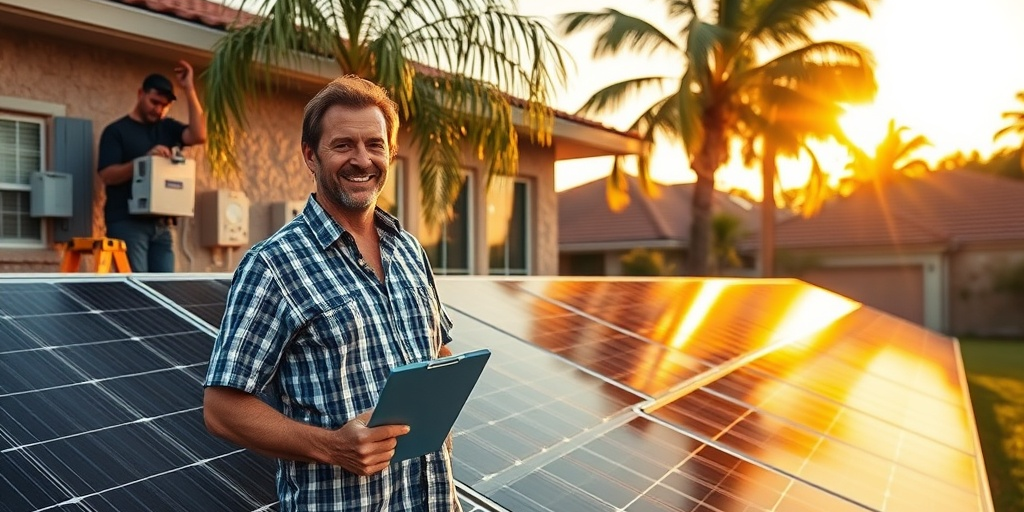
As the sun sets in Florida, casting a warm glow over the sunshine state, did you know that nearly 10% of Floridians have chosen to harness that radiant energy through solar power? This growing trend isn’t just a matter of personal preference—it’s a profound shift in how we perceive energy consumption and sustainability. What if I told you that a single decision to install solar panels can lead to utility bill savings of upwards of 50%? This is the reality for many homeowners across the state. In our blog titled 7 Critical Steps for a Seamless Solar Panel Installation, we will guide you through essential steps that not only streamline the process but also ensure optimal performance and savings for your home. The urgency of this topic has never been more pronounced, especially as electric prices rise and the future of our grid remains uncertain. With new incentives and a robust market growing in 2025, there’s no better time to take action. Here’s what’s in store for you: a detailed review of real-world case studies, a clear checklist for installations, myth-busting common misunderstandings, a local focus on Florida’s unique landscape, and an in-depth technical deep dive into solar systems.
Why Solar? Understanding the Basics
Before we delve into the critical steps for a seamless solar panel installation, it’s essential to establish why going solar is not just a choice but a necessity. With Florida’s average electricity costs rising significantly, the demand for renewable energy sources has surged. In 2021 alone, Florida homes saved an estimated $73 million by switching to solar (SEIA.org). Furthermore, the state ranks third in the nation for installed solar capacity, highlighting its burgeoning potential for homeowners seeking energy independence.
A recent report showed that with many Floridians investing in solar, the average savings span between $20,000 and $60,000 over the lifespan of a solar system (NREL.gov). Such staggering figures underline the importance of making informed decisions when transitioning to solar energy. Now, let’s embark on our journey toward a seamless solar installation with a comprehensive examination of the seven critical steps.
The Case for Solar: A Heartfelt Story
Let’s kick off our checklist by sharing the story of the Martinez family, Florida native homeowners who were anxious about rising energy bills as summer approached. After discussing solar options with their neighbors, they decided to investigate solar panel installation. Prior to the installation, they paid an average of $250 monthly for electricity, which took a significant toll on their finances. Following their leap of faith into solar power, here’s how the process unfolded:
- Step 1: Energy Audit – The Martinezes had their home energy audited to identify areas of high energy consumption. This established a baseline for the system size they would need.
- Step 2: Educate Themselves on Financing – They reviewed various financing options, including federal tax credits and state incentives that made the installation more affordable (DSIREUSA.org).
- Step 3: Choose the Right Installer – The family diligently compared local solar providers, ultimately choosing Florida Electric & Solar who provided the best warranty and customer service experience.
- Step 4: Permitting and Installation – They worked hand-in-hand with their installer to ensure permits were secured and the installation went off without a hitch.
- Step 5: System Monitoring and Maintenance – Post-installation, the Martinezes used an online monitoring dashboard to keep track of their energy generation, resulting in immediate understanding of their system’s performance.
Now, they enjoy an average monthly electric bill of just $50, a savings of $200 per month compared to their previous bills!
Critical Installation Checklist
Step 1: Research and Compare – Conduct thorough research on different solar technologies. Compare services and warranties from various providers to understand the best fit for your needs. Don’t forget to check customer reviews and local recommendations.
Step 2: Financial Planning – Explore financing options. Studies have shown that over 80% of Florida homeowners utilize financing plans to ease up-front costs (SolarReviews.com). Understand available federal and state incentives and be aware of the timeline to secure them.
Step 3: Site Assessment – Schedule a site survey with your installer to evaluate your home’s solar viability. Factors such as roof condition, age, and shading from trees or other structures will impact overall efficiency.
Step 4: Permitting and Approval – Work closely with your selected installer to ensure all necessary permits are filed efficiently. This avoids delays and unnecessary costs.
Step 5: Installation Day – Ensure you are available on the installation day to ask questions and understand the process. The monitoring system’s setup is crucial to track your solar output.
By following these critical steps, you can position yourself to maximize utility bill savings while ensuring optimal performance throughout your solar journey.
Debunking Solar Myths: What You Should Know
As solar installations become more prevalent, a range of myths cloud the public’s perception about solar energy. Let’s debunk some of these myths to clarify your path to solar.
Myth #1: Solar Panels Only Work in Sunny Weather
This is a common misconception. Solar panels can generate electricity even on cloudy days—up to 25% of their typical output. With Florida’s consistently sunny weather, you can actually harness more solar energy than many other states.
Myth #2: Installation Requires a Major Upfront Investment
While there is an upfront cost, many financing options exist, such as leasing and power purchase agreements. The benefits typically outweigh the initial outlay. For many homeowners, financing leads to immediate savings (solar.com).
Myth #3: Solar Energy Is Bad for the Environment
In fact, solar energy reduces reliance on fossil fuels and significantly lowers carbon emissions, making it a green choice. The environmental benefits strongly outweigh the initial manufacturing impacts of panels.
Myth #4: Solar Panels Decrease Property Value
On the contrary, numerous studies reveal that solar installations can increase home value by as much as 4% on average (Appraisal Institute). Many prospective buyers look positively on homes with solar adoption.
Best Practices to Maximize Your Solar Energy Investment
Successfully installing solar panels demands not only a clear understanding of the steps involved but also an adherence to best practices to optimize your system’s performance. Here are five crucial tips that will have a positive impact on your solar journey:
- Panel Placement Matters – Don’t skimp on where you place your solar panels. Ideally, they should face due south and be tilted at an angle to maximize direct sunlight exposure.
- Utilize Battery Storage – With battery storage systems, you’re able to save energy produced during the day for use at night or cloudy days.
- Monitor Your Energy Production – Make use of monitoring tools provided by your installer to track your system’s output. This can help identify underperformance early and potentially savings lost.
- Ensure Regular Maintenance – Schedule annual inspections for your solar system to ensure it’s functioning optimally, as minor issues can lead to significant losses over time.
- Stay Updated on Regulations – Be proactive about changes in state and federal incentives as evolving policies can provide ongoing benefits.
Florida Solar Context: What You Need to Know
The solar market in Florida is not just expanding; it’s evolving to meet the demands of a cleaner energy future. By 2025, experts project a 25% increase in homeowners opting for solar (SEIA.org). This uptick is fueled by increasing electricity costs and a growing awareness of alternative energy sources. Furthermore, the availability of significant state rebates, such as the Solar Energy System Incentive Program, provides financial assistance to those who commit to going solar.
One of the key determining factors influencing solar adoption is net metering, which allows homeowners to sell excess energy back to the grid. This initiative not only helps offset installation costs but also helps create a decentralized energy market aiding the overall system resilience.
Next Steps for Florida Solar Buyers in 2025
As you tread the path toward solar energy, understanding that the journey requires actionable steps is crucial. Below is a structured action plan to guide your decisions in 2025:
- Audit Your Electric Bill – Start by analyzing your last 12 months of electricity usage, including costs and peaks, to establish a baseline, ensuring precise sizing of your solar system.
- Research Solar Options – Investigate local Florida solar providers, comparing customer feedback and the warranties they offer to maximize peace of mind.
- Explore Financing Options – Whether it’s through loans, credits, or incentives, understanding financial options can reduce upfront investments to pursue solar energy.
- Engage in Consultations – Meet with multiple solar providers to discuss your needs and their offerings. Their expertise will guide you through upcoming trends and technologies.
- Schedule Your Installation – Once ready, coordinate with the installation team. Remain engaged during this process, asking questions and ensuring a thorough installation.
Conclusion: Power Your Future with Solar
The benefits of taking this solar journey extend far beyond mere financial savings; they’re about crafting a sustainable future for your family, community, and the environment. The urgency to act grows, with skyrocketing energy prices and ongoing developments in solar technology that can position you ahead of the curve.
By following the 7 Critical Steps for a Seamless Solar Panel Installation, you empower yourself with knowledge to maximize savings and efficiency in 2025 and beyond. Embrace the shift toward sustainable energy and reduce your carbon footprint, improving our planet for future generations.
Ready to start your solar journey in 2025? Connect with a certified expert at floridaelectricandsolar.com today.
Related Articles
More insights about Solar Panel

Florida Homeowners: Why Solar Panel Maintenance Is Essential

7 Essential Steps for Solar Panel Installation Success

Expert Insights: Key Factors Influencing Solar Panel Lifespan
Ready to Go Solar?
Have questions about solar energy? Our experts are here to help you make the switch to clean, renewable energy.