
7 Essential Steps for Solar Panel Installation Success
Share:
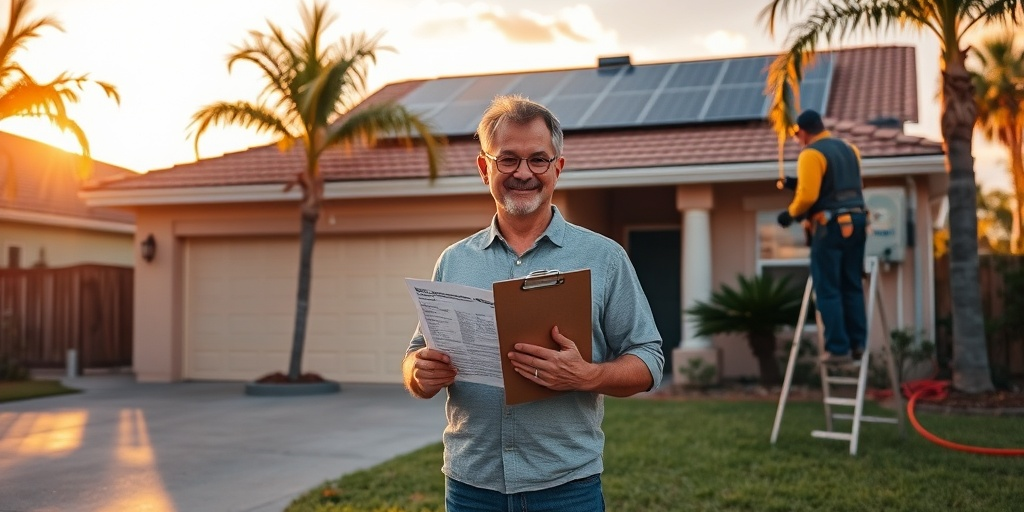
Did you know that solar energy is projected to account for 20% of Florida’s electricity generation by 2040? As Florida homeowners look for innovative ways to cut rising energy costs, the importance of solar power only continues to grow. With new advancements and incentives rolling out in 2025, the window of opportunity for homeowners and commercial property owners to invest in solar energy is more promising than ever. In this article titled 7 Essential Steps for Solar Panel Installation Success, we will guide you through the crucial steps necessary to ensure a smooth and successful installation of solar panels at your property. The need for sustainable energy sources is urgent—especially in a state like Florida, where we see a consistent rise in energy demand and associated costs. By understanding the essential steps for solar panel installation success, you can maximize your solar investment while contributing to a cleaner environment.
To support your journey into solar energy, this comprehensive guide will cover the following five sections:
- Case Study: A real-life account of a Florida homeowner’s transition to solar energy.
- Checklist: A structured step-by-step framework to follow throughout the installation process.
- Myth-Buster: Debunking common misconceptions surrounding solar panels.
- Local Focus: Tailoring your solar approach to the unique characteristics of Florida.
- Technical Deep-Dive: Understanding the particulars of solar technology and policies.
This article aims to educate you, demystify the process, and pave the way toward making the right decisions for your solar investment. Let’s get started!
Understanding Florida’s Solar Landscape: A Case Study
Meet Megan and John, a couple living in the sunny suburbs of Orlando, Florida. After experiencing skyrocketing electric bills in the summer months, they knew they needed to make a change. The couple initiated their research into solar energy and found that the average residential solar system can reduce electricity bills by approximately 50-70%, depending on the home’s energy usage and the size of the installed system (Energy.gov). With this knowledge in hand, they decided to embrace the solar revolution.
This journey is not just about saving money; it’s about securing a sustainable future. According to a report from the Solar Energy Industries Association (SEIA), Florida ranks among the top states for solar installations, ranking fourth overall due to its favorable climate and net metering policies (SEIA.org).
To ensure they were taking the right steps, Megan and John created a solar installation checklist to guide them through the process:
- Step 1: Assess Your Energy Needs – They evaluated their current electricity consumption by reviewing their past energy bills.
- Step 2: Explore Financial Options – They looked into tax credits and financing options available to Florida homeowners, such as the 26% federal solar tax credit effective until the end of 2022.
- Step 3: Research Local Companies – They investigated Florida-based solar companies to gauge their reputation and services.
- Step 4: Schedule a Consultation – Megan and John reached out to multiple solar installers for quotes and system recommendations.
- Step 5: Monitor Your Installation – They remained actively involved throughout the installation process, asking questions and ensuring everything met their expectations.
This case study demonstrates that with meticulous planning, homeowners can efficiently navigate the solar panel installation process. By adhering to specific steps, they were able to cut their electric bill and invest in their home’s future.
As you begin your solar journey, remember that understanding your unique energy consumption patterns and doing your homework on local incentives and installers is key. It sets the stage for a successful solar panel installation!
Your Essential Solar Panel Installation Checklist
For Florida homeowners considering solar power, having an organized checklist is paramount for installation success. In this section, we provide a structured overview of the essential steps you should follow. Take note of these critical actions:
- Step 1: Audit Your Energy Consumption
Your first task is to evaluate your energy needs. Review past utility bills to determine your average monthly usage. This will help in sizing the solar system you need. For context, the average Florida home consumes about 1,100 kWh of electricity per month (SolarReviews.com). - Step 2: Research Your Financing Options
Investigate the financial incentives available. Florida homeowners can benefit from property tax exemptions for solar energy systems. Additionally, consider financing options offered by local solar companies that provide low-interest loans and flexible terms. - Step 3: Identify Potential Installers
Find local solar installers with strong customer reviews and proven track records. Look for certifications such as the North American Board of Certified Energy Practitioners (NABCEP). Focusing on Florida-based solar companies ensures that they understand local regulations and climate considerations. - Step 4: Schedule Quotes and Consultations
Contact multiple installers to request quotes and consultations. Share your energy usage data and preferences to receive tailored proposals. This is also the best time to ask about warranties, installation timelines, and post-install maintenance. - Step 5: Finalize Your System Design
Once you have received proposals, work with your chosen installer to finalize the system specifics. Ensure that they calculate expected savings, account for potential shading issues, and recommend optimal panel placements. - Step 6: Obtain Necessary Permits
Your installer will help you apply for necessary permits and approvals from local authorities. This often includes building permits, electrical permits, and interconnection agreements with your utility provider. - Step 7: Installation Day!
On the day of installation, your chosen solar team will arrive and begin setting up your system. Keep your lines of communication open by asking questions and ensuring you’re comfortable with the process. - Step 8: Monitor System Performance
After installation, maintain a regular check on the energy production and efficiency of your solar panels. Most systems come with monitoring tools to track performance, giving you insights into the effectiveness of your solar investment.
This checklist is your roadmap to solar panel installation success! Each step plays a crucial role in maximizing savings and ensuring a smooth process. Don’t forget to explore local incentives, such as rebates or grants available through the state of Florida. You can learn more at floridaelectricandsolar.com.
Myth-Buster: Common Misconceptions About Solar Energy
When it comes to solar energy, many misconceptions persist, and these myths can deter potential adopters. Let’s debunk some of the most widespread beliefs surrounding solar panel installations:
Myth #1: Solar Panels Only Work in Direct Sunlight
Many believe solar panels will only generate electricity when the sun is shining brightly. However, modern solar technology enables panels to capture sunlight even on cloudy days, producing energy efficiently in indirect sunlight (NREL.gov).
Myth #2: Solar Energy is Too Expensive
While solar installation costs were once a barrier, prices have fallen dramatically in recent years. With federal tax incentives and various financing options, many homeowners find solar energy installations more affordable than they had initially thought. In fact, solar systems can pay for themselves through energy savings over time.
Myth #3: Solar Panels Require a Lot of Maintenance
Solar panels are relatively low maintenance. Typically, they only need routine cleaning and occasional inspections. Most solar systems come with warranties and monitoring systems, which help keep track of their performance over the years.
Myth #4: Installing Solar Panels Will Decrease Your Home’s Value
In reality, homes with solar energy systems often sell for more than similar homes without solar. Forbes reported that homes with solar panel systems command higher prices in the market, making your investment more economically beneficial (Forbes.com).
Myth #5: You Won’t Save Money Without Battery Storage
Although battery storage can enhance energy independence, it is not necessary for all homeowners. Many Florida homeowners rely on net metering, which allows them to sell the excess energy they generate back to the grid—greatly lowering their electric bills without the need for batteries.
Understanding these nuances is essential as you navigate the solar energy landscape. Knowledge is power, and overcoming these myths empowers you to take action. If you want to learn more about solar energy solutions specific to Florida, consider visiting floridaelectricandsolar.com.
Local Focus: Tailoring Your Solar Approach for Florida
Florida’s unique climate and policies necessitate an informed approach to solar energy. Understanding the state’s specific incentives, regulations, and weather patterns can significantly impact your solar panel installation success. Here are several points to consider:
- Incentives: Florida offers the Florida Power & Light Company’s Solar Rebate Program, helping residential and commercial customers offset installation costs.
- Net Metering: The state allows homeowners to benefit from net metering, which can subsidize utility bills by selling back excess energy generated during sunny days.
- Climate Considerations: Florida’s humidity and heat can challenge panel efficiency. Choose higher-quality panels and proper installations to ensure durability and optimal performance.
With the average installation cost for a residential solar system in Florida around $2.77 per watt, understanding the nuances of the local market can help homeowners maximize their solar investment (SolarReviews.com).
Please consider that Florida has experienced increasing energy demands as the population grows. The state’s effort to expand solar systems can ease the pressure on its electricity grid, leading to more sustainable energy sources that benefit the entire community.
Taking advantage of Florida-specific policies and incentives can position you ahead of the curve in the ever-increasing demand for solar energy solutions.
Technical Deep-Dive: Understanding Solar Technology and Policies
For those interested in the technicalities of solar technology, there is much to uncover regarding how solar panels work, what components comprise solar energy systems, and the policies that affect your investment. Here’s a breakdown that will guide you through this technical terrain:
- How Solar Panels Work: Solar panels convert sunlight into electricity through photovoltaic (PV) cells. These cells generate direct current (DC) electricity, which is then converted into alternating current (AC) electricity by an inverter for use in your home or business.
- Net Metering Policy: Florida’s net metering laws allow customers with solar panels to receive credits for the energy they send back to the grid. This process effectively reduces your monthly energy bill and provides significant savings over time.
- Warranties and Lifespan: Most solar panels come with warranties ranging from 20 to 25 years. Understanding these warranties is crucial as they ensure the long-term quality and performance of your investment.
As you navigate the solar landscape, stay informed about new developments and policy changes that may affect how you integrate solar technology into your life. The market is expected to grow significantly, and as a forward-thinking Florida homeowner, positioning yourself within this trend can lead to substantial financial and environmental benefits.
Next Steps for Florida Solar Buyers in 2025
Now that you are equipped with a wealth of information on solar installation, it’s time to outline actionable next steps you can take to embark on your solar journey. Follow these steps, and you’ll pave the way for a successful solar investment:
- Step 1: Audit Your Electric Bill
Begin by gathering your recent electric bills to assess your usage patterns. Pay attention to seasonal fluctuations and when your bills peak. - Step 2: Research Financial Incentives
Explore the financial offerings available to Florida homeowners. Look into tax credits, the Solar Rebate Program, and possible financing options or incentives offered at the state level. - Step 3: Consultation with Experts
Connect with solar experts who can guide you through your options. Reach out to trusted solar companies; their insights can help you determine the best panels and system for your needs. - Step 4: Make Your Decision
After gathering information and quotes from different contractors, take the time to compare and contrast. Be thorough in your research to find the best fit for both your home and your budget. - Step 5: Install Your System
Once you select a contractor, schedule your installation. Remain engaged during the installation process to ensure all your needs are met. - Step 6: Monitor System Performance Post-Installation
Regularly check in on your solar system’s outputs using the monitoring tools available. This will confirm that your investment continues to perform optimally in the years to come.
These actionable next steps are designed to streamline your pathway towards solar adoption. Engaging with experienced solar professionals can further clarify and simplify this process. Remember that you can find additional resources at floridaelectricandsolar.com to solidify your solar journey.
In conclusion, embracing solar energy in Florida is not just an opportunity; it’s a responsibility to contribute to a sustainable future. By following the steps outlined in this guide, you’ll be well on your way to ensuring successful solar panel installation at your property. Every small decision to go solar contributes to breaking free from rising electricity costs, enhancing your home’s value, and doing your part in preserving the environment for future generations. It’s an exciting time to invest in solar energy, especially in Florida, where the sun’s rays can be harnessed to create sustainable electricity.
Ready to start your solar journey in 2025? Connect with a certified expert at floridaelectricandsolar.com today.
Related Articles
More insights about Solar Panel

Florida Homeowners: Why Solar Panel Maintenance Is Essential

7 Essential Steps for Solar Panel Installation Success

Expert Insights: Key Factors Influencing Solar Panel Lifespan
Ready to Go Solar?
Have questions about solar energy? Our experts are here to help you make the switch to clean, renewable energy.