
7 Essential Steps for Understanding Solar Panel Installation
Share:
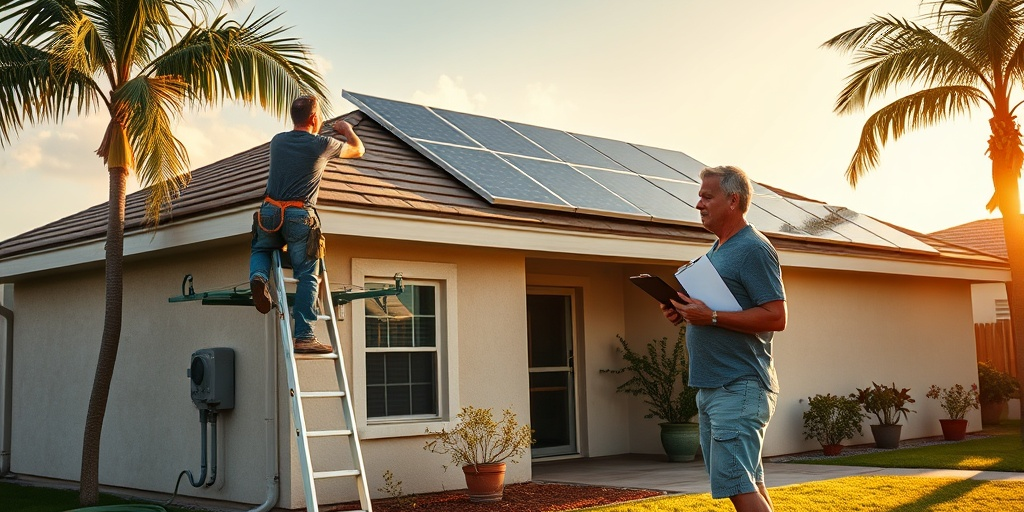
Are you one of the many Floridians looking to harness the power of the sun in 2025? You’re in good company. With recent studies indicating that over 3.5 million homes in Florida are already powered by solar energy (Florida Solar Energy Center), understanding the process of going solar has never been more crucial. By 2025, rising electricity costs combined with favorable state incentives will make solar energy an increasingly appealing choice. It’s no wonder many homeowners are asking, “How do I begin the transition to solar?” In this article titled 7 Essential Steps for Understanding Solar Panel Installation, we will guide you through the intricacies of solar panel installation to help you maximize your utility bill savings, avoid costly mistakes, and start saving today.
We’ll cover important points, such as how to choose the right solar provider, navigate local regulations, and understand the technology involved in solar systems. Expect to see a comprehensive exploration of the financial incentives available in Florida, what to anticipate during the installation process, and the common myths that surround solar energy. By the end of this article, you will feel empowered with actionable steps and practical knowledge. Let’s embark on this enlightening journey toward energy independence.
Step 1: Understand Solar Energy Basics and Financial Benefits
Have you ever wondered how solar panels convert sunlight into electricity? This fundamental understanding is the first step toward making an informed decision about solar energy. At its core, solar energy is the conversion of sunlight into electricity using photovoltaic (PV) cells. While the science behind it is fascinating, what truly captivates homeowners is the financial reprieve it offers. For many, the prospect of reducing energy bills by up to 70% is life-changing (Florida Public Service Commission). However, these benefits are maximized when you take the time to understand your options fully.
- Case Study: Consider the story of a Florida couple, Maria and Jake, who decided to install solar panels on their home in 2024. Initially skeptical about the financial investment, they learned that Florida offers a property tax exemption for solar systems. This benefit, coupled with available federal solar tax credits, reduced their initial costs significantly. The couple now enjoys an electric bill of merely $30, compared to previously spending $200 monthly.
- Checklist:
- Research various solar energy providers in your area.
- Evaluate the financial incentives, including state and federal tax credits.
- Compare financing options, such as loans or leases.
- Myth-Buster:
- Myth #1: “Solar energy is too expensive!” While upfront costs can seem daunting, various incentives and financing plans can make solar installations more affordable than you think.
- Myth #2: “The sun isn’t strong enough in winter.” Florida, with its abundant sunshine, is an ideal place for solar energy even during the less sunny months.
- Myth #3: “Solar panels damage your roof.” When installed properly, solar panels can enhance your home’s value without harming your roof’s integrity.
- Local Focus: Florida ranks first in the nation for solar installations with over 150,000 residential solar photovoltaic systems installed (SEIA.org), which means you are not alone in your journey toward sustainable living.
- Technical Deep-Dive: Understanding which solar panel technology is right for you—monocrystalline versus polycrystalline—can impact your system’s efficiency and cost. Monocrystalline panels tend to offer higher efficiency and take up less space but can also come at a higher price point.
With this knowledge under your belt, you’re one step closer to solar proficiency and ready to make informed decisions as we move to the next critical area of consideration.
Step 2: Choose the Right Solar Provider
Your next move in this solar journey is one of the most important—selecting the ideal solar provider. The quality of your solar provider can make or break your solar installation experience. A reputable solar company will not only ensure a seamless installation process but will also provide excellent customer support during and after installation.
Your checklist for choosing the right provider:
- Experience: Look for providers with a solid track record of successful installations and positive customer reviews.
- Certifications: Ensure that they are certified by the North American Board of Certified Energy Practitioners (NABCEP) or similar organizations.
- Warranty: Inquire about warranty options available for both the panels and the installation work.
- Local Knowledge: A provider familiar with Florida’s local regulations and incentives will have a better understanding of the resources available to you.
Consumer reviews, potential case studies, and testimonials will guide your decision. For example, a local company with a series of successful installations can provide peace of mind that they know the ins and outs of the local market. In fact, some Florida providers have a customer satisfaction rating exceeding 95%, which speaks volumes about their expertise and commitment to customer care.
When you’ve selected your provider, schedule a consultation to discuss your energy needs and potential savings. A thorough analysis of your energy consumption patterns will help to tailor a system that maximizes efficiency and savings.
Step 3: Navigating Permits and Incentives
Understanding local regulations and incentives is paramount.
Obtaining permits can be a daunting task, but it’s essential to ensure that your installation adheres to local building codes and regulations. Fortunately, Florida’s regulatory environment is conducive to solar power installation. Many homeowners find that their solar providers handle the permit process for them, alleviating any stress.
Here’s your checklist for navigating permits and incentives:
- Step 1: Contact your local government to understand any zoning laws or specific permits required for solar installation.
- Step 2: Gather necessary documentation, including your property deed and design plans provided by your solar provider.
- Step 3: Stay informed about federal and state solar incentives. As of 2025, Floridians can benefit from a solar tax credit of 30% of the install cost (IRS.gov).
As a Florida homeowner, you also have access to the state’s Property Assessed Clean Energy (PACE) program, allowing you to finance your solar system through your property taxes. This can be a major financial game-changer, enabling many residents to afford solar energy without substantial upfront costs.
Staying aware of the latest updates in local regulations, as well as incentives, can maximize your benefits and minimize costs throughout your solar installation journey.
Step 4: Understand the Installation Process
The installation process itself is an exciting part of your solar journey. Understanding what to expect during this phase can ease anxiety and ensure a smooth transition.
Common steps involved in the installation process include:
- Site Assessment: A qualified technician will inspect your roof and assess sunlight exposure to determine the best placement for your solar panels.
- Design Plans: Custom design plans will be prepared that outline how the solar system will integrate with your home.
- Installation: Installation typically takes 1-3 days depending on the system size. Licensed professionals will mount panels, wiring, and inverters safely.
- Inspection: After installation, your local government or jurisdiction will review the setup for compliance with regulations.
- Activation: Finally, your new solar system will be activated, and you’ll be ready to start generating your own clean energy!
After your system is live, most companies offer maintenance services that can help extend the life and optimize the performance of your solar panels. Remember—regular maintenance can ensure that your investment remains fruitful for years to come.
Step 5: Post-Installation Best Practices
The journey doesn’t stop once your panels are in place. Engaging with your solar system post-installation is equally essential to ensure you receive the maximum benefits from your investment.
Post-installation best practices include:
- Monitor Your Energy Production: Utilize monitoring tools provided by your solar company to track how much energy you’re generating.
- Stay Informed: Keep up with state regulations as incentives can frequently change. Awareness can lead to future savings.
- Consider Battery Storage: Investigate whether a battery storage system can suit your needs. Storing excess energy can provide savings even during non-sunny periods.
Engaging with your solar investment helps you gain the best possible returns while also contributing to environmental sustainability. Plus, nothing feels better than knowing you are dramatically reducing your carbon footprint while enjoying savings on your electric bill!
Next Steps for Florida Solar Buyers in 2025
Bringing all this together, we hope the 7 Essential Steps for Understanding Solar Panel Installation holds valuable information for your solar journey. Solving your energy needs with solar power is not just a trend; it’s a step toward a sustainable future. But what can you do from here?
Your actionable checklist:
- Audit Your Electric Bill: Understand your energy consumption to determine your savings potential.
- Contact a Certified Solar Provider: Schedule consultations with several providers to evaluate options.
- Familiarize Yourself with Local Regulations: Research Florida’s building codes and state incentives proactively.
- Stay Informed about Financial Incentives: Track changes in state and federal incentives that might benefit your installation.
- Engage with Your Solar Investment: After installation, consistently monitor and maintain your system for optimal performance.
We hope this guide empowers you to make informed decisions regarding your solar needs. If you’re ready to jump in and start your solar journey, connect with a certified expert at floridaelectricandsolar.com today. The sun is shining, and it’s time to harness its power for your home and dreams!
Related Articles
More insights about Solar Panel

Florida Homeowners: Why Solar Panel Maintenance Is Essential

7 Essential Steps for Solar Panel Installation Success

Expert Insights: Key Factors Influencing Solar Panel Lifespan
Ready to Go Solar?
Have questions about solar energy? Our experts are here to help you make the switch to clean, renewable energy.