
7 Essential Steps to Understanding Solar Panel Lifespan
Share:
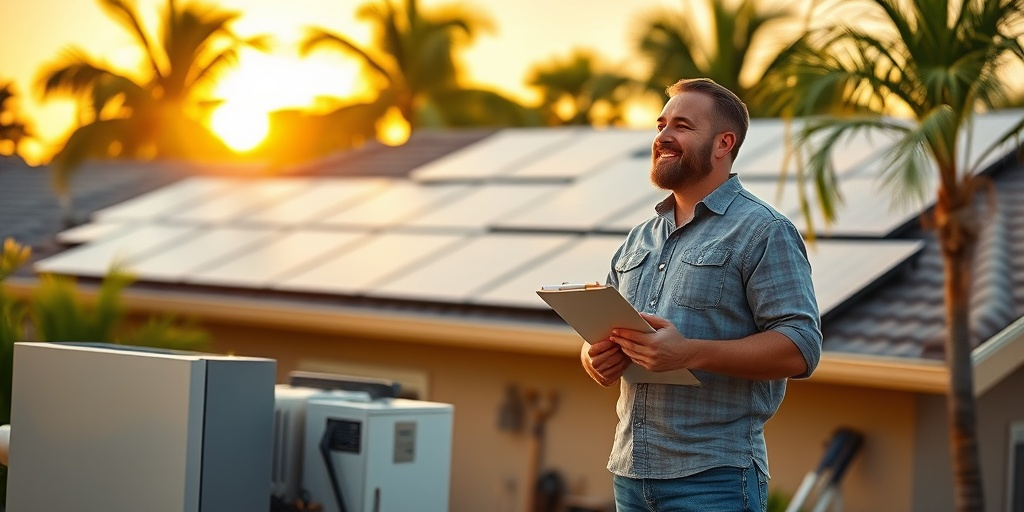
As we step into 2025, the conversation surrounding renewable energy becomes increasingly vital for homeowners and commercial property owners alike. Did you know that the average lifespan of solar panels can reach 25 years or more? Moreover, according to the Solar Energy Industries Association, solar energy prices have dropped by over 70% since 2010, making solar power not just an eco-friendly option, but also a financially savvy choice. With this in mind, understanding the intricacies of your investment has never been more crucial. Today, we’re discussing the 7 Essential Steps to Understanding Solar Panel Lifespan. It’s imperative to ensure the longevity and performance of your solar system while maximizing your return on investment in clean energy. As energy costs rise and new solar incentives emerge, now is the time to take control of your energy future. In this comprehensive guide, we’ll cover:
- Real-world insights from homeowners
- A detailed checklist for maintenance and longevity
- Common myths about solar panels
- Florida-specific considerations
- A technical deep-dive into the solar ecosystem
Prepare to be equipped with the tools you need to make informed decisions about solar power and ensure that your investment lasts as long as possible.
Understanding Solar Panel Lifespan: More Than Just a Number
When you invest in solar panels, you want to know they’ll stand the test of time. But what does lifespan really mean in this context? Many homeowners envision their solar systems lasting decades, but understanding the factors that can affect that lifespan is crucial. An important case to consider is that of the Johnson family from Gainesville, Florida. After installing their solar panels three years ago, they initially believed their system would require minimal upkeep. However, they quickly learned that regular maintenance and strategic positioning played significant roles in maximizing their panels’ efficiency and longevity.
To illustrate their journey, here’s a checklist of steps they took, which you can mirror to ensure your solar panels live up to their potential:
- Step 1: Conduct Regular Inspections — Like any investment, your solar system requires routine check-ups. Inspect your panels and surrounding areas at least twice a year.
- Step 2: Clean the Panels — Keep panels clean from dust, debris, and bird droppings to maximize energy production.
- Step 3: Monitor Performance — Utilize performance monitoring systems to track the energy output of your solar panels and identify issues promptly.
- Step 4: Assess for Damage — After severe weather, check for cracks, chips, or other signs of damage that may affect output.
- Step 5: Maintain Inverters — Inverters are crucial for converting solar energy. Regular assessment can prevent costly replacements.
Despite the Johnsons’ initial belief that solar maintenance was minimal, they soon recognized that taking these steps was crucial for longevity. Many Florida homeowners share the same misconception about the maintenance required to keep their systems operating at peak efficiency. A study by EnergySage indicates that while solar panels can last upwards of 25 years, unexpected issues can arise without adequate maintenance (EnergySage.com).
Another prevalent myth is that once installed, solar panels are essentially set and forget. This is a misconception that can lead to decreased efficiency and costly repairs down the road. Understanding the real factors affecting solar panel lifespan not only debunks these myths but also empowers you to take proactive steps in maintaining your solar investment. In Florida, where hurricanes and intense sun are common, regular inspections are even more important to ensure that your solar panels withstand local environmental conditions.
As you dive deeper into the world of solar energy, let’s uncover a few more myths in our upcoming segments and arm you with practical knowledge that will keep your solar panels operating effectively for decades to come!
Solar Panel Myths Busted: Key Misconceptions
When it comes to solar energy, misinformation is prevalent. Debunking these myths is essential for Florida homeowners to make informed decisions about their solar investments. Here are some misconceptions we hear regularly:
- Myth #1: Solar Panels Are Too Expensive — While the upfront costs can be significant, many financing options—including federal tax credits and state incentives—can reduce your overall expenses significantly. Investing in solar today can lead to substantial savings on energy bills.
- Myth #2: Solar Panels Only Work in Sunny Climates — It’s a common belief that solar panels need direct sunlight to function. However, solar technology has improved to the extent that it can generate energy even in cloudy conditions.
- Myth #3: Once Installed, Maintenance is Nonexistent — As discussed with the Johnson family’s experience, solar panels require inspections and cleaning to function optimally. A lack of maintenance can lead to decreased efficiency and durability.
- Myth #4: Solar Panel Lifespan is Only 10–15 Years — In fact, most solar panels have warranties ranging from 20 to 25 years, and many continue to operate well beyond the warranty period with proper maintenance.
- Myth #5: Installing Solar Panels Decreases Your Property Value — Often, solar panels can increase a home’s value, as they are seen as valuable upgrades that reduce energy costs (NREL.gov).
Understanding the truth behind these myths empowers Florida homeowners to feel more confident in their solar decisions. Knowledge is power, especially in a state that not only ranks high in solar energy installations but also offers numerous incentives for solar adoption. For further insight, check out more resources at floridaelectricandsolar.com.
5 Best Practices for Maintaining Your Solar Panels
Now that we’ve tackled some common misconceptions surrounding solar panels, let’s dive into five expert tips that can help extend the lifespan of your solar energy system. These best practices are crucial for Florida homeowners who want to protect their investment.
- 1. Opt for Quality Products — Always choose high-quality solar panels and components. Research brands with a durable track record and good warranties, as this will provide long-term benefits.
- 2. Proper Installation Matters — Ensure your panels are installed by certified professionals. Poor installation can lead to problems down the line, including reduced efficiency, water damage, and voided warranties.
- 3. Invest in Monitoring Technology — Smart monitoring systems can help track energy production and efficiency, alerting you to any irregularities that could indicate a problem.
- 4. Keep Panels Clear and Untouched — Regularly remove any snow, leaves, or debris that might gather on your panels. However, be cautious when doing so; if you’re unsure, consider hiring a professional to clean them.
- 5. Be Prepared for Florida Weather — Given Florida’s hurricane season, understanding how to prepare your solar system for stormy weather is essential. Use rooftop brackets and hurricane ties to enhance your panels’ stability during severe weather.
Real-world advice like this ensures that Florida homeowners maximize their solar investments. Proper installation, monitoring technology, and regular maintenance checks can vastly improve performance and longevity, leading to ongoing energy savings and peace of mind. Remember, investing in solar energy contributes not just to your family’s future but also to a healthier planet.
The Journey of a Florida Homeowner with Solar Power
To fully grasp the importance of maintaining solar panel lifespan, let’s follow the story of Maria, a homeowner from Orlando, who adopted solar power to reduce her energy bills. After a thorough research process, Maria chose to install a top-quality system complete with a smart monitoring application. Initially pleased with the immediate results, Maria noticed a drop in energy output after two years. Instead of panicking, she referred to her monitoring app, which pointed out that dust accumulation was affecting performance.
Maria then took the following steps:
- Conducted a thorough cleaning of her panels with gentle soap and water.
- Scheduled a professional inspection to ensure everything was in working order.
- Invested in additional support brackets during the next hurricane season to further secure her panels.
- Checked her app regularly to monitor energy production, ensuring that she could catch any issues early.
Thanks to her proactive approach, Maria not only saved money on repairs but also extended the lifespan of her solar system beyond its expected years. Research shows that households that engage in regular monitoring and maintenance can expect to see their systems outperform in both longevity and efficiency (NREL.gov). Her story exemplifies how empowering oneself with knowledge about solar care leads to climate-conscious decisions that fortify personal investments.
Next Steps for Florida Solar Buyers in 2025
Now that you are equipped with the essential knowledge about solar panel lifespan, it’s time to take actionable steps to protect and maximize your investment. Here’s a straightforward checklist designed to guide you through the process:
- Step 1: Audit Your Electric Bill — Begin by examining your current energy costs. Understanding your consumption patterns can help determine the optimal size of your solar system.
- Step 2: Research Solar Options — Investigate reputable solar providers in Florida, focusing on reviews, warranties, and customer service records.
- Step 3: Schedule a Professional Consultation — Engage with a certified solar expert to discuss tailored solutions for your property.
- Step 4: Plan for Maintenance Costs — Inquire about ongoing maintenance plans that can help sustain your system’s performance over time.
- Step 5: Secure Financing and Incentives — Look into available rebates, tax credits, and financing options that can significantly decrease your upfront costs.
Taking these steps reduces friction in your journey toward solar energy ownership. It is not merely about installing a system but engaging with a broader strategy to ensure your solar energy system provides lasting benefits. By implementing the above checklist, you’ll be on a path to realizing the financial and environmental advantages of going solar. For more information, visit floridaelectricandsolar.com.
As we conclude, it’s clear that understanding the lifespan of solar panels is not only essential for maintenance but also pivotal for long-term savings and energy independence. In 2025, as we witness rising energy costs and shifts in policy towards renewable energy, securing a solar system that lasts for decades becomes increasingly vital. You and your family deserve the peace of mind that comes with a dependable energy source.
Ready to start your solar journey in 2025? Connect with a certified expert at floridaelectricandsolar.com today.
Related Articles
More insights about Solar Panel

Florida Homeowners: Why Solar Panel Maintenance Is Essential

7 Essential Steps for Solar Panel Installation Success

Expert Insights: Key Factors Influencing Solar Panel Lifespan
Ready to Go Solar?
Have questions about solar energy? Our experts are here to help you make the switch to clean, renewable energy.