
7 Steps to Understanding Solar Panel Lifespan and Maintenance
Share:
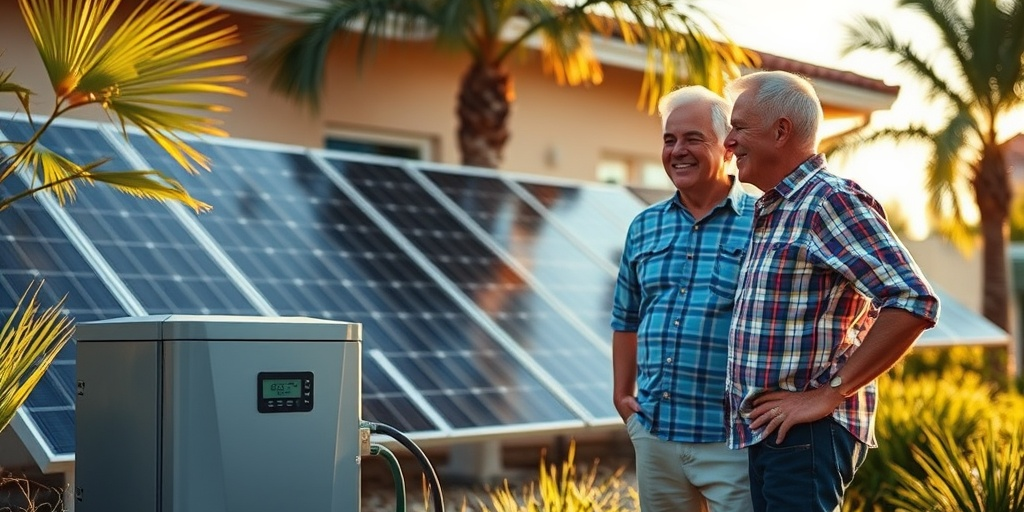
In the sunny state of Florida, homeowners often experience escalating electricity costs. Did you know that the average Floridian spends over $2,000 a year on electricity? This alarming statistic highlights the pressing need for alternatives like solar power, which not only saves money but also stabilizes energy costs. By the year 2025, experts project that solar energy will become the most economical source of new electricity generation in the United States, thanks to declining costs and increased efficiency. Embracing solar energy isn’t just about watching your lifetime savings grow; it’s about securing a more sustainable future for your family and the environment. This is where understanding the 7 Steps to Understanding Solar Panel Lifespan and Maintenance becomes crucial.
Many Florida homeowners and business owners might be hesitant about solar energy, often stemming from misconceptions about maintenance and longevity. In fact, the average solar panel can last upwards of 25 years with proper care, ensuring you enjoy the benefits for years to come (SolarReviews.com). However, failing to maintain your solar system can shorten its lifespan and reduce its efficiency. To maximize your solar panel lifespan and maintenance, we’ve compiled an essential checklist of steps that empower you to enhance your system’s durability and performance.
This blog post will guide you through five key sections to help you understand your solar panels better: a case study that illustrates the real-life implications of maintenance, a detailed checklist of maintenance steps, myth-busting that dismisses common misconceptions about solar, a local focus on data relevant to Florida residents, and a technical deep dive into the components of your solar system. These insights will not only educate you but also encourage a proactive stance on energy management. Let’s dive in!
Understanding Your Solar Panel Lifespan: A Deep Dive
Meet Jessica, a Florida homeowner who took the plunge into solar energy in 2021. Like many others, she was motivated by rising electric bills and ongoing discussions regarding climate change. After installing her solar panel system, Jessica was thrilled to see a drastic decrease in her monthly bills, with savings projected to reach tens of thousands over the lifespan of her panels. However, after some time, she began noticing a slight drop in performance during peak sunlight hours. Jessica’s experience underscores the importance of proper maintenance.
- Step 1: Regular Inspections
Jessica soon learned about the necessity of regular inspections. Experts recommend checking your panels at least once a year. This inspection should include:- Looking for dirt,
- Detecting growths like algae or bird droppings,
- Checking for physical damages.
Regular inspections can reveal issues before they turn into costly repairs.
- Step 2: Cleaning Your Solar Panels
Another lesson Jessica learned was the necessity of cleaning solar panels. Dust, pollen, and debris can collect on the panels, reducing their efficiency. You might need to clean your panels as often as every few months in dusty areas, while homes near the ocean may experience salt spray that requires more frequent cleanings (Energy.gov). Hiring a professional service or following the manufacturer’s guidance helps protect your investment. - Step 3: Keep an Eye on the Inverter
Your solar inverter is the heart of your solar energy system. Ensure it’s functioning correctly; if it fails, you may be losing money. Jessica found that familiarizing herself with her inverter’s performance metrics can help detect anomalies in energy production. Checking its display or monitoring app for error codes frequently is a simple way to stay informed. - Step 4: Documentation of Energy Production
Tracking your energy production allows for better insight into your system’s performance over time. Jessica utilized monitoring software to keep track of her energy output, leading to timely maintenance or repairs when necessary. - Step 5: Repair Damages Promptly
If damage occurs, prompt repairs can significantly extend your panels’ lifespan. Regularly check for cracks in the glass or loose wiring. Jessica discovered a small crack in one of her panels, but she acted quickly, mitigating what could have been a costly problem.
Understanding these steps isn’t merely academic; they can save you significant money over time. A well-maintained solar panel can lead to energy savings that are once again evident in your monthly bills.
5 Misconceptions About Solar Panel Lifespan and Maintenance
One of the significant hurdles in adopting solar energy is the myriad of myths surrounding it. Here, we dispel the top misconceptions to help Florida homeowners make informed decisions.
Myth #1: Solar Panels Require Constant Maintenance
This myth deters many homeowners. In reality, solar panels are built to be sturdy and often require minimal maintenance. Regular inspections are adequate for most, and some panels can operate efficiently with just occasional cleaning.
Myth #2: Solar Panels Are Only Efficient in Sunny Areas
While it’s true that Florida is an ideal location due to its sunny conditions, solar panels can still produce energy on cloudy days. Energy production may be lower but having panels installed is still advantageous (SEIA.org).
Myth #3: My Homeowner’s Insurance Will Not Cover Damages
Many Florida homeowners worry about damage, especially from storms. Most homeowner’s insurance does cover damages to solar panels, but it’s essential to confirm this with your insurance provider to ensure complete peace of mind.
Myth #4: Solar Batteries Are Required for Homeowners
While solar batteries are beneficial for energy storage and grid independence, they are not mandatory with solar installations. Homeowners can still benefit significantly from solar’s energy production.
Myth #5: Solar Inverters Never Fail
Inverters have a defined lifespan of around 5-15 years, which means they will eventually require replacement. Jessica learned that understanding this helped her budget for upgrades, ultimately maintaining her system’s performance long-term.
Being aware of these myths allows homeowners like Jessica to embrace solar technology fully and make empowered, informed decisions about their energy use.
Solar Maintenance Best Practices for Every Florida Homeowner
Your solar journey doesn’t end with installation. Learning about maintenance best practices can lead to a more productive and effective solar system.
Here are five expert tips to consider:
1. Choose Quality Installers
Teaming up with experienced, certified solar energy installers ensures your system is designed for maximum efficiency. Florida Electric & Solar, for instance, offers extensive experience and local knowledge that can help maximize your solar investment’s performance.
2. Understand Your Equipment
Familiarize yourself with your solar system components. Learn what your inverter does, when to expect it to need servicing, and how your monitoring software works. Knowledge enables you to make quicker decisions when issues arise.
3. Prioritize Cleaning
Depending on your location and surroundings, regular cleaning may be necessary. This could involve everything from hosing down the panels to hiring a power washing service—but never use abrasive materials or harsh chemicals that could damage them.
4. Invest in Monitoring Software
Using energy monitoring software can provide insights into your solar performance. Keeping track of your energy production can help you identify problems earlier, saving time and money.
5. Keep Updating Your Knowledge
The solar landscape continually evolves; new technologies and maintenance practices emerge frequently. Keeping abreast of industry developments, through reputable websites and experts, will keep you informed and prepared for future enhancements.
Your commitment to your solar energy system means you can reap the savings and benefits for years to come.
The Journey of a Florida Homeowner: Solar Success Story
Consider David, another Florida homeowner who recently transitioned into solar power. His process began with extensive research on the viability of solar power in Florida, eventually leading him to install a comprehensive solar system tailored to his energy needs.
Initially, David faced challenges, including unexpected costs for inverter replacements, but through his diligent maintenance efforts, these became manageable concerns. Here’s what he learned through his solar journey:
- Price Stability: David’s electrical bills stabilized after installation, providing peace of mind against inflation and rising energy costs.
- Environmental Impact: With reduced dependency on fossil fuels, David was satisfied knowing his family was lessening their carbon footprint.
- Return on Investment: David calculated his long-term savings and discovered that his solar investment would pay off within ten years, thanks to federal and state incentives (NREL.gov).
- Community Engagement: David connected with other solar owners in Florida, sharing insights and challenges, making the interest in solar energy even more palpable.
David’s story is a testament to the transformative power of solar energy, proving how proper maintenance leads to sustainable benefits.
Next Steps for Florida Solar Buyers in 2025
If you’re considering solar energy in 2025, the process may feel daunting. However, having a plan can simplify the journey. Here’s a bold checklist to get you started on your solar journey:
- Step 1: Audit Your Electric Bill
Examine previous bills to assess your energy consumption patterns, enabling you to determine the size of the system you will need for your home. - Step 2: Educate Yourself About Solar Technology
Understanding the differences between types of panels, inverters, and how net neutrality works in Florida will help you make educated decisions. - Step 3: Research Local Incentives
Investigate available federal and state tax credits, rebates, and incentives that can help lower the upfront cost of solar installations. - Step 4: Secure a Professional Installer
Identifying a reputable installer will assure quality workmanship and ongoing support. Look for certifications, experience, and customer reviews. - Step 5: Schedule Maintenance
Before installation, check if the installers offer maintenance plans to maintain optimal performance and extend component life.
With this checklist in hand, you’re poised to take charge of your solar energy future, confidently equipped to reduce your reliance on traditional electricity sources.
Conclusion
Understanding the intricacies of solar panel lifespan and maintenance is not just essential; it’s a crucial step toward making an informed decision about your energy future. From learning about maintaining the panels, debunking myths, to hearing inspiring stories from fellow Floridians, you’ve amassed knowledge that will guide your journey.
The intersection of rising energy costs and technological advancements makes 2025 a prime year for investing in solar energy. Installing a system not only saves you money but ensures your family plays a part in creating a more sustainable world.
Ready to start your solar journey in 2025? Connect with a certified expert at floridaelectricandsolar.com today.
Related Articles
More insights about Solar Panel

Florida Homeowners: Why Solar Panel Maintenance Is Essential

7 Essential Steps for Solar Panel Installation Success

Expert Insights: Key Factors Influencing Solar Panel Lifespan
Ready to Go Solar?
Have questions about solar energy? Our experts are here to help you make the switch to clean, renewable energy.