
7 Essential Tips for Solar Panel Maintenance You Need
Share:
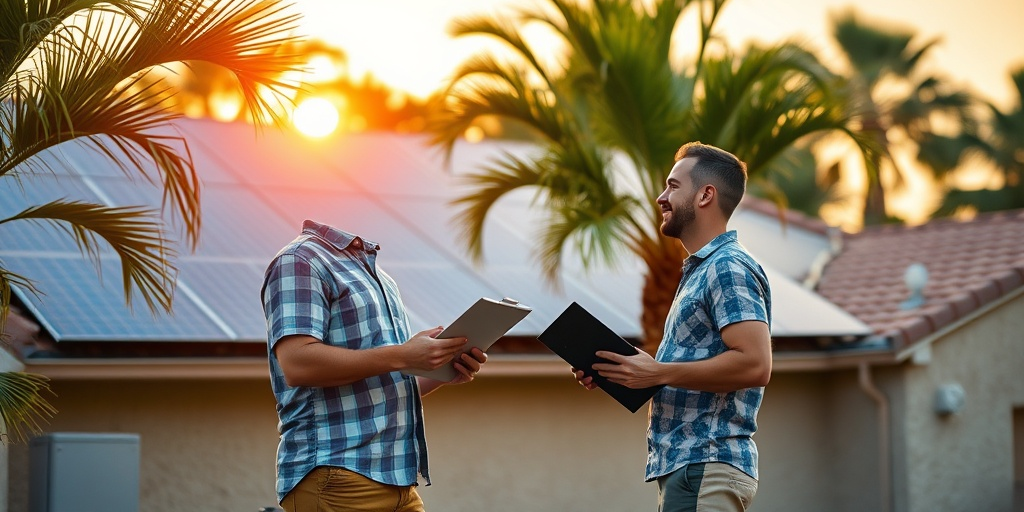
Imagine standing on your porch, sipping iced tea while watching the sun shine brightly over your roof—where solar panels diligently capture every precious ray of sunlight. This idyllic scene is a reality that many Florida homeowners already enjoy. In fact, over 1 million homes in the United States have gone solar, with Florida leading the charge, thanks to its ideal climate for solar energy production (SEIA.org). However, many people overlook an essential aspect of achieving that idyllic scene: regular solar panel maintenance. This leads us to our topic for today: 7 Essential Tips for Solar Panel Maintenance You Need! As we step into 2025, rising energy costs and new solar incentives make understanding effective maintenance strategies more important than ever. A well-maintained system not only maximizes your energy savings, but it also protects your investment in solar technology. Today, we’ll explore five sections that will guide you through understanding the necessity of solar panel maintenance, essential checklists, common myths, local insights, and technical deep dives—all designed to keep your solar system efficient and effective.
Understanding the Necessity of Solar Panel Maintenance
Let’s start with a compelling story about a hypothetical homeowner in Orlando, Florida. Meet Jane. After installing solar panels on her roof, she noticed a significant drop in her electricity bills—saving over $100 a month! Feeling ecstatic about her energy savings, Jane neglected regular maintenance, thinking that solar technology handles itself once installed. However, one stormy afternoon, Jane’s panels became covered in debris, significantly reducing their efficiency. This scenario is not isolated; homeowners who overlook maintenance can experience drops in productivity by up to 30% (SolarReviews.com).
Checklist for Solar Panel Maintenance:
- Schedule Bi-Annual Inspections
- Keep Panels Clean
- Check for Shade Obstructions
- Monitor Energy Production
- Review Your Warranty Regularly
Each of these checklist items reinforces the importance of maintaining your solar panels for maximum performance. The climatological conditions unique to Florida, including humidity and frequent storms, dictate a proactive maintenance approach to ensure installations remain optimal year-round.
Now, let’s delve deeper into understanding these practices to support your solar journey in Florida.
Step-by-Step Solar Maintenance Checklist for Optimal Performance
Step 1: Schedule Bi-Annual Inspections — Don’t let time slip away! Engaging a certified solar technician for inspections twice a year is essential for identifying issues early. Trained professionals know precisely what to look for: loose wiring, corrosion, and damage from storms. This proactive approach can prevent costly repairs down the line.
Step 2: Keep Panels Clean — Dirt, dust, and debris can accumulate on your solar panels, reducing energy production. Rain can wash away some grime, but heavy buildup requires manual cleaning using a soft brush or hose. In Florida, where pollen counts rise in spring, be more vigilant about cleaning to maintain efficiency.
Step 3: Check for Shade Obstructions — Watch for trees or structures casting shadows on your solar array. Even partial shading can drastically reduce output. Consider trimming trees or relocating any obstructive structures to maximize light exposure.
Step 4: Monitor Energy Production — It’s important to examine how much energy your system is generating compared to your expected output. Regular monitoring allows you to detect drops in performance promptly. Many systems today come with apps or monitoring tools, making it easier than ever.
Step 5: Review Your Warranty Regularly — Understanding your warranty conditions can protect you from unexpected costs. Ensure you know what is covered, and confirm that regular maintenance is included. If your system requires repairs outside of warranty conditions, familiarize yourself with estimated costs.
To learn more about proper installations and maintenance, visit floridaelectricandsolar.com for additional guidance and resources!
Myth-Busting Common Solar Panel Misconceptions
Many misconceptions surround solar technology, especially regarding maintenance. Let’s debunk a few:
- Myth #1: Solar Panels Don’t Need Maintenance — Some believe solar installations are self-sustaining. Neglecting them can result in decreased efficiency.
- Myth #2: Rain Cleans the Panels — While light rain can help, significant grime often requires more manual intervention.
- Myth #3: Solar Systems Work Even When Damaged — A damaged solar panel can severely reduce energy production—even if it appears functional, it’s best to inspect regularly.
- Myth #4: You Can’t Monitor Performance Yourself — Many systems offer apps for real-time monitoring, providing homeowners with peace of mind.
- Myth #5: All Solar Companies Are the Same — Not all installations are created equal; it’s crucial to research reputable local services for maintenance and repairs.
With many myths floating about solar technology, Florida homeowners must understand the truths versus the fabrications to ensure effective solar system use.
Local Insights: Solar Maintenance in the Sunshine State
Florida is known as the “Sunshine State,” and it certainly lives up to its name when it comes to solar energy. However, something that many Florida homeowners may not know is that state-specific conditions demand unique maintenance strategies.
Florida’s tropical climate often results in high humidity and significant rainfall, which can accelerate challenges like corrosion and algae growth on solar panels. Furthermore, hurricanes pose a grave threat; securing your panels before storm season is vital. Regular inspections can help root out any potential weaknesses in your system before impending storms.
Additionally, understanding the Florida Solar Energy Policy is crucial. In 2025, homeowners will have access to new solar incentives that can help subsidize the costs of regular maintenance—making it a great time to invest in a long-term solar energy solution. Often, these incentives will require that your system is well maintained to remain eligible.
It is essential to protect this investment, especially as Florida moves toward more favorable solar policies. In fact, currently, Florida ranks among the top states for solar installations, with over 3 gigawatts of solar capacity installed statewide (Energy.gov).
Technical Deep-Dive: The Science Behind Solar Efficiency
Understanding how solar panels operate on a technical level can provide valuable insights into maintenance. Solar photovoltaic (PV) systems generate electricity through silicon cells that convert sunlight into energy. Each solar panel operates at optimal efficiency when several components work seamlessly together, including inverters, batteries, and monitoring systems.
If dirt or debris obstructs panels, it interrupts the light absorption process, which drastically reduces output. Similarly, malfunctioning inverters can impede the entire solar system. Regular system assessments can minimize these impacts and ensure all parts function correctly, optimizing your home’s energy production.
In a well-maintained system, monitoring apps can help detect malfunctions before they become serious issues. Consider checking how your panels tide over in different weather conditions to understand their performance variability. Any discrepancies could signal an underlying issue needing immediate attention.
Now that we’ve explored various aspects of solar maintenance, let’s move to practical next steps for Florida homeowners eager to harness the sun’s energy.
Next Steps for Florida Solar Buyers in 2025
As 2025 approaches, being proactive with solar maintenance becomes increasingly important. Here’s an action plan to begin your solar journey:
- Step 1: Audit Your Electric Bill — Begin by analyzing previous electric bills to understand your power consumption and potential savings.
- Step 2: Research Qualified Installers — Seek certified solar installers in Florida known for excellent service and maintenance records.
- Step 3: Schedule a Site Assessment — A site assessment will provide clarity on roof suitability and the expected energy output of the installation.
- Step 4: Understand Payment Options and Incentives — Investigate financing options, local incentives, and potential tax credits available for solar installations.
- Step 5: Commit to Regular Maintenance — Lastly, prioritize regular maintenance throughout the year to ensure optimal performance.
By following this checklist, you’ll position yourself to take full advantage of solar energy’s potential benefits. To dive deeper into your options for installation, read more at floridaelectricandsolar.com.
In conclusion, embarking on the solar energy journey is more than just an installation; it involves understanding maintenance to safeguard your investment and maximize your savings. As energy prices continue to rise, the importance of maintaining your solar system becomes even more urgent. By following the essential tips outlined here, you’ll ensure that your solar power system will provide clean energy for years to come.
Ready to start your solar journey in 2025? Connect with a certified expert at floridaelectricandsolar.com today.
Related Articles
More insights about Solar Panel

Florida Homeowners: Why Solar Panel Maintenance Is Essential

7 Essential Steps for Solar Panel Installation Success

Expert Insights: Key Factors Influencing Solar Panel Lifespan
Ready to Go Solar?
Have questions about solar energy? Our experts are here to help you make the switch to clean, renewable energy.