
9 Essential Steps for Solar Panel Installation in Florida
Share:
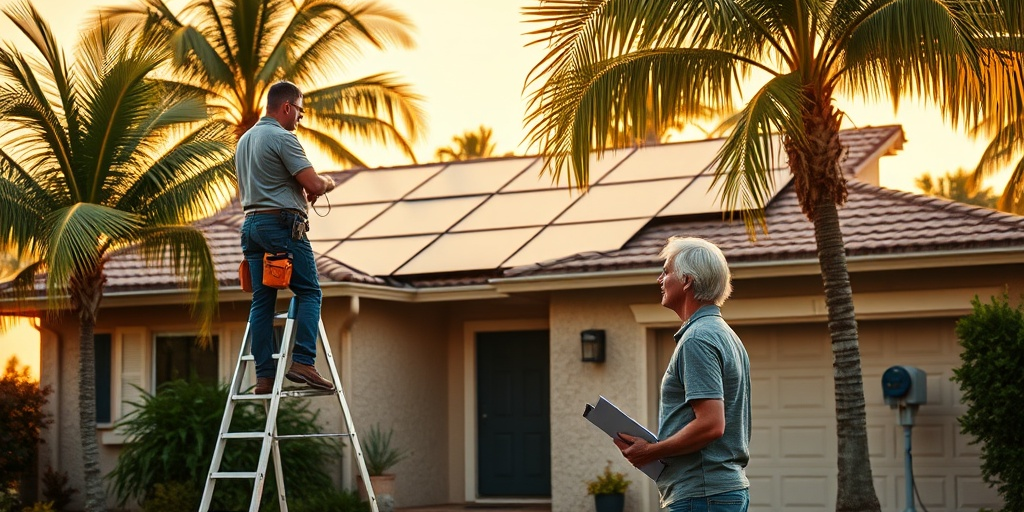
As the sun rises over the beautiful beaches and vibrant cities of Florida, an energy revolution is brewing just beneath the surface. Did you know that homeowners in Florida can save up to 70% on their electricity bills by harnessing the power of solar energy? With utilities seeing a staggering 50% increase in energy costs over the past decade, the urgency to consider solar power has never been greater (Energy.gov). This trend is driven by rising costs and the increased need for reliable, sustainable energy solutions. In 2025, the opportunity to switch to solar becomes even more accessible due to advancements in technology and significant tax incentives for homeowners. This brings us to the essential guide: 9 Essential Steps for Solar Panel Installation in Florida. This guide aims to ensure your solar project is smooth, cost-effective, and maximizes your utility bill savings.
In this comprehensive article, we’ll explore the following five sections:
- An angled deep dive into the process of solar panel installation, complete with case studies and checklists.
- Common myths surrounding solar energy and how to debunk them effectively.
- Best practices for a successful solar installation in 2025.
- A narrative or data expansion featuring real stories of Florida homeowners transitioning to solar.
- An action plan outlining vital next steps for prospective solar buyers in Florida.
Now, let’s illuminate the path to your solar future by diving into the nine essential steps for solar panel installation!
Understanding the Solar Panel Installation Process in Florida
Before diving into solar panel installation, let’s address why many Florida homeowners are making this transformative switch. Meet Jane and Mike, a young couple living in Tampa. After receiving their recent electric bill, they were shocked to see it jump to an unprecedented $300. They realized they needed to make a change, and that’s when they discovered the magic of solar energy. By installing solar, not only were they able to drastically reduce their bills, but they also contributed to environmental sustainability.
Following a systematic approach can ensure your solar panel installation experience is as seamless as Jane and Mike’s. Here’s a handy checklist to guide you through the essential steps:
- Step 1: Assess Your Energy Needs – The first step is to evaluate your current energy usage. Review past electric bills and monitor your consumption for a month to understand your energy requirements better. This will help determine the size of the solar system you need.
- Step 2: Research Local Solar Incentives – Florida offers enticing incentives for solar power adoption, including a 26% federal tax credit and various local rebates. Be sure to familiarize yourself with these to maximize your savings (SEIA.org).
- Step 3: Find a Reputable Solar Installer – Choose a licensed and experienced solar contractor in Florida. Check online reviews, ask for references, and ensure they hold certifications like NABCEP (North American Board of Certified Energy Practitioners).
- Step 4: Conduct a Site Assessment – A professional installer will evaluate your property, reviewing roof angles, sun exposure, and shading from trees or nearby buildings. The area’s specific conditions influence the optimal placement and type of panels needed.
- Step 5: Choose Your System Size and Type – Decide between grid-tied, off-grid, or hybrid systems. A grid-tied system is often the most cost-effective, allowing you to benefit from net metering and reduced electricity costs.
- Step 6: Secure Financing – Explore financing options, including solar loans, leases, or cash purchases. Determine what works best for your budget and financial situation.
- Step 7: Obtain Necessary Permits – Navigating local legislation and permits can be tricky, but a reliable contractor should guide you through obtaining everything needed for installation.
- Step 8: Installation Day! – Installation typically takes one to three days, depending on the system size. Your contractor will handle the heavy lifting, ensuring your system is installed according to all safety and structural standards.
- Step 9: Activation and Monitoring – Post-installation, you’ll need to activate your system and monitor its performance. Many systems come with apps that track energy production and savings, providing visibility into your solar investment.
While each step is vital, understanding the benefits of solar systems is critical too. Florida continues to lead in solar adoption, contributing to a remarkable 4,000 megawatts of installed capacity, making it second only to California (SolarReviews.com). By increasing public awareness and simplifying access, solar installers are strengthening Florida’s promise for a brighter, sustainable future. With the above checklist in hand, let’s now unravel common myths about solar panel installations to eliminate any doubts you may have!
Debunking Common Solar Myths
Despite the proven benefits, myths around solar energy often stand in the way for potential adopters. It’s time to bust these myths wide open!
- Myth #1: Solar Panels Are Too Expensive – While upfront costs can be significant, the long-term savings, combined with federal tax credits and state incentives, make solar installation an economically sound investment.
- Myth #2: Solar Production Is Insufficient in Florida – Many assume solar panels won’t generate enough energy during cloudy days. However, solar technology has advanced, and modern panels operate efficiently even in overcast conditions.
- Myth #3: Solar Is Only for Environmentalists – Solar power is an excellent investment for anyone looking to save money. With rising electricity rates, going solar transcends political beliefs, appealing to individuals across the spectrum.
- Myth #4: Home Value Decreases with Solar Installation – Research has shown that homes with solar systems sell for more than comparable homes without them, proving they add value rather than detract from it (DSIREUSA.org).
- Myth #5: The Installation Process Is Too Complicated – Professional solar installers handle everything from assessing your home to securing necessary permits, ensuring a hassle-free experience. Their expertise streamlines the entire process.
By dispelling these myths, homeowners can feel more confident in their decision to go solar. Florida boasts over 930 solar companies serving residents aiming to cut energy costs and improve their quality of living. As the demand for solid solar knowledge grows, so does the responsibility of solar companies to educate and empower potential clients, ultimately increasing adoption rates. As you can see, understanding these myths is pivotal in making informed decisions about solar energy.
5 Best Practices for Solar Installation in 2025
Now that we’ve busted some myths, let’s focus on best practices for solar installation in the coming year. As the solar landscape evolves, certain strategies will maximize installation effectiveness and long-term benefits.
- 1. Don’t Skimp on Research – Take the time to research and compare different solar technologies and designs. There are various panel types, including monocrystalline, polycrystalline, and thin-film. Each has unique advantages that may benefit your individual circumstances.
- 2. Ensure Expert Installation – Work with certified installers who adhere to local codes and standards. Poor installations can lead to inefficiencies and higher long-term costs.
- 3. Embrace Battery Storage – Consider adding a battery storage system to store excess energy generated during the day. This will provide power at night or during grid outages, ensuring your home remains powered regardless of external conditions.
- 4. Optimize Panel Placement – Strategic positioning of your solar panels can make a significant difference in energy production. Consult with your installer to determine the ideal orientation and tilt for maximum sun exposure.
- 5. Regular Monitoring and Maintenance – Keep an eye on your solar system’s performance to ensure it’s functioning optimally. Regular maintenance can help identify potential issues early and prolong the lifespan of your system.
In 2025, solar energy will become increasingly pivotal for both homeowners and businesses looking to mitigate rising energy costs. In Florida, where sunny skies are abundant, maximizing solar production is critical in capitalizing on this resource. These best practices provide a roadmap for a successful solar experience, empowering individuals to take control of their energy future.
The Solar Journey: Real Stories from Florida Homeowners
As we move forward, let’s take a closer look at a fictional yet realistic narrative of a Florida homeowner’s solar journey. Meet the Bargers, a family residing in Orlando, who decided it was time to invest in solar after hearing about its benefits at a local community event.
After conducting thorough research, they established a few key insights:
- Solar Energy Is Adaptable – The Bargers learned how they could tailor solar solutions to fit their unique home requirements.
- Incentives Are Key – They found grants and incentive programs that significantly lowered the price of their solar project.
- The Community Impact – They realized that each solar installation contributes to Florida’s overall renewable energy goals.
- Future-Proofing – They felt a sense of security knowing that their investment was protecting them from future electricity rate hikes.
By engaging in discussions with neighbors and researching online, the Bargers embarked on a transformative journey toward energy independence. They partnered with an experienced solar contractor to install a 10-kilowatt system, which not only met their energy needs but also positively influenced their home value.
The Bargers proudly report that their home now produces more energy than they consume! Their experience reflects a growing trend among Florida homeowners aiming to take charge of their energy landscape. With solar solutions becoming more prevalent, this story resonates with many Floridians exploring their options for sustainable energy solutions.
Next Steps for Florida Solar Buyers in 2025
As we conclude this journey of solar education, it’s crucial to outline your next steps for pursuing solar energy in Florida.
- Step 1: Audit Your Electric Bill – Analyze your past electric bills over the last 12 months to understand your energy consumption patterns and identify savings opportunities.
- Step 2: Consult with an Expert – Don’t hesitate to reach out and discuss your goals with a certified solar expert. They can guide you through available options and create a tailored solution based on your needs.
- Step 3: Explore Financing – Investigate available financing options, whether through loans, leases, or cash purchases, and assess what works best for your financial situation.
- Step 4: Take Advantage of Incentives – Research current incentives and tax credits available for solar installation in Florida to maximize affordability.
- Step 5: Move Forward with Installation – Once you’ve done your homework, it’s time to schedule installation with a reputable solar contractor.
With these steps, you’ll ensure a well-informed, smooth transition to solar energy. A solar investment benefits your home, reduces energy bills, contributes to environmental sustainability, and elevates your overall quality of life.
Conclusion
In a landscape ripe for change, the journey toward solar energy promises to empower Florida homeowners not only to slash their electric bills but also to contribute meaningfully to environmental sustainability. Through informed actions, overcoming misinformation, and understanding best practices, you can leverage solar energy to build a prosperous and sustainable future for your home and family.
As you fondly remember the Bargers’ journey and the enlightening perspective shared today, consider the vast potential of solar power as a path to energy independence. With excellent incentives and abundant sunshine, 2025 is the ideal time to commit to the transition. As you stand at the crossroads of this decision, remember: every ray of sunshine could be a step towards a brighter and more sustainable future.
Ready to start your solar journey in 2025? Connect with a certified expert at floridaelectricandsolar.com today.
Related Articles
More insights about Solar Panel

Florida Homeowners: Why Solar Panel Maintenance Is Essential

7 Essential Steps for Solar Panel Installation Success

Expert Insights: Key Factors Influencing Solar Panel Lifespan
Ready to Go Solar?
Have questions about solar energy? Our experts are here to help you make the switch to clean, renewable energy.