
9 Essential Tips for Maximizing Solar Panel Installation Savings
Share:
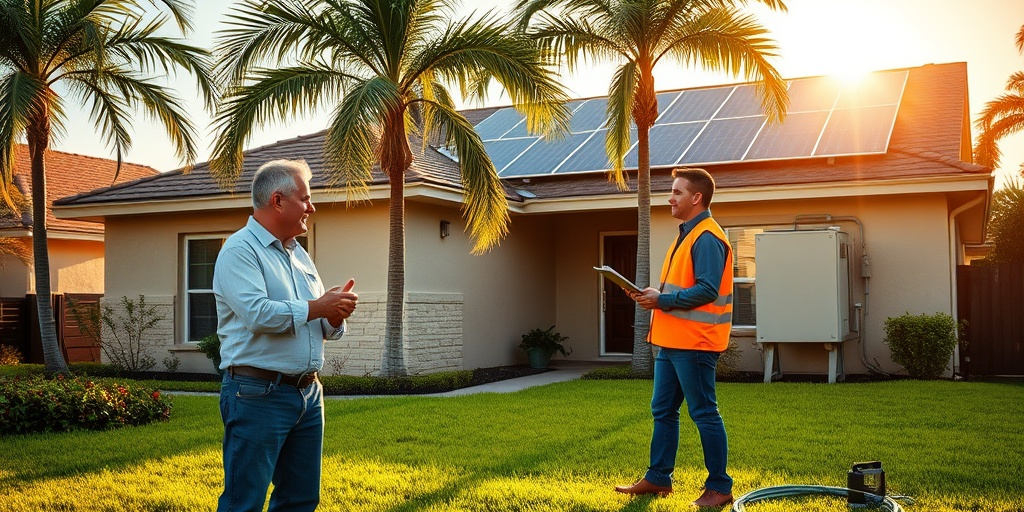
Imagine waking up one sunny morning in Florida and realizing that your electricity bills are now half of what they used to be. Sounds almost too good to be true, right? Yet, for countless homeowners across the Sunshine State, this dream is becoming a reality, especially as we head into 2025—a pivotal year for solar energy enthusiasts. With new government incentives underway and solar panel costs decreasing by 34% since 2020 (SEIA.org), going solar is not just a trend; it’s a smart financial decision that can yield significant savings. In this blog post titled 9 Essential Tips for Maximizing Solar Panel Installation Savings, we’ll explore how you can avoid costly mistakes during your solar journey. The National Renewable Energy Laboratory (NREL) reports that Florida residents can save up to 70% on energy costs by switching to solar (NREL.gov). As energy prices continue to fluctuate and grid instability looms, understanding how to maximize your solar installation savings has never been more urgent. Get ready to discover our expertly curated checklist that will cover five vital topics: the importance of strategic installation, common myths debunked, Florida-specific considerations, technical deep dives, and an actionable next steps plan to help you own your energy and your future.
Section 1: Case Study – The Solar Transformation of the Martinezes
Meet the Martinez family, a typical Floridian household residing in Orlando. Like many homeowners across Sunshine State, they faced rising electricity bills that threatened their family budget. Intrigued by the idea of generating their own energy, they embarked on a solar journey. After conducting thorough research and consulting with solar experts, they decided on a tailored solar panel installation. Today, the Martinezes enjoy a significant reduction in their monthly energy costs, cutting their previous bills by over 60%!
This transformation didn’t just happen overnight. The family followed specific steps, which anyone can replicate to maximize their solar panel installation savings:
- Research the Best Solar Options: The Martinezes dedicated time to understand the types of panels that would work best for their home. They discovered that photovoltaic (PV) solar panels, which can convert sunlight directly into electricity, were the most efficient choice for their roof.
- Choose Reliable Installers: They were careful to vet multiple solar contractors to ensure they selected a reputable and experienced company. They found a solar provider that not only offered competitive rates but also provided stellar customer reviews.
- Take Advantage of Incentives: By doing thorough research, they were able to claim several tax credits and rebates, significantly reducing initial installation costs. Florida homeowners can benefit from the 26% federal tax credit, which is set to decrease after 2025 (SEIA.org).
After their solar install, the Martinezes were thrilled to see that their roof was not only powering their home but also positioned to feed their surplus energy back to the grid. They quickly learned about net metering, where they could receive credit for the excess power they produced. This is a financial win that showcases just how critical it is to understand the technical aspects of solar systems for maximizing savings. Overall, Florida homeowners following these guidelines can rest easy knowing that they’ve made a financially sound investment!
Section 2: Your Solar Installation Savings Checklist
Looking to dive deeper into actionable steps? Our solar installation checklist will guide you through the process seamlessly. Ensuring you tick off each item below will maximize your savings both upfront and over the long term:
- Step 1: Review Your Current Electricity Bill
Before going solar, collect at least a year’s worth of energy usage data. Know how much you currently spend each month to gauge how much solar power you’ll need. - Step 2: Research State and Federal Incentives
Familiarize yourself with what’s available for 2025. The federal solar investment tax credit (ITC) is currently at 26% but will decrease to 22% in 2023 and 2024 (SEIA.org). - Step 3: Get Multiple Quotes
Reach out to several reputable solar installers in Florida to secure quotes. Don’t settle on the first offer; competition often leads to better deals! - Step 4: Optimize Your Solar Panel Placement
East and west-facing roofs can capture sunlight effectively. Work with your installer to ensure optimal placement to maximize productivity. - Step 5: Consider Battery Storage
Investing in battery systems like Tesla Powerwall can help you utilize extra energy produced during the day, allowing you to cut costs further.
As you work through this checklist, remember that small adjustments can yield significant savings in the long run. Understanding local Florida-specific policies, such as property tax exemptions for solar systems, can also help you save money. Explore more about these incentives at floridaelectricandsolar.com.
Section 3: Myths About Solar Energy Debunked
Many misconceptions deter Florida homeowners from considering solar power. Let’s clear the air by debunking common myths that may have clouded your judgment:
- Myth #1: Solar Panels Are Too Expensive
While the upfront cost of solar panels can be significant, subsidies, tax credits, and the fact that solar panels pay for themselves over time through energy savings make them a worthwhile investment. - Myth #2: Solar Isn’t Effective in Cloudy Weather
Contrary to popular belief, solar panels can still collect energy during cloudy days. In fact, solar panels can produce up to 80% of their normal output in overcast conditions. - Myth #3: Solar is Only for the Rich
The advent of financing options, community solar programs, and leasing options have made solar power accessible to everyone, regardless of their financial status. - Myth #4: Maintenance is Too Complicated
Solar panels require minimal maintenance. Periodic cleaning and occasional inspection are all that’s needed to keep systems working efficiently. - Myth #5: Underground Homes Can’t Use Solar Power
Every home can benefit from solar power; if you don’t have access to roof space, consider ground-mounted systems or community solar programs.
Don’t let these myths hold you back from making an informed decision! The investment in solar energy can save you thousands in the long run. Keep in mind, in Florida, regulations are designed to support and encourage solar energy—an opportunity you definitely don’t want to miss!
Section 4: Florida-Specific Considerations for Going Solar
Why is understanding local regulations and climate important for your solar journey? Florida has set itself apart as a solar energy leader, making it crucial to know more about state policies:
- Net Metering in Florida:
Net metering allows you to earn credits for excess energy produced by your solar panels. This isn’t just about saving money; it’s about endorsing a greener and more sustainable community. - State Rebates and Incentives:
Florida provides sales tax exemptions on solar materials and a property tax incentive that prevents an increase in property taxes for homes with solar installations. This has helped to encourage thousands of homeowners to invest in solar energy. - The Florida Solar Energy Center:
This organization provides crucial resources such as informational guides and assistance to homeowners considering solar energy. Utilizing these resources will help you navigate your solar installation journey. - Weather Considerations:
Florida’s climate, while typically sunny, can experience hurricanes. Therefore, it’s vital to ensure your solar panels are installed to withstand severe weather conditions. A quality installer will address this in their installation plan.
Researching specific local regulations and incentives will provide you with the tools you need to reduce your costs significantly. Florida homeowners should take full advantage of available resources, including floridaelectricandsolar.com, which provide insights on compliance and best practices.
Section 5: Next Steps for Florida Solar Buyers in 2025
Are you ready to take action? Following these actionable steps will put you on the path to solar ownership.
- Step 1: Audit Your Electric Bill
Review your bills for at least one year to determine your energy usage. This crucial step sets the foundation for understanding how many solar panels you’ll need. - Step 2: Consult with Local Solar Experts
Contact certified solar installers in your area. Look for one that’s experienced and has excellent reviews from past customers. - Step 3: Explore Financing Options
Different financing options can help ease the upfront cost of solar installations. Some homeowners opt for solar loans or leases, while others will purchase outright. - Step 4: Finalize the Installation
Once you’ve chosen your solar provider, ensure all paperwork is complete, and schedule your installation. Being present on the installation day can help clarify any last-minute queries. - Step 5: Monitor Your Solar Array
After installation, regularly check the performance reports. This will help you ensure your system is performing optimally.
With these steps, you are not just reducing your carbon footprint; you are investing in your financial future. Solar energy allows you to take charge of your energy usage and costs effectively. Don’t wait; now is the best time to act!
As we conclude, let’s recap the exciting journey towards solar energy savings. By understanding the financial intricacies, debunking myths, and focusing on local considerations, you equip yourself to turn your solar installation into an impressive financial triumph. The urgency grows as we near 2025, with changes in incentives that could complicate your solar journey. Investing in solar energy saves your family money, enhances the value of your home, and contributes to a cleaner environment. These reasons signify why making the transition to solar is not just an option; it’s a necessity.
Ready to start your solar journey in 2025? Connect with a certified expert at floridaelectricandsolar.com today.
Related Articles
More insights about Solar Panel

Florida Homeowners: Why Solar Panel Maintenance Is Essential

7 Essential Steps for Solar Panel Installation Success

Expert Insights: Key Factors Influencing Solar Panel Lifespan
Ready to Go Solar?
Have questions about solar energy? Our experts are here to help you make the switch to clean, renewable energy.