
9 Essential Tips for Solar Panel Installation Success
Share:
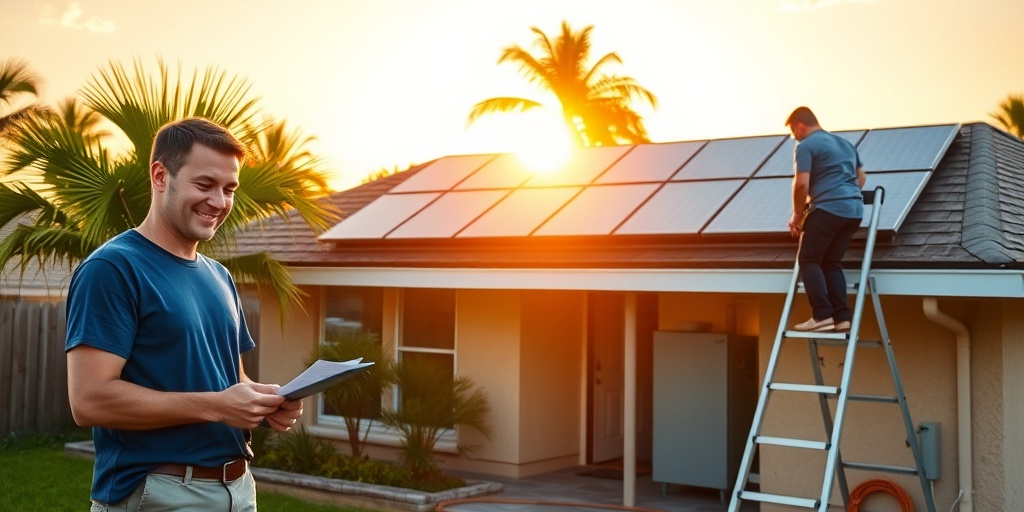
Every day across the Sunshine State, thousands of homeowners and business owners are making the leap to solar energy, driven by the desire to save money and reduce their environmental impact. Did you know that Florida ranks third in the United States for installed solar capacity, with over 5.6 gigawatts of solar power already in action? That translates to significant savings—about $800 annually for solar-powered homeowners compared to their grid-dependent neighbors (SEIA.org). Yet, for those contemplating solar panel installation, the journey can often feel daunting. With various factors at play, how can you guarantee a successful transition to solar power while maximizing your investment?
Welcome to our guide on 9 Essential Tips for Solar Panel Installation Success. Each tip is designed to empower Florida homeowners and commercial property owners with the knowledge they need to navigate this exciting yet complex process. As we approach 2025, understanding these strategies becomes urgent. Rising energy costs and the introduction of generous solar incentives make now the perfect time to go solar. Furthermore, utility companies in Florida are pushing for cleaner energy solutions, making solar power not just a choice, but a necessity.
In this comprehensive post, we discuss:
– A real-life case study illustrating the journey to solar
– An actionable installation checklist to ensure you’re on the right path
– Common myths and misconceptions about solar energy debunked
– Florida-specific insights that can impact your solar decision
– A deep dive into technical aspects of solar power that every buyer should know
Let’s embark on this enlightening journey to solar success together!
Case Study: A Florida Family’s Solar Journey
Meet the Montgomerys, a family of four living in St. Petersburg, Florida. Like many Florida homeowners, they faced rising energy costs and increasing uncertainties around the local electricity grid. After hearing neighbors boast about their solar savings, they decided to explore the possibility of solar panel installation. The Montgomerys began by researching local solar companies and quickly identified Florida Electric & Solar as a respected option due to its stellar reviews and commitment to customer education.
After the initial consultation, the Montgomerys learned that they could earn an estimated $12,800 in savings over 20 years by switching to solar. The strong incentive program in Florida, which offers tax exemptions and net metering benefits, further fueled their decision. They set their budget for a quality solar system that included panel installation, inverters, and even battery storage for potential blackouts.
- Step 1: Do an energy audit. The Montgomerys saved an estimated 15% on their initial system size by identifying energy inefficiencies.
- Step 2: Choose the right installer. They compared several companies, ensuring to check for certifications, licenses, and warranties.
- Step 3: Monitor the installation. By being present during the installation, they understood the process better and learned how to maintain their system.
- Step 4: Consider financing options. They took advantage of low-interest financing that made the upfront costs manageable.
- Step 5: Evaluate performance post-installation. Regular monitoring allowed them to optimize their output and further reduce their bills.
Through careful planning and research, the Montgomerys successfully installed their solar system in early 2025 and quickly noticed a dramatic decrease in their electric bill—over 60% savings in their first year alone!
This remarkable transformation is not just luck; it’s the result of informed choices and effective strategies. Every Floridian can have a successful solar journey, just like the Montgomerys, by implementing critical tips and being proactive about their solar investment.
Your Solar Installation Checklist
To ensure a seamless transition to solar energy, it’s crucial to have a detailed checklist to guide your journey. Below, we provide an essential to-do list every Florida homeowner should follow to maximize efficiency and savings while minimizing potential pitfalls:
- Step 1: Conduct an energy assessment. Before getting into the technicalities of solar installations, evaluate your current energy consumption. Review past electricity bills and focus on the peak usage times to understand your unique energy profile.
- Step 2: Obtain multiple quotes. Reach out to at least three reputable solar installation companies. Compare their prices, equipment quality, warranties offered, and customer service ratings to make a sound choice.
- Step 3: Choose the right equipment. Not all solar panels are created equal. Investigate the different types and brands, analyzing their efficiencies and warranties. Higher efficiency panels may cost more upfront but yield better long-term savings.
- Step 4: Assess local incentives. Research any available financial incentives in Florida, such as the federal solar tax credit (ITC), which can cover 30% of installation costs, plus any local rebates that may apply.
- Step 5: Stay engaged during installation. Actively participate in the installation process to ensure everything is installed correctly. Communicate with your installer if you have questions or concerns along the way.
This checklist can streamline your process, enhancing your solar installation experience and ensuring maximum efficiency. By adhering to these steps, you can rest assured that you’ve covered your bases and are set for a profitable solar investment.
Debunking Common Solar Myths
With any new technology comes a tidal wave of myths and misconceptions, especially in the solar industry. Let’s clear the air by debunking some of the most prevalent myths surrounding solar power:
- Myth #1: “Solar panels are too expensive.”
While the upfront costs can be high, they have been consistently declining, falling around 40% since 2014 (SolarReviews.com). The savings over time can recoup installation costs rapidly. - Myth #2: “Solar panels don’t work on cloudy days.”
Even when it is cloudy, solar panels can produce a significant amount of energy. As a matter of fact, they can still produce up to 80% of their rated capacity in cloudy conditions (NREL.gov). - Myth #3: “You can’t install solar if you have a shaded roof.”
Tree or building obstructions can be mitigated with strategic panel placement or ground-mounted systems, allowing homeowners with shaded roofs to still take advantage of solar energy. - Myth #4: “Solar energy is environmentally harmful.”
On the contrary, solar energy produces no emissions during operation, making it an eco-friendly alternative to fossil fuels (Energy.gov). - Myth #5: “Solar panels require too much maintenance.”
In reality, solar panels need minimal maintenance—typically just a wash to remove dust and debris once or twice a year.
Understanding these myths can help you make informed decisions and dispel any anxieties you may have about embarking on your solar journey. Make sure to visit floridaelectricandsolar.com to stay updated on more facts and trends regarding solar energy.
Florida-Specific Insights for Solar Success
Florida has unique advantages when it comes to solar energy, making it an ideal state for solar installation. Here are key insights specific to Florida that every potential buyer should consider:
- Solar incentives: Florida maintains a robust solar energy market bolstered by state policies encouraging installations. Programs like net metering allow homeowners to receive credits for excess energy produced, making installations more financially viable.
- Climate advantages: With an average of 237 sunny days each year, Florida is prime territory for solar energy. Homeowners can capitalize on long sunny days to generate maximum solar power (SEIA.org).
- Rising energy costs: Floridians have seen utility rates steadily increase. Predicting upward trends in energy pricing can provide additional incentive for homeowners to switch to solar before future price hikes hit (Energy.gov).
These factors make solar an attractive choice for those looking to lower energy bills and lessen their dependence on traditional energy sources. By taking advantage of what Florida has to offer, you can ensure that your solar decision pays off long-term.
The Technical Deep-Dive into Solar Power
While the practical aspects of solar installations are crucial, understanding the technical side is just as important. Here, we’ll explore essential details to ponder before installing a solar power system:
- Selecting the right inverter: Inverters are crucial for converting DC electricity generated by solar panels into usable AC electricity for your home. Choosing a high-quality inverter with a solid warranty can directly influence system performance and longevity.
- Battery storage systems: Incorporating battery storage can provide energy during power outages and enable you to optimize energy use. With advancements in technology, battery systems are becoming more efficient and cost-effective.
- Understanding net metering: Familiarize yourself with your utility’s net metering policies. Learning how excess energy is credited back to you can aid in predicting potential savings and return on investment.
- Annual maintenance checks: Annual evaluations can help ensure your system operates at peak efficiency. Assessing panel cleanliness and inverter functionality can prevent issues and prolong the lifespan of your investment.
By delving into these technical elements, you’ll be better prepared for your solar journey and aware of critical factors that can impact the performance of your system. Solar technology continues to evolve, making it a worthwhile investment for the future.
Next Steps for Florida Solar Buyers in 2025
As you move closer to making your solar dreams a reality, here’s a detailed action plan to follow. Each step emphasizes reducing frustration in your solar buying journey:
- Step 1: Audit your electric bill. Understanding your consumption helps tailor your solar system size to your specific needs.
- Step 2: Research installers. Find vetted, local solar installers with solid reputations. Look for customer reviews, warranties, and financing options.
- Step 3: Explore financing solutions. Evaluate alternative financing methods such as solar leases, power purchase agreements, or cash purchases. Each has its advantages.
- Step 4: Prepare your home. Ensure your roof is suitable for solar panels. If repairs are needed or if your roof is over 20 years old, consider upgrades before installing.
- Step 5: Finalize installation. Work with your chosen contractor to cement a timeline for installation and understand the permitting process.
Following these steps ensures you’re not only well-prepared but also sets you up to maximize the benefits of your solar energy system. To learn more about this process or for personalized assistance, be sure to visit floridaelectricandsolar.com.
No doubt, the pathway to solar energy is paved with both challenges and enormous rewards. The stories of families like the Montgomerys illuminate just how impactful and beneficial the decision to go solar can be. Are you ready to join them in securing a brighter future while nurturing the planet?
In summary, we’ve explored crucial tips for successful solar panel installation success and examined the local context that makes Florida a prime candidate for solar energy. As energy costs continue to rise and the availability of federal and state incentives increases, 2025 is your year to make a change for the better.
Ready to start your solar journey in 2025? Connect with a certified expert at floridaelectricandsolar.com today!
Related Articles
More insights about Solar Panel

Florida Homeowners: Why Solar Panel Maintenance Is Essential

7 Essential Steps for Solar Panel Installation Success

Expert Insights: Key Factors Influencing Solar Panel Lifespan
Ready to Go Solar?
Have questions about solar energy? Our experts are here to help you make the switch to clean, renewable energy.