
Avoid This Critical Solar Panel Installation Mistake Now
Share:
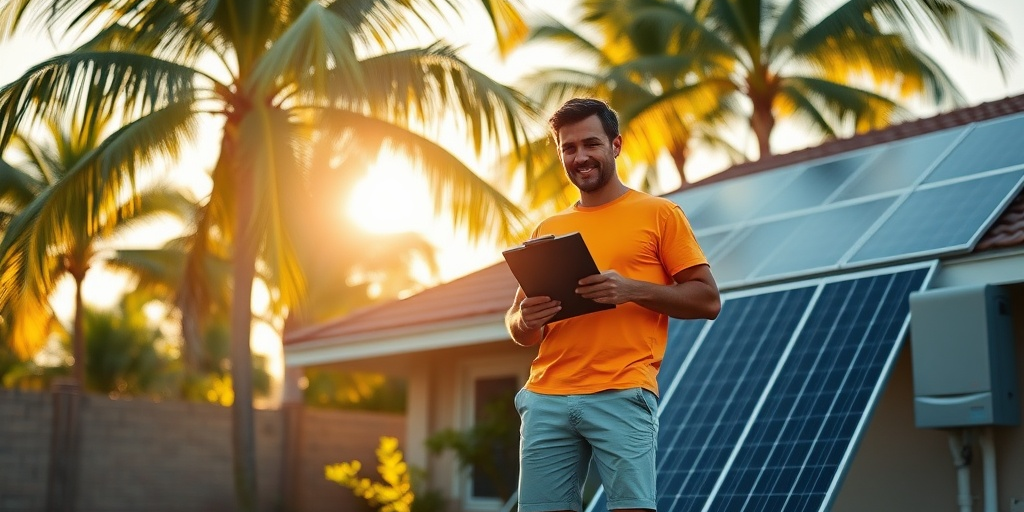
Picture this: a Florida homeowner, let’s call her Lisa, is excited about her new solar panel installation. She envisions slashing her electricity bills and minimizing her carbon footprint, all while enjoying the radiant sunshine streaming through her windows. But a few months later, frustration sets in as she realizes her energy savings are nowhere near what she expected. Why? Because Lisa overlooked one critical solar panel installation mistake. In 2025, as rising energy costs threaten to burden family budgets, learning about such pitfalls is more important than ever. This blog, aptly titled Avoid This Critical Solar Panel Installation Mistake Now, will explore how many homeowners, like Lisa, inadvertently sacrifice performance and savings through overlooked details during installation. With the increasing incentives for solar adoption (which are expected to remain dramatic through 2025), and the growing concern over grid instability in areas prone to tropical storms and hurricanes (Energy.gov), the urgency of addressing these issues has never been clearer. In this article, we’ll dive into five essential sections: a deep dive into the most common mistakes, actionable steps to avoid them, myth-busting around solar myths, best practices for Florida homeowners, and a step-by-step action plan. Stay tuned to ensure your solar journey is smooth and financially rewarding.
A Deep Dive into Common Mistakes in Solar Panel Installation
Did you know that over 70% of Florida homeowners who go solar encounter significant pitfalls during installation? This emphasizes the need for vigilance and knowledge in taking this crucial step towards renewable energy. Let’s explore the story of Lisa in more detail as we analyze the critical mistakes she made and how you can avoid them.
When Lisa decided to embrace solar energy in Florida, she was excited, but her enthusiasm quickly turned into anxiety when she discovered issues that affected her system’s performance. The installer she chose promised great savings but didn’t conduct a thorough analysis of her roofing conditions or the local climate. Lisa found out that, had she researched properly, she could have avoided a few costly mistakes, including:
- Ineffective panel orientation: Lisa lived under a canopy of pine trees, making certain parts of her roof ideal for solar panels while others were completely shaded. She didn’t arrange for a proper shading analysis.
- Inexperienced installation team: Selecting a cheaper company for installation cost her more in the long run due to inadequate installation techniques.
- Neglecting local regulations: Not all areas of Florida operate under the same rules; Lisa learned this the hard way when her installer failed to secure the necessary permits.
Each of these mistakes could have been avoided with a little more research and understanding of the installation process. According to the Solar Energy Industries Association, Florida’s solar market is expected to grow 50% in the next five years, making the stakes higher than ever for those considering rooftop installations (SEIA.org). Understanding the prevalent mistakes will empower homeowners like Lisa to make informed decisions.
To sidestep these traps, consider this checklist as your foundation in ensuring a smooth solar transition:
- Step 1: Conduct a comprehensive roof assessment.
- Step 2: Research and choose a reputable installation company with solid references.
- Step 3: Ensure all necessary permits and paperwork are secured before installation.
- Step 4: Schedule a shading analysis for maximum efficiency.
- Step 5: Plan for maintenance checks post-installation to keep your system running optimally.
As Lisa’s story illustrates, being well-informed can drastically change your solar experience. Unfortunately, many believe myths surrounding solar installations. Let’s bust those myths now!
Myth-Busting Common Misconceptions About Solar Panel Installations
There are several misconceptions regarding solar energy that hinder potential buyers from taking the plunge. Let’s debunk these myths with facts that illustrate the reality of solar power.
Myth #1: “Solar panels don’t work well in cloudy or rainy areas.” This is false. Solar panels can still generate electricity in cloudy or rainy conditions; in fact, the efficiency of solar panels can remain significant, with estimates showing up to 80% efficiency in overcast conditions.
Myth #2: “I can install solar panels myself and save money.” While DIY projects can be appealing, installing solar panels without professional help may lead to dangerous mistakes that could void warranties and lead to malfunctioning systems (SolarReviews.com).
Myth #3: “Once installed, I can forget about my solar system.” In reality, ongoing maintenance is crucial to ensure the longevity and efficiency of solar panels; neglecting this can lead to decreased performance.
Through shedding light on these myths, we aim to empower Florida homeowners with the confidence to make informed decisions about their solar investments. So, what are the best practices for maximization of your solar savings and performance? Let’s uncover the expert tips!
5 Expert Solar Installation Tips for 2025
For Florida homeowners looking to optimize their solar experience in 2025 and beyond, implementing best practices during the installation phase is essential. Here are five expert tips for you:
Don’t skimp on quality materials. Invest in high-quality, durable solar panels that can withstand Florida’s harsh weather conditions, ensuring long-term reliability.
Have a professional conduct a shading analysis. This simple step can identify potential shading issues, ensuring that your solar panels are placed in the optimal position to generate power throughout the day.
Don’t forget about permits. Always check that your installer secures the proper permits and meets local zoning laws. Ignoring this can lead to fines and disruptions later on.
Regularly maintain your system. Schedule an annual maintenance check with qualified technicians to ensure everything runs smoothly and efficiently.
Connect with local solar organizations. Engaging with community resources and associations can provide you with valuable insights and tips on best practices. For more information, visit floridaelectricandsolar.com.
Through these expert tips, you can ensure that your solar installation not only meets your initial expectations but exceeds them in efficiency and savings. However, many individuals are still unsure of the complete journey from consideration to completion. Let’s explore a fictional but realistic journey of a Florida homeowner.
A Day in the Life of a Florida Solar Homeowner
John is a typical homeowner in Orlando, Florida. After years of rising electricity bills, he decided it was time to explore solar energy. Below is a breakdown of his experience, shedding light on the steps to maximize this transition:
- Research Phase: John began his journey by educating himself on solar technology and began comparing providers.
- Consultation: He met with multiple companies for consultations, comparing services, warranties, and materials.
- Installation Day: On the day of installation, John made sure to be present to ask questions regarding placement and maintenance of the units.
- Post-Installation: After the installation was complete, he monitored his savings and energy output while scheduling regular maintenance checks.
- Community Engagement: John linked with local solar associations to stay informed on new advancements and regulations.
According to Bloomberg’s projections, solar installations are expected to double across the United States by 2025, meaning individuals like John are making the leap (Bloomberg). With each step in John’s journey, he not only enhanced his home’s energy efficiency but also gained knowledge to make well-informed decisions.
Next Steps for Florida Solar Buyers in 2025
By following the insights laid out, Florida homeowners can equip themselves with the necessary tools to avoid critical mistakes in their solar panel installation. The journey to a sustainable home can indeed feel overwhelming, but here is an actionable plan to help alleviate stress:
- Step 1: Audit your electric bill. Understand your usage to predict potential savings.
- Step 2: Research local solar providers and seek multiple quotes for comparison.
- Step 3: Schedule a thorough home energy assessment to identify solar system requirements.
- Step 4: Confirm all permits and regulations are met prior to installation.
- Step 5: Verify that a regular maintenance plan is in place to optimize performance.
For ongoing education and information, be sure to visit floridaelectricandsolar.com and connect with certified experts. Ensuring a successful solar installation will allow you to take control over your energy future today.
In conclusion, embarking on a solar journey as a Florida homeowner in 2025 is an empowering step towards energy independence—but knowing the critical installation mistakes to avoid is equally essential. Whether it’s through the captivating story of Lisa, the enlightened experience of John, or the well-structured steps outlined throughout this article, take the actionable insights provided to heart. Your decisions today will reverberate into the future, impacting your family’s financial health, sustainability, and energy autonomy. Urgency surrounds the transition to solar—don’t let missed opportunities slip away. Ready to start your solar journey in 2025? Connect with a certified expert at floridaelectricandsolar.com today!
Related Articles
More insights about Solar Panel

Florida Homeowners: Why Solar Panel Maintenance Is Essential

7 Essential Steps for Solar Panel Installation Success

Expert Insights: Key Factors Influencing Solar Panel Lifespan
Ready to Go Solar?
Have questions about solar energy? Our experts are here to help you make the switch to clean, renewable energy.