
Avoid These Critical Solar Scams to Protect Your Investment
Share:
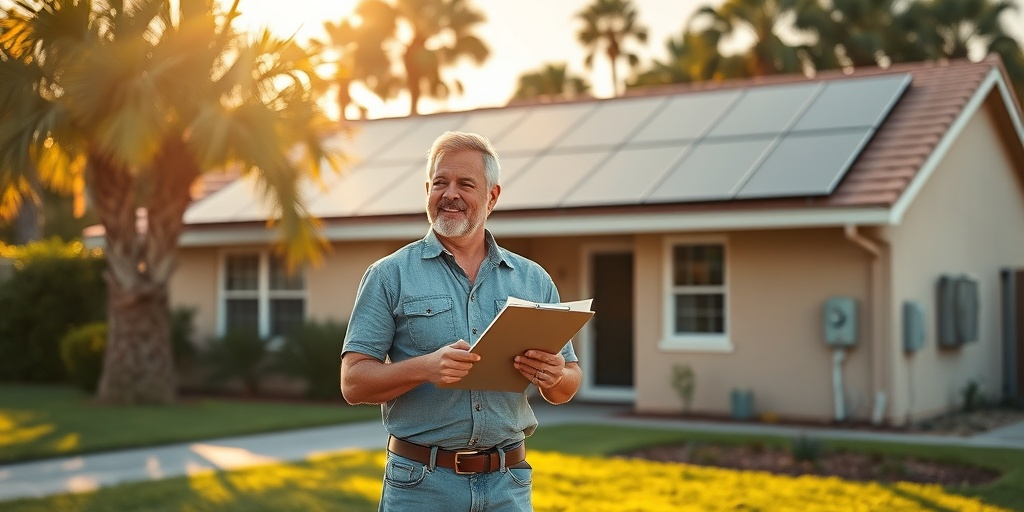
Imagine waking up one sunny morning in Florida, sipping your coffee, and feeling excited about the idea of saving money on your electricity bill while also contributing to a healthier planet. But before you dive into the world of solar energy, you might want to ask—are you aware of the potential scams lurking in the shadows? In 2025, as more Florida homeowners explore solar options, knowing how to “Avoid These Critical Solar Scams to Protect Your Investment” will be crucial. In fact, the Solar Energy Industries Association estimates that the solar market in Florida could reach $3.3 billion, drawing scammers eager to take advantage of unsuspecting buyers (SEIA.org). Moreover, Florida experienced a 16% increase in solar installations last year, which means both opportunities and risks are growing fast (SolarReviews.com).
With the state’s urgent need for energy independence combined with rising energy costs, it’s never been more vital to educate yourself about the sector. In 2025, incentives will continue to evolve, and many homeowners may feel pressured to go solar quickly—making it the perfect breeding ground for scams. This article will help you navigate the murky waters of solar investments by discussing:
- Real stories of solar scams in Florida
- A practical checklist to protect your investment
- Common myths that could cost you money
- Local information on Florida’s energy policies
- A deep dive into the technical aspects of solar installations
So let’s delve into the critical information that can save you from costly mistakes and ensure your transition to solar energy is not just a dream but a rewarding reality.
Unmasking Solar Scams: A Florida Case Study
Consider the story of Karen and Mike, long-time Florida homeowners excited about switching to solar energy in early 2025. They did their research and spoke to a sales representative who promised them impressive savings on their electric bill and a significant return on investment (ROI). However, just a few months later, Karen and Mike began receiving unexpected bills that were nearly twice their estimates. As it turned out, the solar company had hidden fees, misled them about energy output capacities, and sold them low-quality panels that required frequent maintenance.
Unfortunately, Karen and Mike are not alone. According to the Better Business Bureau, solar-related complaints have surged by over 30% in Florida in recent years, often due to misrepresentations and high-pressure sales techniques. To help you avoid falling into the same trap, here’s a straightforward checklist to guide your solar investment:
- Research the Company: Check customer reviews, look for any lawsuits, and confirm the company’s installation partners.
- Ask for Detailed Quotes: Ensure every cost is documented. A reputable company should provide a detailed breakdown of equipment, tax incentives, warranties, and warranties.
- Seek Independent Verification: Consult with local energy experts or independent third-party reviewers to validate energy performance claims.
- Read the Fine Print: Many contracts are filled with jargon. Make sure you understand the terms and conditions, especially around warranties and maintenance.
- Trust Your Instincts: If something feels off, it probably is. Be cautious if you feel rushed or pressured into making a quick decision.
Now, let’s tackle some common myths associated with solar energy that could undermine the financial benefits of your investment.
Myth-Busting: Common Solar Fallacies
Myth #1: Solar Energy is Too Expensive
Many Florida homeowners believe they cannot afford solar energy given the initial installation costs. In reality, federal tax incentives can offset up to 30% of the installation costs, while state-specific programs can offer additional savings.
Myth #2: Solar Panels Don’t Work on Cloudy Days
This misconception is particularly damaging in Florida, which has a rainy season. While solar panel efficiency can dip on cloudy days, they still generate power, allowing users to save significantly on their energy bills overall.
Myth #3: Installation Only Takes a Few Hours
Fewer homeowners understand that quality installations often can stretch over a multi-day period, depending on system size and complexity. Rushing the process can jeopardize the services and ultimately your ROI, as seen in Karen and Mike’s case.
Myth #4: All Solar Panels Are Created Equal
Not all solar panels are built the same, and lower quality may result in higher maintenance costs. Investing in high-efficiency panels may save on long-term energy costs despite the initial spending.
Myth #5: You Don’t Need Maintenance Once Installed
Many homeowners naively expect their solar systems to run without upkeep. Regular maintenance can significantly impact panel performance and longevity—neglecting it could lead to increased expenditures down the line.
With these myths debunked, let’s focus on Florida-specific solar policies and regulations that you should be aware of as you consider your investment.
Florida’s Solar Landscape: Policies and Pitfalls
Being informed about local regulations is imperative for Florida homeowners. The state provides a moderately welcoming climate for solar energy, reinforced by attractive incentives. Yet, understanding how to navigate them is key to a successful solar journey.
- Net Metering: Florida has a net metering policy that allows homeowners to receive credit for excess energy fed back into the grid. However, it is crucial to read the fine print and understand your utility’s specific policies to avoid being blindsided.
- Property Tax Exemptions: Florida law permits home solar system installations to remain exempt from property taxes, making it easier for homeowners to invest without worrying about added taxation on their improvements.
- Solar Easements: In Florida, having solar easements can be beneficial, ensuring you have access to sunlight for your solar panels. Homeowners should consider these easements when purchasing property or deciding on panel placements.
- Renewable Portfolio Standard: Florida has no official Renewable Portfolio Standards, meaning homeowners should remain vigilant and actively inquire into their utility’s renewable energy offerings and how solar can fit within that landscape.
With this knowledge, let’s explore the technical aspects of installation and billing that you need to know as you move forward in your solar investment.
The Technical Deep-Dive: Systems and Costs
Understanding the technical side of solar systems will empower you as an informed consumer. There are primarily three critical components involved in solar installations: solar panels, inverters, and battery storage systems.
- Solar Panels: Different types of solar panels, such as monocrystalline, polycrystalline, and thin-film, offer varying efficiencies and prices. Choosing the right ones can maximize your savings/ROI.
- Inverters: These devices convert the direct current (DC) generated by your panels into alternating current (AC) for home use. Be cautious when selecting inverters; poor-quality models can lead to increased maintenance and energy losses.
- Battery Storage: Investing in a solar-backed battery to store energy can be particularly beneficial in Florida’s hurricane season, ensuring your energy needs are met even during outages.
Did you know that over 50% of Florida solar installations now include energy storage solutions? This statistic reveals that not only are homeowners looking for solar installations, but they’re also prioritizing energy independence. By understanding the roles of these components, you can make decisions that significantly affect your financial return over time.
Next Steps for Florida Solar Buyers in 2025
As you embark on your solar investment journey in 2025, ensure you take the following steps:
- Step 1: Audit Your Electric Bill: Get a clear understanding of your current energy usage and costs. Knowing your baseline will help you assess your potential savings.
- Step 2: Research Solar Providers: Don’t rush into a decision; check reviews, get multiple quotes, and make sure to confirm the legitimacy of the companies you’re considering.
- Step 3: Understand System Sizing: Determine how many kilowatts your system needs to produce based on your past energy consumption. Speak with professionals to ensure proper sizing.
- Step 4: Review Contracts Carefully: Go through your contracts with a fine-tooth comb to understand your obligations, warranties, and any fees that may arise down the road.
- Step 5: Stay Informed: Regularly check Florida solar legislative updates and market trends to ensure you’re making informed decisions today that will pay dividends in the future.
The solar transition can be thrilling, but it comes with its own set of responsibilities and opportunities. By staying educated, you can sidestep the common pitfalls and genuinely protect your investment.
Ready to start your solar journey in 2025? Connect with a certified expert at floridaelectricandsolar.com today.
Related Articles
More insights about Solar Scams

Warning: Don’t Overlook These Solar Scams to Avoid

Don’t Miss This Critical Alert About Solar Scams

Don’t Ignore These Critical Solar Scams to Avoid
Ready to Go Solar?
Have questions about solar energy? Our experts are here to help you make the switch to clean, renewable energy.