
Avoid These Critical Solar Scams That Could Cost You
Share:
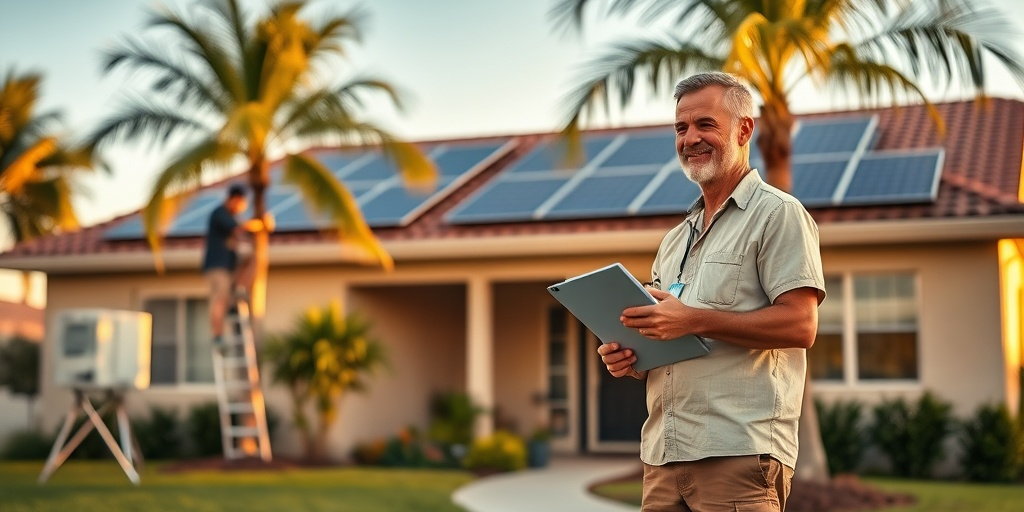
In 2025, the stakes are higher than ever for Florida homeowners looking to harness solar power. With energy costs projected to soar by over 30% in the next few years, many families are eagerly searching for ways to save money and secure their financial future. However, amid this growing interest in solar energy, an alarming number of deceptive practices have emerged, threatening to turn potential savings into costly mistakes. At Florida Electric & Solar, we are committed to helping you navigate this complex landscape. This post, titled Avoid These Critical Solar Scams That Could Cost You, highlights urgent issues in the solar industry that could mean the difference between prosperity and pitfalls for solar buyers. In fact, a recent survey found that nearly 50% of consumers feel overwhelmed and confused by solar options, while up to 30% risk falling victim to scams related to installation costs and financing offers (SEIA.org). With the improper choice of solar technology possibly increasing electric bills instead of decreasing them, knowing which traps to avoid is absolutely essential.
In this comprehensive guide, we’ll explore critical scams to avoid in the solar market, backed by compelling case studies, actionable checklists, myth debunking, and technical hints tailored to Florida homeowners. We’ll break down the inner workings of solar technology, offer local insights, and help you make informed decisions that can save you thousands. Here’s what you can expect:
- An in-depth look at scams and insurance pitfalls to navigate.
- A detailed checklist to protect your investment.
- Myths about solar that could mislead you.
- Florida-specific analyses to ground your decisions.
- Expert insights on best practices for solar installation.
Stay with us as we unveil these vital insights to help you seize control of your solar journey!
Beware of Deceptive Offers: Common Scams in the Solar Industry
Every year, countless Florida homeowners are lured into making regrettable decisions due to unscrupulous solar sales tactics. Consider the case of Anne and Mark, a couple from Orlando who had signaled their interest in going solar to save on their electric bills as well as to protect their family from rising energy costs. However, after engaging with a flashy marketing company that promised extreme savings with a new solar financing plan, they found themselves stuck in a convoluted, long-term contract. Unbeknownst to them, hidden fees on their agreement meant their initial enthusiasm faded into financial anxiety.
The grim reality is that scams such as the one that ensnared Anne and Mark are all too common. According to a report from the Federal Trade Commission, complaints about misleading solar sales practices have doubled in recent years (FTC.gov). Here are a few critical warnings about widespread scams you need to watch for, laid out in a simple checklist:
- Step 1: Research the Company – Verify licenses, reviews, and customer testimonials to find a reputable solar installer.
- Step 2: Investigate Financing Options – Look for transparent loan terms. Avoid offers that seem too good to be true. A significant number of customers who claim savings often find hidden costs that offset those benefits.
- Step 3: Be Wary of Upfront Fees – Reputable companies often allow you to pay after savings begin. Paying large upfront fees could be a red flag.
- Step 4: Understand Your Warranty – Scams often come with little to no warranty. Make sure to ask about it and read the fine print.
- Step 5: Avoid High-Pressure Sales Tactics – Legitimate companies will give you time to deliberate. If you’re feeling rushed, step back and reconsider.
The urgency to safeguard your investment has never been clearer, especially in Florida where abundant sunshine fuels the solar revolution. Yet, many believe myths that could mislead them on their solar journey. Let’s break down some of the pervasive misconceptions.
Myth-Busting Common Solar Misconceptions
Many consumers are led astray by prevailing myths surrounding solar energy. By exposing these fallacies, we empower you with the truth needed for an informed decision. Here are the top myths debunked:
- Myth #1: Solar Panels Are Too Expensive – With state incentives and federal tax credits, the long-term savings on electric bills often surpass initial investments, making solar more affordable than many assume (NREL.gov).
- Myth #2: Solar Energy is Only for the Wealthy – Government programs entice a broad demographic. Florida’s Property Assessed Clean Energy (PACE) financing provides options ensuring that even families on a budget can access solar power financing.
- Myth #3: My Roof Isn’t Ideal for Solar Panel Installation – Current technology is versatile—many different types of roofs can support solar energy systems, and qualified installers can suggest the best solutions tailored to your home.
- Myth #4: Solar Panels Require Constant Maintenance – Contrary to this belief, solar systems typically require little maintenance, such as occasional cleaning and checks by a professional every few years.
- Myth #5: The Federal Tax Credit Is Always Available – The investment tax credit (ITC) is set to decline in the coming years. Securing your system in 2025 ensures you can avail yourself of favorable rates before they decrease.
Misinformation can cloud your judgment, but knowing the realities of the solar landscape can illuminate your path. Furthermore, understanding solar technology itself is equally important. Every component, from panels to inverters, plays a crucial role in determining the success of your solar investment.
Understanding Solar Components: Panels, Batteries, and Inverters
The technical aspects of solar power can be daunting, but having a grasp of the terminology and components helps you make informed decisions. Let’s break down six essential components involved in a solar energy system:
- Solar Panels – The core element that converts sunlight into usable electricity. Look for high-efficiency panels that offer longer warranties for peace of mind.
- Inverters – These devices convert the Direct Current (DC) electricity generated by solar panels into Alternating Current (AC) electricity, which powers your home appliances. Choose inverters with robust warranties and performance metrics.
- Batteries – Energy storage systems allow you to use excess electricity generated during sunny days when solar production is low, preserving the investment’s long-term viability.
- Mounting Systems – The method by which panels are attached to your roof or ground. Proper mounting ensures durability against extreme weather.
- Monitoring Systems – Keeping track of energy production and usage is essential. Look for systems providing real-time data visibility.
- Utility Interconnection – Understanding how to connect your solar system with your utility provider is critical. This affects how you receive credits for excess electricity generated.
Knowledge is essential as you evaluate the constituents of your solar energy system. As an example, selecting the right inverter can significantly impact your system’s efficiency. Just remember, as a Florida homeowner, the time to act and invest wisely is now.
Your Next Steps as a Solar Buyer in Florida
Taking the leap into solar should not be taken lightly. There are crucial steps you must undertake to protect your investment, enhance savings, and avoid being scammed. Here’s a simple action plan that outlines your next steps:
- Step 1: Audit Your Electric Bill – Gather your previous bills to analyze your energy consumption. This will help you gauge how much you could save with solar energy.
- Step 2: Research Incentives – Investigate available federal, state, and local incentives to mitigate initial costs. Many Floridians qualify for attractive financing options and tax credits.
- Step 3: Get Multiple Quotes – Don’t settle for the first offer. Obtaining various estimates allows you to compare costs, system variants, and price structures.
- Step 4: Verify Installation Credentials – Research licenses, certifications, and reviews for contractors. Broadly connect with networking platforms to get a sense of your installer’s reputation.
- Step 5: Review Your Warranty & Insurance – Confirm what guarantees cover repairs and maintenance. Selecting installations with extended warranties minimizes your long-term risk.
Becoming a solar energy buyer in Florida can mean the difference between lowering your energy costs or being trapped in unforeseen loopholes due to scams. The deadline for taking advantage of current incentives is fast approaching, so don’t wait!
Conclusion: Your Solar Journey Awaits
As you now understand, the solar power market, though promising, is riddled with potential pitfalls. Recognizing scams that could cost you is paramount in ensuring you embark on a rewarding solar journey. We’ve navigated critical scams to avoid, debunked common myths, illuminated essential technologies, and provided you with an action plan tailored specifically for Florida homeowners.
The decisions you make today impact not only your immediate finances but also your family’s future. With the sun brightening your home and the right solar setup, you can own your power, maximize your savings, and protect yourself from rising energy costs. Don’t let confusion or deceit deter you—seize control of your energy future.
Ready to start your solar journey in 2025? Connect with a certified expert at floridaelectricandsolar.com today.
Related Articles
More insights about Solar Scams

Warning: Don’t Overlook These Solar Scams to Avoid

Don’t Miss This Critical Alert About Solar Scams

Don’t Ignore These Critical Solar Scams to Avoid
Ready to Go Solar?
Have questions about solar energy? Our experts are here to help you make the switch to clean, renewable energy.