
Beginner’s Guide to Solar Panel Installation for Florida Homeowners
Share:
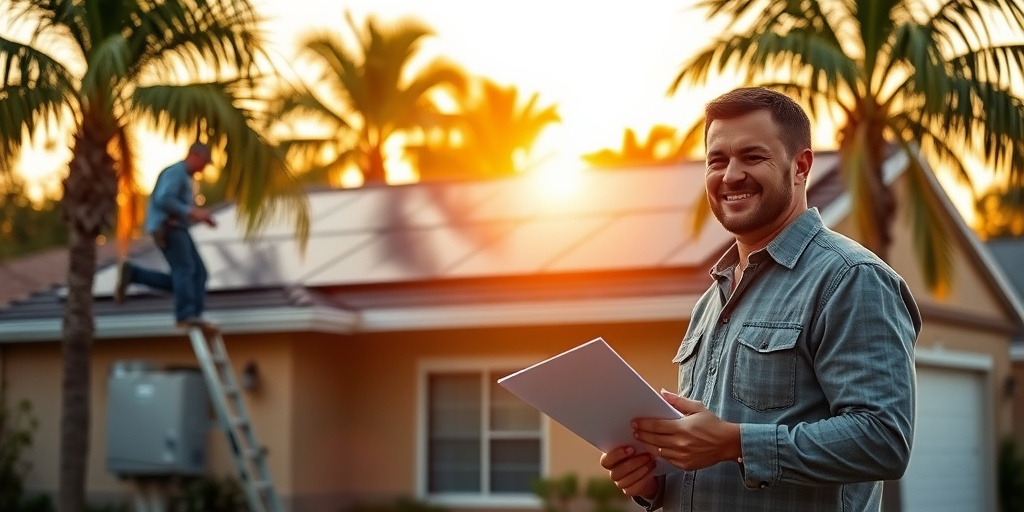
Imagine waking up every morning knowing that your home’s energy costs are significantly lower and that you’re contributing to a cleaner environment. For Florida homeowners, this dream is increasingly becoming a reality, as more families and businesses are turning to solar power. In fact, according to the Solar Energy Industries Association, Florida ranks among the top states for solar installations, with over 74,000 solar systems generating renewable energy across the state (SEIA.org). As we approach 2025, now is the time to understand the ins and outs of solar panel installation, especially with new incentives and funding opportunities available for solar energy investments. In this guide, you’ll discover essential tips in the Beginner’s Guide to Solar Panel Installation for Florida Homeowners—learn how to make the most of your investment today!
As energy prices continue to rise and traditional sources become more volatile, many homeowners are reevaluating their energy strategies. The average Florida household pays $131.27 per month on their electricity bill, making solar power a more attractive option for significant savings over time (Energy.gov). Moreover, with ongoing developments in state policies aimed at making solar more accessible, including Property Assessed Clean Energy (PACE) programs and federal tax incentives, 2025 is shaping up to be a pivotal year for solar energy in Florida. In this article, we’ll explore five upcoming sections to anchor your understanding as you embark on your solar journey:
- Real Florida Homeowners Share Their Solar Stories
- Your Step-by-Step Guide to Installation
- Dispel Common Solar Myths
- Florida-Specific Information for Solar Success
- Understanding Technology and Billing for Solar
Real Florida Homeowners Share Their Solar Stories
Meet Sarah and Tom, a couple who live in a cozy, two-story home on the outskirts of Jacksonville. After spending years under the weight of rising energy bills, they decided it was time for a change. With their installation complete, they proudly note, “We’re saving an average of $120 per month on our electric bills, and we feel good knowing we’re contributing to a cleaner planet.” Their journey toward solar energy began with significant research and a desire to understand the full process of installation.
- Research Your Options: Sarah and Tom began by evaluating local solar companies, specifically targeting those that provide exceptional service and advice.
- Get Multiple Quotes: They gathered quotes from three different providers. This gave them a solid idea of what was available and the best pricing.
- Understand the Equipment: They learned about the different types of solar panels, inverters, and battery storage options, ultimately settling on a high-efficiency system suitable for their needs.
What’s telling is that Sarah and Tom represent a growing trend; according to recent statistics, over 20% of Floridians are more likely to consider solar energy in 2025 compared to previous years, as rising energy costs and increased awareness of sustainability motivate the shift (SolarReviews.com).
However, along their journey, they also faced misconceptions about solar energy: one was the fear of high upfront costs. As they delved deeper, they discovered various financing options, such as solar loans or lease agreements, that made transitioning to solar much more feasible.
In the end, the installation took just two days, and the couple now enjoys energy independence from their local utility company. “The decision to switch to solar has transformed not only our finances but also our peace of mind,” said Sarah.
As you consider your journey into solar energy, keep their story in mind. Your own adventure could lead to similar success.
Check Your Solar Potential: Before making a commitment, consider conducting a solar evaluation specific to your home’s location and energy needs. You may do this by visiting floridaelectricandsolar.com for insights tailored to your unique situation.
Your Step-by-Step Guide to Installation
If you’re ready to step into the world of solar energy, having a solid plan is essential. Below is a clear action-oriented checklist that serves as a useful guide to navigate the installation process of solar panels for your home.
- Step 1: Audit Your Energy Usage
- Step 2: Research Local Solar Providers
- Step 3: Get Multiple Quotes
- Step 4: Understand Financing Options
- Step 5: Schedule Installation and Monitoring
Before installation, knowing how much energy you consume is vital. Review your electricity bills from the past year to determine your average monthly usage, as this will dictate your solar system’s size.
Seek installers who are certified and have positive customer reviews. Look for companies that specifically mention their experience with Florida solar projects, as they’ll be most knowledgeable about local regulations and incentives.
Like Sarah and Tom, approach at least three providers to get a comparative analysis of quotes. This is crucial to ensure you’re getting a fair price and adequate service.
Don’t be deterred by the initial investment required. Explore various financing options including loans, leases, and Power Purchase Agreements (PPAs). If eligible, take advantage of federal and state incentives that can significantly reduce upfront costs.
Once you’ve made your choice, confirm the installation date with your provider. After installation, set up a monitoring system to track your energy production, which can help you evaluate the efficiency of your solar system.
According to industry experts, 2025 is projected to see significant advancements in solar panel technology, which may lead to even lower costs and high efficiency—making it paramount to get on board sooner rather than later (NREL.gov).
With this step-by-step framework in mind, you are better equipped to take action toward solar ownership and energy independence.
Dispel Common Solar Myths
Despite the growing popularity of solar energy, misconceptions abound. It’s time to erase these myths and provide you with the truths that can help guide your solar journey as a Florida homeowner.
Myth #1: Solar Panels Only Work in Direct Sunlight.
This is perhaps one of the most common misconceptions. Even though solar panels perform best in sunlight, they can still generate power on cloudy days. Performance generally dips but they remain effective.
Myth #2: Installing Solar Panels is Too Expensive.
Upfront costs can be mitigated significantly through financing programs such as the Federal Solar Investment Tax Credit (ITC) and local rebates available for Florida homeowners, making solar much more affordable than perceived.
Myth #3: Solar Will Ruin the Appearance of My Home.
Modern solar panels are designed with aesthetics in mind. They can be integrated into your roof with minimal visual impact, making them an attractive addition rather than a detracting feature.
Myth #4: Solar Panels Require Constant Maintenance.
One of the benefits of solar technology is its low maintenance requirements, typically needing only a periodic cleaning to maintain optimal efficiency.
Myth #5: Solar Energy is Only for the Wealthy.
Solar has become increasingly accessible; financial aid and payment plans mean that homeowners from various socio-economic backgrounds can benefit from its advantages.
As you navigate your decision to install solar panels, keep these facts top of mind. As per studies, more than 55% of homeowners planning to install solar are motivated by environmental concerns, alongside energy savings (SolarReviews.com). Your choices can make a tremendous difference, both economically and environmentally.
Florida-Specific Information for Solar Success
Florida is often dubbed the “Sunshine State,” and with the abundance of sunlight, the potential for solar energy is immense. Yet, beyond just sunny days, there are specific strategies and policies in Florida to maximize the benefits of solar installation.
Florida Solar Rights: Homeowners have the right to install solar energy devices with minimal interference from homeowners’ associations (HOAs). This law is designed to encourage solar adoption and protect homeowners from bans on solar installations.
Net Metering: Florida offers net metering, allowing you to receive credits for the excess energy your solar panels generate and send back to the power grid. These credits can offset your electricity bills, allowing for significant savings (Energy.gov).
Incentives and Rebates: As of 2025, the Federal Solar Investment Tax Credit allows you to deduct a significant percentage of the installation costs from your federal tax liability. Florida has additional incentives as well, including the Florida Solar and Energy Conservation Act (FSECA), which encourages energy efficiency and solar.
Low-Interest Loans and Financing: State programs like PACE offer financing options for homeowners, enabling them to pay for their solar systems over time through additional property taxes. This can make the transition to solar more manageable.
By being informed about these local resources and opportunities, you can confidently pursue solar installation and make the most of the Sunny Florida skies.
Understanding Technology and Billing for Solar
The final hurdle to overcoming doubts about going solar is to fully understand the technology and how it impacts your electricity billing. Here’s a closer look at some essential terms and components that will enhance your knowledge.
- Solar Panels: These are the most critical components, converting sunlight into electricity. Selecting high-efficiency panels can lead to better performance and smaller system size.
- Inverters: These devices convert the direct current (DC) produced by solar panels into alternating current (AC), which is what your home appliances use. Understanding the types of inverters (string inverters vs. microinverters) can influence system performance.
- Batteries: Solar batteries store excess energy generated during the day for use at night or during outages. Evaluating battery storage needs can add another layer of independence.
- Utility Bills: With solar energy, your bills will change; you may see a decrease in your utility bill, and receiving credits from net metering can result in monthly savings.
- Monitoring Systems: Solar monitoring tools let you track your energy production in real-time, helping homeowners assess system performance and spot potential issues quickly.
As solar technology continues to evolve through 2025, new systems are being developed that offer improved efficiency and cost savings for consumers. With vigilant planning and informed decision-making, staying up to date can pave the way to a bright solar future.
Next Steps for Florida Solar Buyers in 2025
After exploring the benefits and mechanisms of solar installation, it’s time to implement a plan of action. Below are detailed steps to simplify your transition to solar energy.
- Step 1: Audit Your Electric Bill
Understand your energy consumption, peak usage times, and how these factors can influence the size and efficiency of your solar system. - Step 2: Research Incentives
Thoroughly investigate available state and federal incentives for solar installation. Understand your eligibility for rebates and tax reductions. - Step 3: Engage with Local Providers
Initiate discussions with local solar companies for quotes. Ensure they have an established track record in the Florida solar market. - Step 4: Consider Long-term Financial Benefits
Assess financing options and choose a suitable payment plan that aligns with your budget. Evaluate long-term savings in relation to your initial investment. - Step 5: Installation and Monitoring
Schedule installation with your chosen provider, and set up monitoring to track your solar energy output and savings over time.
Finally, don’t forget to review your decision with other family members and discuss its impact on your long-term financial health and environmental responsibility. Engaging with knowledgeable professionals can help quiet any remaining concerns.
Ready to start your solar journey in 2025? Connect with a certified expert at floridaelectricandsolar.com today. By taking proactive steps toward solar energy, you will be investing in your future and paving the way for a sustainable and financially responsible lifestyle.
Related Articles
More insights about Solar Panel

Florida Homeowners: Why Solar Panel Maintenance Is Essential

7 Essential Steps for Solar Panel Installation Success

Expert Insights: Key Factors Influencing Solar Panel Lifespan
Ready to Go Solar?
Have questions about solar energy? Our experts are here to help you make the switch to clean, renewable energy.