
Beginner’s Guide to Solar Panel Installation Options in Florida
Share:
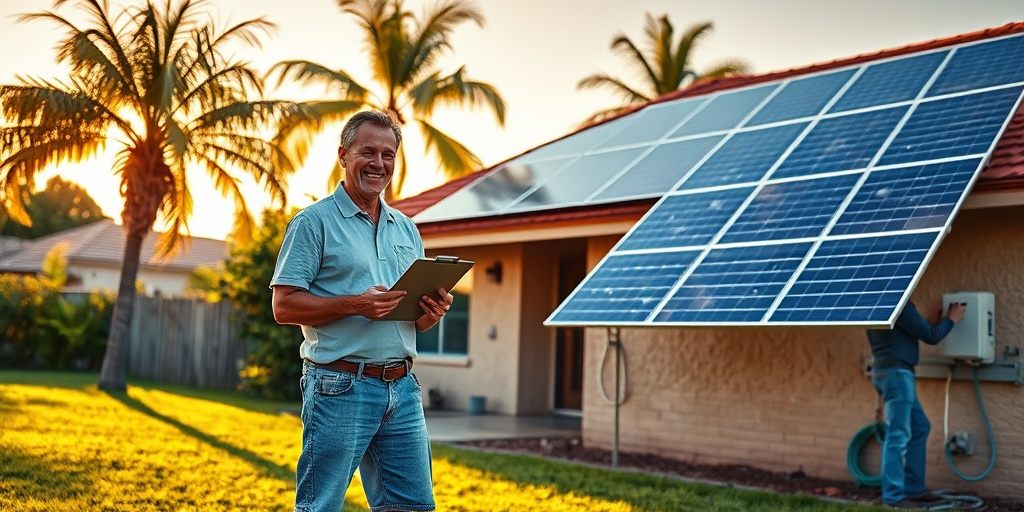
As a Florida homeowner, the prospect of reducing your electric bill by 70% sounds enticing, doesn’t it? However, navigating the world of solar panel installation can be overwhelming, especially with the number of options available, and the rising energy costs making solar power more appealing than ever. According to the Solar Energy Industries Association (SEIA), Florida ranks among the top three states for solar installations, and approximately 10% of Florida homes already utilize solar energy systems (SEIA.org). In 2025, the urgency to consider solar options is more pressing due to ongoing shifts in energy policy and incentives designed to help households go green. Welcome to the **Beginner’s Guide to Solar Panel Installation Options in Florida**—a comprehensive resource designed to help you navigate your choices and maximize your savings today!
As you read through this guide, you’ll discover essential insights on various installation options, the financial implications of switching to solar power, and practical tips from industry experts. This guide will cover five key areas: first, we’ll examine the different solar panel installation options tailored for beginners; next, you’ll learn the critical checklist that every prospective solar buyer should follow; then, we’ll debunk common myths that often cloud a homeowner’s decision-making process. After that, we’ll focus on the local landscape of solar energy in Florida and its unique features. Finally, we’ll conclude with actionable plans that will help you take the next steps towards owning your energy. Ready to embark on your solar journey? Let’s dive in!
Understanding Your Solar Panel Installation Options in Florida
Choosing the right solar panel installation option is not just about saving money—it’s about aligning your energy needs with a sustainable future. Meet Jill, a single mom from Orlando who made the leap into solar last year. Facing a monthly electric bill reaching $300, Jill felt the pressure of rising energy costs and wanted to provide a stable environment for her children. After thorough research, she chose a solar power system that not only reduced her bills but also increased the value of her home.
Here’s a step-by-step checklist that you should consider when exploring solar installation options:
- Step 1: Assess Your Energy Needs – Before making any decisions, analyze your current energy consumption to determine how much energy you will need from a solar system. Use your latest electric bills as a guide.
- Step 2: Consider Your Roof Type and Orientation – The type and direction of your roof significantly impact solar efficiency. South-facing roofs typically yield the best results.
- Step 3: Explore Financing Options – There are various financing options to consider including loans, leases, and power purchase agreements (PPAs). Evaluate which option works best for your financial situation.
- Step 4: Research Installation Companies – Look for reputable solar companies in Florida and read customer reviews. Experience in local weather conditions is noteworthy.
- Step 5: Understand Local Incentives – Florida has state and federal incentives designed to promote solar energy. Be sure to explore programs like the Renewable Energy Technologies Sales Tax Exemption (Energy.gov).
While navigating solar options, it’s crucial to dispel some myths that can misinform your decision-making. One common misconception is that solar panels are too expensive. In fact, the cost of solar has dropped significantly—over 70% in the last decade, making it more accessible than ever. Additionally, there’s a belief that solar energy is only feasible in sunny states. However, even cloudy regions can benefit, although the efficiency may vary (SolarReviews.com).
Lastly, let’s focus on a technical deep-dive: modern solar systems consist of solar panels, inverters, and batteries. The panels convert sunlight to electricity, the inverter transforms that energy into a usable form, and the batteries store excess energy for when it’s needed. Together, these components offer seamless integration into your home’s energy system, ensuring you have power whenever you need it.
As you move forward in this guide, remember that understanding your options is your first solid step toward a more sustainable and empowered home.
Your Essential Checklist for Solar Panel Installation
Choosing solar installation is a commitment that promises significant benefits, but it also requires a bit of preparation. Let’s break down the essential checklist you should follow as a beginner in the solar landscape.
- Determine Your Energy Profile: Review historical energy usage to identify trends and peak usage times. This insight helps in estimating the size of the solar system you’ll need to maximize savings.
- Evaluate Your Site: Inspect the area where solar panels may be installed. Objects like trees, power lines, and roofs can obstruct sunlight, reducing efficiency.
- Understand Tax Credits: The current federal solar tax credit allows homeowners to deduct 26% of their solar installation costs from their taxes (Energy.gov). Be sure to claim this to maximize your financial benefits.
- Choose Between Buying or Leasing: Decide if you prefer to buy a system outright or lease it. Buying offers the best long-term savings, while leasing can be a more budget-friendly initial investment.
- Contact Local Installers: Reach out to multiple companies for quotes and remember to ask about their installation warranty, customer service rating, and EPA certifications to ensure quality.
With this checklist in hand, you’re well on your way to making an informed decision regarding solar panel installation. Also, don’t hesitate to connect with local experts at floridaelectricandsolar.com who can provide tailored guidance and support throughout your solar journey.
Debunking Common Myths Surrounding Solar Energy for Florida Homeowners
As a Florida homeowner, it’s essential to recognize and overcome some common myths surrounding solar energy. These misconceptions can often hinder individuals from making the switch to solar power.
Myth #1: Solar Power Only Works in Sunny States – While it’s true that Florida’s sunny climate is advantageous for solar energy generation, solar panels can still produce energy on cloudy days. Many systems can function with as little as 25% sunlight.
Myth #2: Solar Panels Are Too Expensive – The price of solar panels has significantly decreased in the past few years, making installations more affordable. With various government incentives, financing options, and long-term savings on energy costs, the return on investment can be substantial (SolarReviews.com).
Myth #3: Solar Energy Isn’t Reliable – Solar technology has advanced considerably, with modern solar panels being reliable and efficient. They also come with warranties that can provide lasting assurance of their viability.
Myth #4: Installing Solar Will Destroy My Roof – When installed correctly by professional installers, solar panels can protect and preserve your roof. They are typically mounted on brackets, causing minimal intrusion.
Myth #5: You Need to Be Off the Grid to Benefit – While some homeowners choose off-grid living, many opt for grid-tied systems that allow them to save money while remaining connected to their utility provider. This provides the advantage of selling excess power back to the grid.
Understanding these myths allows you to make informed decisions and helps debunk common misconceptions that could lead you to avoid the benefits of solar energy. Embracing solar power means making a sustainable choice for your home and your future.
5 Expert Solar Installation Tips for 2025
As you contemplate the decision to install solar panels, it’s critical to have a strategy that positions you for success. Here are five essential tips from solar energy experts designed to empower you in the installation process:
- Do Your Research: Equip yourself with comprehensive information about solar panels, government incentives, and the installation process. Resourceful websites can guide you through common questions and concerns.
- Use Professional Installers: Avoid DIY installations, as professional experience yields better results. Make sure to check for their credentials and track record in Florida.
- Monitor Your Solar Output: After installation, utilize monitoring systems to track energy production and ensure your system is performing optimally.
- Stay Updated on Policy Changes: Solar energy policy can shift, so staying informed about state and federal regulations can help you leverage new incentives that arise.
- Consider Battery Storage: Investing in battery storage allows you to store excess energy produced and use it during peak hours, enabling more control over your energy costs.
By following these expert tips, you can ensure a successful transition to solar and make the most of your investment. Engaging with knowledgeable local providers helps streamline this process and maximizes your potential benefits.
The Solar Journey of a Fictional Florida Homeowner
Meet Mark, a fictional homeowner residing in Sarasota. Mark was initially skeptical about investing in solar energy. However, after experiencing a particularly steep increase in his electric bill, he decided to investigate further. The more information he discovered, the more his interest piqued.
Mark’s journey began with a thorough evaluation of his home. He identified that his south-facing roof received a substantial amount of sunlight, making it an ideal candidate for solar installation. With his utility bills averaging $250, he knew he could benefit significantly from solar.
After consulting with a local solar provider, Mark learned about the financial incentives available to him as a Florida homeowner. With questions answered and a clear action plan, he felt confident in moving forward. Here’s a snapshot of pivotal moments in Mark’s journey:
- **Potential Savings:** After projections from his installer, Mark discovered he could save over $800 annually on his electric bill by going solar.
- **Financing Options:** Mark selected a solar loan that made the initial investment possible without a hefty upfront payment (SEIA.org).
- **Environmental Benefits:** The decision empowered Mark to lower his carbon footprint and participate actively in renewable energy solutions.
- **Increased Home Value:** Reports indicated that homes with solar installations appreciably increased in market value, adding to Mark’s peace of mind.
Mark’s experience exemplifies how solar energy can positively impact not only finances but also lifestyle. He now enjoys a sense of accomplishment every time he sees his solar panels generate clean energy, effectively powering his home.
Next Steps for Florida Solar Buyers in 2025
Congratulations! You’ve reached this pivotal point in your solar journey. With all the necessary information at your fingertips, it’s time to map your next action steps towards installation.
Step 1: Audit Your Electric Bill – Begin by understanding your energy consumption patterns. Identify the peak months in usage, which will help detect savings potential with solar power.
Step 2: Research Installation Companies – Compile a list of potential solar installers. Check for customer reviews, warranty offers, and their familiarity with Florida’s unique installation requirements.
Step 3: Schedule Consultations – Participate in consultations to obtain personalized quotes. Discuss incentives and financing options available to you.
Step 4: Evaluate Your Options – Compare bids provided by different companies, taking time to assess the quality of equipment, installation services, and customer support.
Step 5: Make the Move! – Once you’ve made your selection, sign the installation contract and prepare for your new solar system to be installed. Enjoy direct feedback from the installation team to ensure you are engaged at every step.
The sun is shining brightly for Florida solar buyers, and you have the opportunity to own your energy future! For more detailed assistance, engage with experts at floridaelectricandsolar.com who can provide tailored solutions to fit your unique needs.
In conclusion, your journey to solar energy in Florida can be one filled with empowerment and savings. The **Beginner’s Guide to Solar Panel Installation Options in Florida** has equipped you with insight, actionable steps, and an understanding of the local landscape. As we step into 2025, remember that rising energy costs and new incentives are presenting unique opportunities to invest in solar energy. Not only does going solar make financial sense—it provides future generations with a cleaner, more sustainable environment.
Ready to start your solar journey in 2025? Connect with a certified expert at floridaelectricandsolar.com today!
Related Articles
More insights about Solar Panel

Florida Homeowners: Why Solar Panel Maintenance Is Essential

7 Essential Steps for Solar Panel Installation Success

Expert Insights: Key Factors Influencing Solar Panel Lifespan
Ready to Go Solar?
Have questions about solar energy? Our experts are here to help you make the switch to clean, renewable energy.