
Beginner’s Guide to Solar Panel Lifespan and Maintenance
Share:
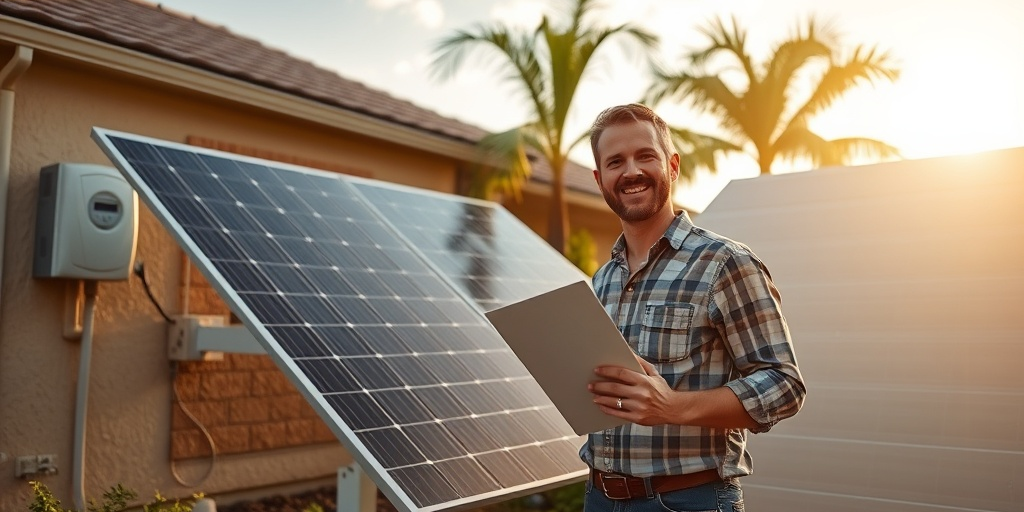
Beginner’s Guide to Solar Panel Lifespan and Maintenance
With solar energy adoption surging across the United States, Florida stands out as a beacon of opportunity and promise. Did you know that over 70% of new home constructions in Florida are now incorporating solar panel systems? This impressive statistic highlights the significant shift towards renewable energy solutions. Yet, among homeowners and commercial property owners alike, a lingering uncertainty exists about solar panel lifespan and maintenance. Concerns about investment longevity, performance optimization, and overall efficiency must be addressed urgently, especially as rising energy costs prompt many to reconsider their energy sources in 2025. In this Beginner’s Guide to Solar Panel Lifespan and Maintenance, you will discover how to not only protect your investment but maximize its potential. We will delve into five crucial sections: an in-depth case study of a Florida homeowner’s experience, a comprehensive checklist of maintenance steps, myth-busting common misconceptions, a focus on local policies affecting solar energy, and a technical breakdown of system components that affect reliability and lifespan. Join us as we embark on this enlightening journey to illuminate your path to sustainable energy solutions.
Case Study: The Solar Journey of the Rodriguez Family
Meet the Rodriguez family from Tampa, Florida, who took the plunge into solar energy two years ago. As the rising cost of electricity began to chip away at their monthly budget, Maria Rodriguez, a mother of three, felt increasingly anxious about the long-term implications of their energy expenditure. After conducting extensive research, they decided to go solar, only to discover a wealth of new information about solar panel lifespan and maintenance.
The Rodriguez family made a significant investment—they installed a 6 kW solar panel system on their roof, which covered over 70% of their electricity needs. Historically, solar panels last between 25 to 30 years, but much depends on maintenance and environmental factors. The family quickly learned that they could extend the longevity of their investment with proper care, such as keeping the panels free of debris, scheduling regular inspections, and staying informed about the best practices for care.
Within the first year alone, their decision to go solar paid off. They saved nearly $1,800 on their energy bills while also contributing to a cleaner environment. However, as 2025 approaches with new solar incentives and policies in place across Florida, understanding maintenance and lifespan has become increasingly vital. Indeed, solar panels are expected to degrade at a rate of approximately 0.5% to 1% per year, meaning sufficient maintenance can help counterbalance this inevitable decline in efficiency (Energy.gov).
As the Rodriguez family’s story illustrates, using the right strategies can prolong the life of a solar system and maximize savings. Here’s a quick checklist they relied upon to ensure their panels performed optimally:
- Regular cleaning: Remove dust, bird droppings, and leaves that can block sunlight.
- Annual inspections: Schedule professional check-ups to ensure all components are working efficiently.
- Monitor energy output: Keep track of energy production using app-based tools.
- Check for shading: Trim nearby trees and shrubs that may cast shadows on the panels.
- Stay informed: Keep abreast of any changes in policies and incentives that may impact solar energy use in Florida.
As we continue our exploration, it’s vital to debunk some common myths surrounding solar panel lifespan and maintenance before diving deeper into the actionable steps every Florida homeowner should understand.
Debunking Myths: Realities of Solar Panel Lifespan and Maintenance
When it comes to solar energy, misinformation can lead to hesitation and missed opportunities. Let’s address some pervasive myths that can cloud judgment about solar panel lifespan and maintenance:
Myth #1: Solar Panels Are Fragile
Contrary to popular belief, solar panels are designed to withstand harsh weather conditions, including high winds and hail. In fact, most panels undergo rigorous testing to ensure durability. According to the National Renewable Energy Laboratory (NREL), today’s solar panels can often withstand up to 1 inch of hail at 50 mph without significant damage.
Myth #2: You Don’t Need to Clean Solar Panels
While it’s true that rain can help wash away some debris, many Florida homeowners mistakenly believe that solar panels are self-cleaning. In fact, regular cleaning is crucial; dirt and grime can block sunlight, reducing energy output by up to 25% (SolarReviews.com). Simple maintenance can greatly extend the effective lifespan of your system.
Myth #3: Solar Technology Is Too Complicated
Many assume that solar technology is a complex system that requires extensive technical knowledge to maintain. In reality, solar systems come equipped with user-friendly monitoring apps that allow homeowners to track energy production and performance with ease. Basic knowledge of maintenance is sufficient for most homeowners.
Myth #4: Energy Output Is Always High
Another misconception is that solar energy production is constant. However, various factors influence output, such as shading, seasonal variations, or weather conditions. For instance, Florida’s hurricane season can temporarily decrease efficiency. Knowing these variables can help homeowners manage expectations and performance effectively.
Myth #5: Solar Panels Will Need Frequent Replacement
Lastly, many believe they will have to replace their panels frequently. In actuality, high-quality solar panels typically have warranties lasting 25 years or more, and with proper maintenance, they can last even longer. The degradation is gradual, emphasizing the importance of maintenance to keep them functioning well.
Having tackled these myths, we can look more closely at how Florida homeowners can utilize the state’s policies and climate to their advantage when it comes to solar power.
Florida’s Solar Landscape: A Local Focus on Incentives and Best Practices
Florida boasts excellent sunshine, making it an ideal location for solar energy systems. However, beyond just the climate, understanding Florida’s specific policies and incentives is critical for homeowners considering solar energy. As of 2025, several programs will significantly benefit those going solar, enhancing both savings and overall experience.
- Property Tax Exemption: Homeowners can enjoy property tax exemptions for solar energy systems, meaning your home value won’t increase from solar installations.
- Sales Tax Exemption: Florida provides a sales tax exemption for solar panels and related equipment, saving homeowners an estimated 6% on their purchase (DSIREUSA.org).
- Net Metering: The Sunshine State implements net metering policies, ensuring homeowners receive credits for any excess energy generated by their solar panels that is fed back into the grid.
- Federal Tax Credit: Don’t forget the federal solar tax credit (Investment Tax Credit, or ITC), which allows homeowners to deduct 26% of the total system cost from their federal taxes. This percentage will decrease in 2026, making 2025 the last year to maximize savings.
With continuous adjustments to local policies, it’s essential to stay informed about changes that can impact financial savings. One effective way Florida homeowners can ensure proper maintenance is by consulting energy specialists to decide on the most effective system for their unique property, securing appropriate state incentives along the way. For maintenance tips and more information on these practices, explore floridaelectricandsolar.com.
In the upcoming section, we will delve into some of the best practices for solar panel installation, sharing expert insights that can help homeowners maximize their investment and ensure longevity.
5 Expert Solar Panel Installation Tips for 2025
As new incentives become available and more Floridians opt for solar energy, it’s crucial to ensure your installation is done correctly from the start. Here are five expert tips to keep in mind during your installation process:
Tip #1: Choose a Reputable Installer
Always do your homework. Look for certified and experienced installers who have proven track records. The right expertise minimizes problems down the road. Check reviews and ratings thoroughly.
Tip #2: Optimize Panel Placement
Don’t skimp on where the solar panels are placed. The optimal positioning can dramatically impact energy production. South-facing roofs typically receive the most sunlight in Florida, maximizing efficiency. Discuss angles and potential obstructions with your installer.
Tip #3: Invest in Quality Equipment
While it may be tempting to go for the cheapest option, high-quality solar panels and inverters significantly affect durability and maintenance. Look for panels with long-warranties and verified performance ratings to ensure they stand the test of time.
Tip #4: Implement Smart Monitoring Solutions
Outfitting your system with AI-based monitoring capabilities can help you keep track of energy production easily, even with your smartphone. Understanding your system’s analytics can help reduce downtime caused by maintenance issues.
Tip #5: Schedule Routine Maintenance
Make maintenance a priority. Set reminders for regular inspections at least once a year, and clean the panels periodically to maintain optimal performance. Implementing these practices can help extend both lifespan and energy efficiency.
Be proactive—consult with energy experts and engage in practices that ensure your solar energy system continues to perform at peak levels. Up next, we will focus on a hypothetical solar journey of a Florida homeowner, detailing strides in sustainable energy adaptation.
The Journey of Transformation: A Fictional Homeowner’s Story
Picture this: in the heart of Miami, we find Sarah, a new homeowner and a passionate environmentalist eager to reduce her carbon footprint. After moving into her home, she stumbled upon the prospect of solar energy. Excited by the potential, Sarah eagerly reached out to a solar consultant to begin her solar journey. The overwhelming choice of systems and uncertain costs made her a little uneasy.
She learned the importance of several components affecting her solar panel lifespan and decided to invest in a high-efficiency solar panel system equipped with premium inverters and a monitoring solution. Sarah also committed to performing regular maintenance, embracing the task with joy, knowing she was contributing to a better planet.
Over time, Sarah benefited not only from lower electric bills but nearly seamless performance from her solar panels. She noted down key actions that helped her keep her system in check:
- Understand warranties: Knowing her panels came with a 25-year warranty gave her peace of mind.
- Keep detailed records: She maintained detailed documentation of energy usage patterns and system performance, aiding her understanding and helping establish any warranty claims if necessary.
- Stay proactive: Sarah frequently monitored weather impacts on her system using the mobile app.
- Participate in local initiatives: Joining local Florida solar groups kept her informed about community events, regulations, and incentives that could further benefit her.
As she became more engaged with the solar community, Sarah discovered ways to optimize her energy production and maintain her system’s efficiency with confidence. With shared stories and tips from fellow enthusiasts, she found empowerment in her commitment. The support nurtured not only her personal growth but also sparked her passion to help others like her transition to renewable energy.
With a clearer understanding of the journey ahead, it’s essential for Florida homeowners to evaluate their next steps before diving into the world of solar energy.
Next Steps for Florida Solar Buyers in 2025
Ready to take action? Here is your clear action plan, broken down step-by-step, helping you embark on the solar journey confidently:
- Step 1: Audit Your Electric Bill
Start by analyzing your electricity usage patterns over the past year. This metric will help identify energy consumption and determine a suitable solar system size to meet your needs. - Step 2: Research Local Incentives
Investigate what state-specific rebates, tax credits, and incentives are currently available. Leverage these opportunities to reduce your investment cost significantly. - Step 3: Get Multiple Quotes
Reach out to various reputable solar installers for quotes. Compare bids not just by price, but by equipment quality and warranties offered. - Step 4: Schedule a Home Assessment
Have your selected installer evaluate your roof’s condition and orientation to finalize system design and placement. Their insights could influence overall energy output. - Step 5: Monitor Your System Regularly
Keep track of energy production, usage, and performance through your monitoring app. Schedule routine maintenance to ensure everything is functioning correctly.
By taking these steps, Florida homeowners can transition smoothly into a future powered by solar energy. If you’d like more guidance on this journey, visit floridaelectricandsolar.com for tailored solutions today.
In summary, understanding the lifespan and maintenance of solar panels is crucial for homeowners navigating the renewable energy landscape in 2025. As we have seen through real-life stories, expert tips, and common misconceptions, proper planning, and proactive engagement can lead to greater savings and satisfaction in the solar energy experience.
Deciding to invest in solar means more than merely reducing your electric bills; it’s about creating a sustainable future for your family and the planet. As energy costs continue to fluctuate and climate concerns rise, the urgency to embrace solar becomes increasingly essential. Don’t overlook the significant benefits—financial savings, increased property value, and a reduced carbon footprint all come with this remarkable investment.
Ready to start your solar journey in 2025? Connect with a certified expert at floridaelectricandsolar.com today.
Related Articles
More insights about Solar Panel

Florida Homeowners: Why Solar Panel Maintenance Is Essential

7 Essential Steps for Solar Panel Installation Success

Expert Insights: Key Factors Influencing Solar Panel Lifespan
Ready to Go Solar?
Have questions about solar energy? Our experts are here to help you make the switch to clean, renewable energy.