
Beginner’s Guide to Solar Panel Maintenance for Florida Homeowners
Share:
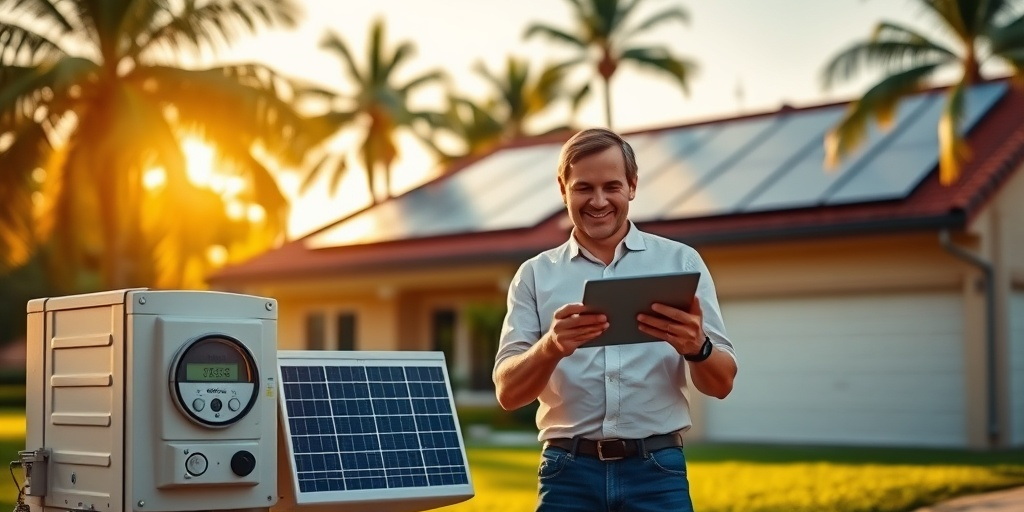
The sun’s rays provide an incredible opportunity for Florida homeowners to harness renewable energy while positively impacting their pocketbooks. Did you know that homes with solar panels save an average of $1,000 annually on electricity bills? Furthermore, Florida ranks third in the nation for solar energy production, setting the stage for significant savings if homeowners choose to invest in solar technology. In the “Beginner’s Guide to Solar Panel Maintenance for Florida Homeowners,” we will delve into the essential tips that can help mitigate maintenance pitfalls, allowing homeowners to maximize their investment in solar. With the growing menace of rising electricity costs and the new incentives and rebates available in 2025 for solar installations, it is crucial to keep your solar system operating efficiently. This guide will shed light on five vital aspects of solar panel maintenance:
- Case Study: A Florida Homeowner’s Experience
- Essential Solar Panel Maintenance Checklist
- Myth-Busting Common Misconceptions
- Local Considerations for Florida Solar Users
- A Closing Technical Deep Dive into Solar Technology
As we dive deeper into this guide, we’ll uncover how proper maintenance can transform your solar investment from a financial burden into a beacon of energy independence.
Understanding Solar Panel Maintenance through a Case Study
Meet Sarah and Mike, a couple living in sunny Orlando, Florida. After years of watching their electricity bill climb during the hot summers, they decided to embrace renewable energy and invest in a state-of-the-art solar panel system. Their journey began with an upfront cost of about $18,000, a considerable investment but one that promised long-term savings. After the installation, they initially enjoyed a significant decrease in their monthly electric bill, seeing savings of up to 80% in some months due to Florida’s ample sunshine.
However, they soon learned that solar panel maintenance was essential to continue enjoying these benefits. One day, Sarah noticed that their panels seemed dirty and covered in sand from a recent storm. They had read that dirty panels could reduce efficiency by up to 30% (Energy.gov). Worried about losing money, they quickly scheduled a maintenance check. This incident prompted them to create a structured maintenance plan, which became not only essential but a vital part of their energy independence journey.
Here’s a checklist of their adopted maintenance practices:
- Regular visual inspections every month for dirt, debris, and shading.
- Scheduling professional cleanings bi-annually or after stormy weather.
- Monitoring energy production through a smartphone app to detect irregularities.
- Maintaining optimal tree growth away from the panels.
- Reviewing warranty and performance guarantees annually.
Through these actions, Sarah and Mike not only maintained the performance of their system but also extended the lifespan of their solar investment. As they learned, proper maintenance can help keep their system running smoothly and efficiently, ensuring they reap the maximum rewards that come from solar ownership.
Essential Solar Panel Maintenance Checklist
Now that you’ve seen the importance of maintenance through Sarah and Mike’s journey, it’s time to put together your Solar Panel Maintenance Checklist. This is your guide to ensuring your solar system continues to perform optimally throughout its lifespan. Begin with the following steps:
Step 1: Perform Monthly Inspections
Each month, take a good look at your solar panels. Look for any dirt, debris, or other obstructions that might hinder performance. Schedule this close inspection for a day when the weather is clear, allowing for a thorough examination.
Step 2: Clean Your Panels
Depending on your location, dirt and dust may accumulate on your solar panels, significantly affecting their efficiency. During the rainy season, the rain may help clean your panels, but after a long dry spell, you may need to wash them yourself or hire a professional. Remember, dirty solar panels can lose up to 30% of their efficiency (NREL.gov).
Step 3: Check for Shading
Inspect surrounding trees and buildings that may obstruct sunlight from reaching your panels. Trim overhanging branches that might block the sun’s rays. Maintaining optimal sunlight exposure will keep your system functioning at peak efficiency.
Step 4: Review Your Monitoring System
Most solar systems come equipped with monitoring options. Make it a practice to check this regularly, looking for any irregularities or drops in electricity production. An issue caught early can save you time and money.
Step 5: Professional Inspections
While regular self-maintenance is crucial, always schedule a professional inspection at least once a year. Trained technicians can spot issues you may overlook and provide maintenance that requires specialized skills.
By following these steps, Florida homeowners can ensure their solar panels are well-maintained and continue producing energy efficiently. Additionally, keeping abreast of Florida-specific regulations can further enhance your solar experience. Remember to consult floridaelectricandsolar.com for insights on local guidelines and resources.
Myths about Solar Panel Maintenance Debunked
As a homeowner interested in solar energy, you may encounter various myths about solar panel maintenance that could deter you from fully embracing solar power. Let’s debunk some of the most common misconceptions:
Myth #1: Solar Panels are Maintenance-Free
Many believe solar panels require no maintenance after installation, but this is far from true. Regular cleaning and inspections are essential to maximize efficiency and ensure longevity.
Myth #2: Rain is Sufficient for Cleaning
While rain can help keep panels clean, it might not remove all dirt or debris. For optimal performance, regular manual cleaning is often necessary, especially after dry spells or dust storms.
Myth #3: Solar Panels Only Work in Direct Sunlight
This myth suggests that solar panels are ineffective on cloudy or overcast days. While sun exposure does impact performance, modern solar technology allows panels to produce energy in diffused light conditions as well.
Myth #4: You Can’t Clean Your Panels Yourself
Some homeowners believe it’s best to leave panel cleaning to professionals. However, many homeowners can effectively clean their panels themselves with the right resources and techniques, provided they do so safely and correctly.
Myth #5: Solar Maintenance is Expensive
While professional service can incur costs, regular cleaning and inspections can prevent costly repairs and ensure optimal performance, making it a worthwhile investment in the long run.
Recognizing these myths will equip Florida homeowners to make informed decisions about maintaining their solar systems. Understanding all aspects of your solar power investment enhances not just savings, but also peace of mind.
Local Considerations for Florida Solar Users
Florida’s unique climate and policies significantly influence solar panel maintenance. Each homeowner must understand these local factors to maximize their benefits. Here are key aspects:
- Humidity and Rainfall: Florida’s tropical climate brings high humidity levels and heavy rains, both of which can lead to mold or dirt accumulation on solar panels. Practicing regular cleaning becomes crucial in this environment.
- Hurricane Preparedness: With hurricanes being a potential threat, consider the strength of your panel mounts and overall system resilience. Installing systems that can withstand harsh weather is critical for longevity.
- Local Incentives: Florida homeowners should stay updated on local solar incentives and credits that can significantly impact the cost of installation and long-term savings (SEIA.org).
- Energy Demand Peaks: Keep an eye on energy consumption trends in Florida, especially during summer months when energy demand peaks. Using energy storage solutions can help offset costs during these peak times.
- Fire Safety Regulations: Florida has specific fire safety guidelines for solar systems. Professionals can ensure your panels comply, helping to mitigate risks associated with increasingly common summer storms.
By being aware of these regional considerations, Florida homeowners can optimize their solar panel systems for greater reliability and efficiency. For tailored recommendations, consult with trained professionals such as those at floridaelectricandsolar.com.
A Closing Technical Deep Dive into Solar Technology
As we round out this guide, it’s essential to get a technical understanding of your solar panel system. Knowing how the system functions aids in maintenance practices:
- Solar Panels: Comprised of photovoltaic cells, solar panels convert sunlight into usable electricity. Regular cleaning maintains their efficiency. Dirty or faulty panels can lose productivity.
- Inverter: This component transforms the direct current (DC) produced by solar panels into alternating current (AC) for home use. Keeping the inverter monitored ensures your system’s health.
- Energy Storage: As battery technology advances, energy storage options can help you store excess energy during sunny days for use during times of demand. Understanding how to manage this resource is vital.
- Billing Mechanisms: Stay informed about how net metering works in Florida. Understanding this can provide clarity on how your energy use is billed and credited back to you (DSIREUSA.org).
- Performance Monitoring: Regularly check energy production through monitoring apps or systems, ensuring the system’s performance aligns with expectations, facilitating prompt handling of any discrepancies.
Possessing thorough knowledge of your system will not only empower you as a homeowner but will also illustrate the impact of consistent maintenance efforts. Annual evaluations and awareness can keep solar systems running efficiently for decades.
Next Steps for Florida Solar Buyers in 2025
Now that you’ve learned the essentials of solar panel maintenance, it’s time to craft your action plan to harness the benefits of solar energy. Follow these steps for a smooth transition:
Step 1: Audit Your Electric Bill
Understanding your current energy costs allows you to project savings more accurately post-installation. Compare past bills to gauge usage and costs.
Step 2: Research Solar Contractors
Look for reputable solar contractors with excellent reviews, ensuring they are well-versed in Florida-specific regulations and technologies.
Step 3: Evaluate Financing Options
Consider financing options available through tax credits, loans, or leasing programs. Finding affordable choices is vital for a successful transition to solar energy.
Step 4: Plan for Installations and Maintenance
Set timelines for your installation and plan for future maintenance to avoid any surprises. Remember, the maintenance tasks we’ve discussed will be paramount.
Step 5: Stay Informed about Policy Changes
Regulatory policies can change; staying informed on updates will help you maximize savings and ensure compliance with local laws.
By following these next steps, you will be well-positioned to embrace solar energy in 2025 successfully. For more guidance and personalized insights, visit floridaelectricandsolar.com.
Reflecting on the journey we have taken throughout this guide, it is clear that comprehensive solar panel maintenance is essential for every Florida homeowner looking to invest in solar energy. Timely actions and informed decisions can lead to long-term savings, energy independence, and a sustainable future for your family and community. With the right knowledge, you can not only overcome the hurdles of installation but also ensure that your solar power system functions optimally for years to come. So, are you ready to start your solar journey? Connect with a certified expert at floridaelectricandsolar.com today and take the first step towards owning your power.
Related Articles
More insights about Solar Panel

Florida Homeowners: Why Solar Panel Maintenance Is Essential

7 Essential Steps for Solar Panel Installation Success

Expert Insights: Key Factors Influencing Solar Panel Lifespan
Ready to Go Solar?
Have questions about solar energy? Our experts are here to help you make the switch to clean, renewable energy.