
Beginner’s Guide to Solar Panel Installation and Financing Options
Share:
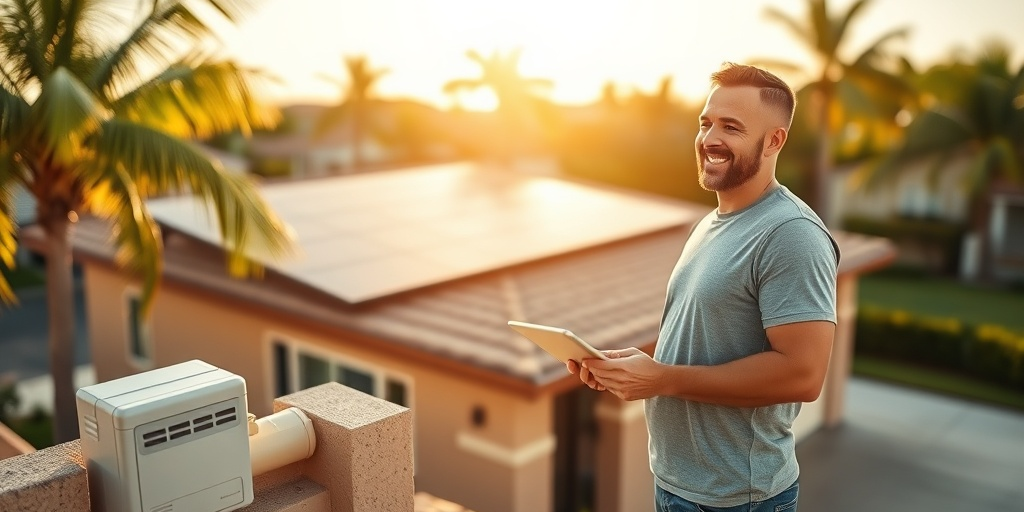
As the sun rises over the picturesque landscapes of Florida, it fills not just the vibrant environment but also the aspirations of countless homeowners looking to embrace solar energy. Did you know that Florida ranks second in the nation for total installed solar capacity, with over 3,000 megawatts harnessed (SolarReviews.com)? With energy costs soaring, now is the time to consider the transformation that solar panel installation can bring to your life. Welcome to the Beginner’s Guide to Solar Panel Installation and Financing Options—a cornerstone resource for anyone interested in making informed choices about solar energy in 2025. In light of recent initiatives aimed at incentivizing solar power, Florida homeowners who take action now can maximize savings and enjoy considerable benefits in the long run.
In 2025, as energy prices are projected to increase by up to 30% (Energy.gov), the urgency for adopting sustainable solutions like solar has never been clearer. This guide aims to show how going solar not only reduces your electricity bills but also supports a greener future for our planet. Here, you will discover insightful sections, including practical installation steps, financing options, best practices from experts, and actionable next steps to kickstart your solar journey.
Understanding Solar Panel Installation: A Comprehensive Overview
Let’s dive deep into the actual process and costs of installing solar panels. Imagine you are a homeowner in Miami, torn between sticking with traditional energy sources and seeking a renewable alternative. You decided to go solar after a friend mentioned their own installations were yielding significant savings. An inspiration struck when you heard that solar panels could cover up to 90% of energy needs in sunny Florida (SEIA.org). You begin your solar journey armed with hopes of substantial savings and a desire to contribute to environmental conservation.
Your first step is to research local solar companies, starting with Florida Electric & Solar, a reputable provider known for exceptional customer service. You quickly realize there’s a checklist of key components you’ll need to understand:
- Evaluate Your Energy Needs: Analyze your energy bills from the past year to understand consumption patterns and peak usage times.
- Assess Your Roof Space: Check if your roof is suitable for solar panels—ideally, it should have minimal shading and structural integrity.
- Consider Location Incentives: Investigate local and state incentives available for solar installations, as these can significantly affect overall costs.
- Select the Right Equipment: Research various panels, battery systems, and inverters to find products that best suit your specific energy requirements.
- Find a Qualified Installer: Make sure to choose an installer with years of experience and strong positive reviews, ensuring they handle the installation safely and effectively.
Now let’s dispel some myths associated with solar installation. Many people believe that solar panels only work in sunny states. While solar panels are less efficient in cloudy weather, they still generate energy and can significantly reduce your bills even on overcast days.
In Florida specifically, statistics show that solar panel systems can save homeowners an average of $1,000–$2,500 per year on their electricity costs (SolarReviews.com). As you digest this information, you can already envision how superior your energy independence will feel. With each step you take, the end goal becomes clearer: a solar-powered home that maximizes savings while reducing your carbon footprint.
With your newfound knowledge, it’s time to transition to understanding the financing options that make solar feasible.
Financing Your Solar System: Exploring Options for Every Budget
Investing in solar energy doesn’t have to mean breaking the bank. Here’s the good news: there are several financing options available that cater to different financial situations. Homeowners can capitalize on various plans that not only make affordability achievable but also enhance overall savings. Here’s a comprehensive overview of those options:
- Cash Purchase: This straightforward option involves paying the entire cost upfront. Though it requires significant initial investment, this leads to maximum savings in the long run since there are no ongoing financing fees.
- Solar Loans: Many financial institutions and solar companies offer loans specifically designed for solar panel systems. These loans can come with low interest rates and flexible terms, making monthly payments manageable while enjoying electricity savings.
- Leasing Solar Panels: Under a leasing agreement, homeowners can install solar panels at little to no upfront cost. Monthly payments are made to the leasing company, and while you don’t own the panels, you benefit from lower energy bills.
- Power Purchase Agreements (PPA): Similar to leasing, a PPA allows homeowners to pay for the electricity generated by the solar panels instead of paying to purchase the panels outright. This can be a low-cost way to harness solar energy without significant upfront payments.
In addition to these options, Florida continues to offer various state and federal incentives that can remarkably reduce the cost of solar installation. For example, the federal solar tax credit allows homeowners to deduct a percentage of their installation costs from federal taxes, which is currently set at 30% for systems installed in 2025 (DSIREUSA.org). When you couple these opportunities with energy savings, the investment becomes even more attractive.
Anyone considering solar should always consult financial advisors and installers to ascertain the best financing solution that aligns with their financial goals and energy requirements.
5 Expert Solar Installation Tips for 2025
Before proceeding with the installation, consider adopting the following best practices, gleaned from industry experts that can help ensure a smooth process and maximum efficiency in your solar energy systems.
- Don’t Skimp on Panel Placement: The orientation and tilt of solar panels significantly affect energy production. Aim for optimal angles to capture sunlight effectively throughout the year.
- Invest in Quality Equipment: While lower-priced options are tempting, investing in high-quality panels and inverters can save you on long-term maintenance and replacement costs.
- Monitor Energy Production: Post-installation, keep a close eye on your solar system’s performance. Use monitoring tools to track energy output and resolve any issues promptly.
- Maximize Roof Efficiency: Don’t let shade from nearby structures hinder solar productivity. Trim trees or remove obstacles that shade your roof, ensuring optimal energy generation.
- Stay Informed About Incentives: As state policies and incentives change, stay updated. Regularly check local and federal resources for any new initiatives that could enhance your solar investment.
Research shows that Florida homeowners who implement these expert recommendations can maximize their solar savings by at least 20% over the life of their systems (Energy.gov). With every small adjustment and informed decision, you will gradually rise towards significantly lower electric bills and substantial contributions to climate change mitigation.
A Solar Journey: From Skepticism to Satisfaction
Imagine the confusion of a skeptical homeowner, Jessica, residing in Orlando. Initially, she dismissed solar energy as a fad or an expense too significant to consider. But after a neighbor’s installation, her curiosity drove her to explore options. What she found transformed her perspective. Every statistic promised savings, but each testimonial brought everything to life:
- Jessica learned that solar panels can last 25 years or more.
- She discovered that Florida receives an average of 237 sunny days (SEIA.org) annually, maximizing solar efficiency.
- By using reputable companies, she found installations that support quality and transparency.
- Even with the initial investment, ample grants and tax credits alleviated her financial worries.
As Jessica delved deeper, she envisioned her family’s savings. By using an online calculator, she estimated a 70% reduction in upcoming energy bills. Jessica decided to move forward with a reputable installer and financed her panels through a solar loan with favorable terms. This decision not only alleviated financial burdens but also led to her pride in going green. The tipping point was finding Florida Electric & Solar’s competitive offerings, which eliminated the burden of high upfront costs. In the end, her skepticism transformed into satisfaction—a situation many local homeowners can echo.
Next Steps for Florida Solar Buyers in 2025
With the foundational knowledge you’ve garnered about solar panel installation and financing options, here’s a practical plan to help you take the next steps:
- Step 1: Audit Your Electric Bill: Begin by assessing your energy consumption habits, recording past usage to identify trends and peak times.
- Step 2: Research Local Installers: Gather a list of Florida-based solar installers and read reviews to narrow down reputable companies.
- Step 3: Schedule Consultations: Meet with various installers to discuss your needs, including roof assessments and estimated savings before proceeding.
- Step 4: Understand Financing Options: Determine which financial model works best for you—whether it’s a cash purchase, loan, lease, or PPA.
- Step 5: Finalize Your Installation: Upon signing a contract, prepare for a seamless installation process and monitor progress closely.
By tackling each step methodically, you ensure a smoother transition to solar energy. Visit floridaelectricandsolar.com to check for updates on installers and financial incentives available in Florida.
As you reflect on this journey through the Beginner’s Guide to Solar Panel Installation and Financing Options, it’s clear that exploring solar energy solutions is not merely a trend but a necessity for forward-thinking homeowners. The mounting urgency of rising electric costs and the ever-present allure of governmental incentives make 2025 the year to shift towards renewable energy. Start your journey equipped with knowledge, inspiration, and a plan, and join the growing community of Florida homeowners reaping the rewards of going solar. Ready to start your solar journey in 2025? Connect with a certified expert at floridaelectricandsolar.com today.
Related Articles
More insights about Solar Panel

Florida Homeowners: Why Solar Panel Maintenance Is Essential

7 Essential Steps for Solar Panel Installation Success

Expert Insights: Key Factors Influencing Solar Panel Lifespan
Ready to Go Solar?
Have questions about solar energy? Our experts are here to help you make the switch to clean, renewable energy.