
Beginner’s Guide to Solar Panel Installation in Florida
Share:
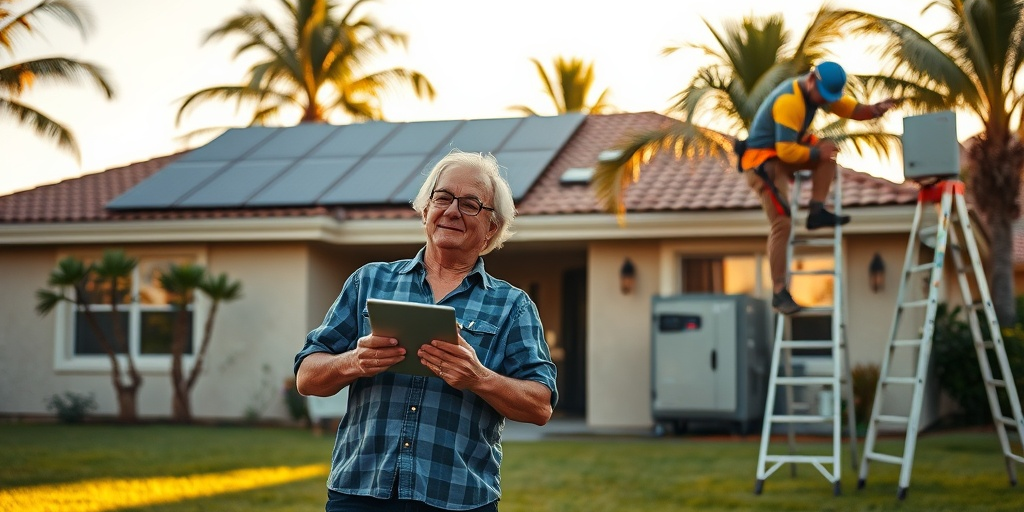
Did you know that solar energy can reduce your electricity costs by up to 70%? For many Floridians, that’s not just a number on a piece of paper; it’s a promise of greater financial freedom and energy independence. If you’re a Florida homeowner or business owner contemplating the switch to solar power, you may be grappling with questions about the installation process, the different types of solar panels available, and the state-specific regulations that may affect your decisions. This is why we created the Beginner’s Guide to Solar Panel Installation in Florida, a resourceful document aimed at simplifying this complex journey. Recent studies show that Florida is among the top states for solar installations, with over 1.2 million solar panels currently in use across the state, reflecting a growing trend toward sustainable energy solutions (SEIA.org). Moreover, with rolling incentives set to expire soon and utility rates constantly rising, taking action in 2025 is more crucial than ever for anyone considering solar. This guide will walk you through five essential aspects of solar panel installation that every Florida homeowner should know: a deep dive into the installation process, a comprehensive checklist for preparation, myth-busting commonly held misconceptions, best practices tailored for the Sunshine State, and an actionable plan to help you take the plunge into solar energy.
A Deep Dive into Solar Panel Installation in Florida
Imagine this: Jane and John, a couple residing in Miami, Florida, had always been concerned about their escalating electricity bill. It had nearly doubled in just five years due to increasing energy prices in the state. One day, they spoke with a friend who had recently gone solar and decided to look into it. Their journey toward solar panel installation is a story not just of financial healing but also one of environmental commitment.
They started with a step-by-step review of what was needed for their installation. The first step was an energy audit to understand exactly how much energy they consumed each month. Florida homeowners typically experience higher utility bills during the hot summer months, with the average electricity cost currently hovering around $0.13 per kWh (Energy.gov). An energy audit is designed to precisely identify where and when energy is consumed and can help homeowners understand how much solar power they would need to install.
Next, Jane and John prepared a checklist of must-have requirements for their installation:
- Inspect the Roof: Ensure it’s in good condition to support the solar panels.
- Choose the Right Type of Panel: Research between monocrystalline and polycrystalline panels.
- Understand Financial Incentives: Look into both state and federal tax credits available for solar installations.
- Select a Reliable Installer: Read reviews, check for licenses and insurance, and verify warranties offered.
- Consider Battery Options: Determine if energy storage (like Tesla’s Powerwall) is needed for energy independence.
By keeping to their checklist, they ensured a smooth installation process tailored to Florida’s unique demands. However, amidst their excitement, they encountered several misconceptions about solar energy that required addressing. Myth #1: “Solar panels don’t work on cloudy days.” This is a common misconception. While solar panels do generate less electricity on cloudy days, they still produce energy; in fact, solar panels can generate electricity even in low-light conditions. This was confirmed when a local solar expert explained that Florida’s climate is still highly suitable for solar energy even during the rainy season.
Myth #2: “You need to be off the grid to benefit from solar.” In reality, many Florida homeowners use solar power while remaining connected to the grid. This allows them to sell surplus energy back to their electric companies through net metering, effectively reducing both their energy bills and carbon footprints.
As they unraveled the complexities around solar technology and its advantages, Jane and John were particularly intrigued by the technical aspects of installation. They learned that panels come equipped with inverters that convert direct current (DC) energy to alternating current (AC), which is the form necessary for household appliances. This conversion is where the choice of inverter becomes crucial; string inverters are cost-effective but can pose efficiency issues when shading occurs, while microinverters offer greater optimization but at a higher upfront cost.
While it may seem overwhelming, solar panel installation in Florida is a manageable process, especially when potential buyers are equipped with the right knowledge. By researching, creating a checklist, dispelling myths, and exploring the necessary technology, homeowners can transform their homes into energy-efficient sanctuaries.
Now that we’ve explored the narrative concerning Jane and John’s journey, let’s look closely at the actionable steps you need to take to ensure a smooth transition to solar energy.
Your Solar Installation Preparation Checklist
Preparation holds the key to a successful solar panel installation. Think of it as laying the foundation for your future energy independence. By creating a roadmap, you will minimize challenges down the road. Here’s a guide outlining the essential steps to undertake before you even think about installing solar panels.
- Audit Your Electric Bill: Gather at least 12 months of energy bills to get an average consumption rate. This will guide you in determining how many solar panels you need to install.
- Inspect Your Roof: Look for signs of damage, age, or alignment. A roof that needs repairs should be addressed before installing solar panels.
- Research Local Solar Incentives: For Florida, programs like the Solar Energy System Incentives program can help, while federal tax credits offer a major boost.
- Choose Your Solar Technology: Decide between options such as monocrystalline panels, with their higher efficiency rate, or polycrystalline ones which are more budget-friendly.
- Select an Experienced Installer: Choose from local firms with proven track records. For instance, floridaelectricandsolar.com showcases a list of trusted contractors offering various solar services in Florida.
Each step is critical—not just for ensuring a successful installation but also for maximizing your long-term savings. According to internal data, homeowners who adequately prepare before installing solar panels can save upwards of 25% on their total costs due to informed decision-making.
Keep in mind that every installation is unique to its homeowner, yet by standardizing your checklists and following the outlined steps diligently, you can transform solar energy from a complex concept into an achievable reality. From here, let’s move on to the common misconceptions that come with considering solar energy.
Myth-Busting Common Misconceptions About Solar Energy
Myths surrounding solar energy can be daunting, especially for newcomers. Understanding these myths is crucial in making an informed decision about solar power. Here, we will debunk some of the most common myths that hinder many Florida homeowners from going solar.
Myth #1: “It’s too expensive to install solar panels.” Many people believe that going solar is financially out of reach. On the contrary, costs have dropped by over 70% since 2010 (NREL.gov). With various financing options and incentives, you can have a system that pays for itself over time.
Myth #2: “Solar is only for new homes.” This misconception can stop potential buyers from investing in solar. In reality, existing homes can benefit immensely from solar energy, and it’s often more of an installation challenge than a financial one.
Myth #3: “Solar panel maintenance is a hassle.” In Florida, solar panels are generally low-maintenance. Most systems only require a quick cleaning once or twice a year, and many installers offer maintenance packages as part of their service which can ensure your investment is safeguarded.
Myth #4: “You can’t sell your home with solar installed.” Think again! In fact, homes equipped with solar energy systems often sell for more than similar homes without solar. This is particularly relevant for tech-savvy younger buyers looking for energy-efficient options.
Myth #5: “The installation process is more complicated than I can handle.” While it’s true there are many variables to consider, choosing an experienced installer simplifies the process significantly. Many reputable contractors in Florida understand unique local requirements, making consultations seamless.
By unpacking these myths, homeowners can better understand their options and the realities tied to solar energy. Knowledge is power, and in this case, it could lead to substantial savings over time, freeing individuals from the often-increasing burden of electric bills.
As we emerge from these common misunderstandings, let’s look at some best practices for a successful solar installation in Florida.
5 Expert Solar Installation Tips for 2025
As you approach your journey into solar energy, consider these expert tips that can help ensure a successful installation and system performance:
- Don’t Skimp on Quality: Choose high-quality solar panels that have proven efficiency metrics. Choosing reputable manufacturers can sometimes mean a higher initial investment but dramatically reduces long-term costs.
- Plan for Energy Storage: If you’re keen on achieving greater energy independence, consider investing in battery storage. Options like the Tesla Powerwall can store excess energy for cloudy days or nighttime use.
- Stay In Touch With Your Installer: Communication is key. Regular consultations with your installer can ensure optimal productivity from your solar system and allow for any adjustments needed for your unique environment.
- Think Long-Term: Evaluate performance and warranties associated with your panels. Ideally, aim for products that offer warranties of 25 years or more.
- Look for Growth Opportunities: Consider expanding your system down the line as your energy needs grow. Once you’re familiar with solar energy, adding additional panels can be straightforward.
These best practices are designed not only to enhance the performance of your solar system but also to maximize your overall investment. A little foresight and planning can go a long way in securing your energy future. As we transition from best practices to data-driven insights, let’s explore a fictional homeowner’s compelling solar journey.
Real-Life Solar Stories: A Fictional Journey to Energy Independence
Meet Lisa, a typical Florida homeowner. In early 2025, she decided enough was enough; she could no longer afford the rising electricity costs associated with her traditional utility provider. Over the years, she watched as her electricity bills skyrocketed from around $100 monthly to nearly $300. The stress began to weigh on her family budget.
After doing some research, she discovered that investing in solar panels could improve her financial situation—after all, the average homeowner in Florida could save between $10,000 to $30,000 over 20 years with solar, depending on system size and incentives (SolarReviews.com). With her family onboard, she scheduled a consultation with a local installer.
Lisa’s first step involved an energy audit, revealing her household needed a system capable of generating approximately 8 kW to offset her energy consumption fully. After receiving a competitive quote, she proceeded with the installation.
During the installation, Lisa learned more about solar technology, including how the inverter works and how solar energy can feed back into the grid. Once her system was up and running, Lisa was thrilled to track her energy production through a smartphone app.
- First Month: Her first electricity bill came in at a staggering $12, thanks to her solar panels providing nearly all her energy needs.
- Two Months Later: A major storm hit, and she experienced a power outage. However, her inverter and battery backup system kept vital appliances running smoothly, alleviating stress during an already tense situation.
- Six Months Post-Installation: She had produced enough solar energy to pay off her entire installation by utilizing net metering, substantially reducing her bill.
- One Year After: With clever budgeting inspired by her lowered energy costs, Lisa was able to take her family on a much-needed vacation.
Lisa’s journey is a representation of the many owners transitioning toward solar energy, showcasing the efficacy and returns on investment that solar systems can provide. It’s stories like hers that capture the essence of commitment to home and sustainability while illustrating a practical step towards achieving lower utility costs.
Next Steps for Florida Solar Buyers in 2025
As you contemplate the leap into solar energy, here’s a final roadmap to simplify your transition:
- Audit Your Electric Bill: As previously discussed, this is vital in understanding your energy needs.
- Research Local Installers: Look for reputable companies offering services in Florida and check reviews, just like Lisa did.
- Explore Financial Incentives: Take advantage of state and federal incentives to lessen the burden of your initial investment.
- Make an Informed Choice: Choose high-efficiency panels and consider storage solutions for added control over your energy use.
- Schedule Regular Maintenance: To keep your solar system at peak performance, schedule annual check-ups with your installer.
By following these actionable steps, you’ll ensure a seamless transition to solar energy that pays dividends for years to come. As trends continue to push toward sustainable energy, make the choice to be part of this revolution.
In conclusion, adapting to solar energy is not just a trend; it’s a lifestyle change that can significantly impact your finances and environmental responsibility. Every Florida homeowner has the opportunity to embrace a cleaner, cheaper energy source and set a powerful precedent for future generations.
Ready to start your solar journey in 2025? Connect with a certified expert at floridaelectricandsolar.com today.
Related Articles
More insights about Solar Panel

Florida Homeowners: Why Solar Panel Maintenance Is Essential

7 Essential Steps for Solar Panel Installation Success

Expert Insights: Key Factors Influencing Solar Panel Lifespan
Ready to Go Solar?
Have questions about solar energy? Our experts are here to help you make the switch to clean, renewable energy.