
Beginner’s Guide to Solar Panel Installation for Homeowners
Share:
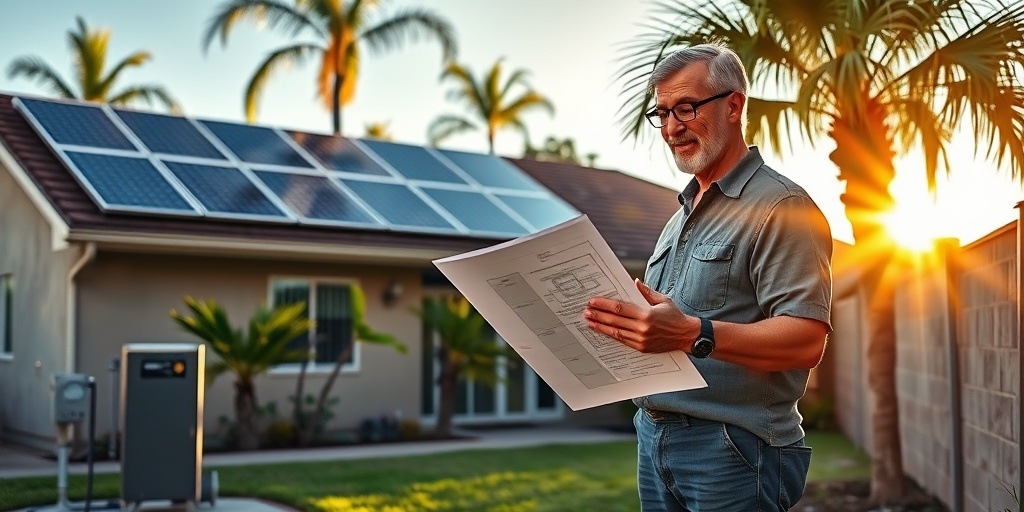
Did you know that Florida residents could save an average of $1,000 annually on their electricity bills by switching to solar energy? This isn’t just a far-off dream; it’s becoming a reality as more Florida homeowners embrace solar power in their households. As we step into 2025, the urgency to explore solar energy becomes even more pronounced. With rising energy costs and the recent enactment of favorable solar incentives, now is the perfect time to consider making the shift. Welcome to our “Beginner’s Guide to Solar Panel Installation for Homeowners,” where we will break down the essential steps to ensure you are well-informed for a successful transition to solar power. In this comprehensive guide, you will discover the foundation of solar installation, delve into crucial case studies, and explore the key benefits of going solar. We will also examine the local policies in Florida, debunk common myths surrounding solar energy, and provide you with an actionable plan towards harnessing the sun’s power. Let’s embark on this enlightening journey towards solar empowerment.
Understanding Solar Panel Installation for Your Florida Home
The solar panel installation process might seem daunting at first, but with the right knowledge and guidance, you can navigate it with confidence. Let’s take a closer look at the key elements that lead to a successful solar panel installation, as well as testimonials from homeowners who have made the switch.
Case Study: A Sunshine State Transformation
Meet the Johnson family, who reside in Palm Beach County, Florida. Like many homeowners, they grew weary of rising electricity costs. Their monthly electric bill was nearing $300, an expense they felt was eating into their savings. After conducting some research, they decided to consult with Florida Electric & Solar. After an energy audit and preliminary assessment, they committed to installing a 7.5 kW solar energy system.
The benefits were remarkable. Not only did they reduce their electric bills by nearly 70%, but their increased energy independence also allowed them to take control of their energy consumption. Best of all, they qualified for Florida’s solar tax incentives, granting them a significant tax credit that offset installation costs.
In the state of Florida, homeowners who go solar benefit from a 26% federal tax credit (Investment Tax Credit) that can substantially lessen the cost of installation (Energy.gov). Additionally, utilities have been incentivizing homeowners to adopt solar with generous net metering policies, allowing owners to sell excess energy back to the grid at retail rates. This creates a win-win situation for sustainable energy enthusiasts.
Your Solar Panel Installation Checklist
Becoming a solar homeowner requires careful planning and consideration. Here’s a straightforward checklist to guide you through the installation process:
- Step 1: Evaluate Your Energy Needs
Review your past electric bills and estimate your future energy requirements. This will help you determine the system’s size that will suit your needs. - Step 2: Learn About Local Regulations
Familiarize yourself with Florida’s laws regarding solar installations including permits, zoning, and homeowner association guidelines. - Step 3: Choose a Reputable Solar Installer
Research companies that specialize in solar installation in Florida, and look for customer testimonials or reviews to inform your decision. - Step 4: Understand Financing Options
Explore your financing choices, such as cash purchases, loans, or leases to identify what best fits your budget. - Step 5: Schedule Your Installation
Once you’ve chosen your installer, set a date for installation and prepare your home for the transition.
This checklist provides a clear pathway toward the solar installation process. If you’re ready to accelerate your transition and dive deeper into solar energy needs, visit floridaelectricandsolar.com for expert guidance.
Myth-Busting Common Solar Misconceptions
Despite the growing popularity of solar energy in Florida, several myths continue to mislead potential solar homeowners. Let’s debunk some of the most common misconceptions:
- Myth #1: Solar Panels Are Too Expensive
While initial costs can seem high, the long-term savings and available tax incentives drastically reduce the overall investment. The average homeowner sees a return on investment in as little as 5-7 years (SEIA.org). - Myth #2: Solar Energy is Only Effective in Sunny States
This is false; solar panels can generate energy even on cloudy days. Florida’s consistent sunlight makes it one of the most ideal places for solar energy (SolarReviews.com). - Myth #3: Solar Panels Require Constant Maintenance
In truth, solar systems are relatively low-maintenance. Regular cleaning and periodic inspections are usually sufficient to keep systems functioning optimally. - Myth #4: Solar Power Can’t Meet My Energy Needs
Properly sized systems can meet the energy demands of typical homes, allowing homeowners to power their lives with sunshine. - Myth #5: Installing Solar Panels Will Decrease My Home’s Value
In fact, homes with solar energy systems often sell for more than those without, as they provide future energy savings (DSIREUSA.org).
These myths are just barriers to a brighter, more sustainable future. Understanding the truth about solar energy can empower you to make a more informed choice.
Florida-Specific Solar Considerations
Florida’s perfect climate is just one reason to embrace solar power. The state also boasts a favorable regulatory landscape and abundant financial incentives, making it an optimal environment for solar installation. Here are a few Florida-focused considerations:
- Net Metering Policies: Florida allows homeowners to benefit from net metering, getting credited for any excess energy produced and sent back to the grid.
- Property Tax Exemptions: Solar installations are exempt from property tax increases in Florida; this means the added value of your solar system does not impact your property tax owed.
- High Energy Demand: Florida’s summer heat drives high energy demands. Solar panels provide a practical solution for homeowners looking to alleviate their dependence on conventional electricity sources.
Understanding these policies not only demonstrates the tangible benefits of going solar but also sheds light on Florida’s commitment to sustainability.
Exploring the Technical Aspects of Solar Energy Systems
For an informed decision, it’s vital to comprehend the technical components of solar energy systems. Here’s a brief deep dive into the essentials:
- Solar Panels: These photovoltaic modules convert sunlight into electricity. Depending on your needs, options range from monocrystalline (more efficient) to polycrystalline panels.
- Inverters: Inverters are critical, as they convert direct current (DC) generated by the panels into alternating current (AC) used in your home.
- Battery Storage: While not necessary for all systems, battery storage can improve energy independence by allowing homeowners to store excess energy for evening use.
- Monitoring Systems: These are sophisticated devices that provide real-time data on energy production, helping homeowners optimize their energy use.
Understanding these components allows homeowners to make smarter decisions about their solar energy systems and adjustments to their energy consumption. Harnessing this knowledge will ultimately lead to maximized savings and a more sustainable lifestyle.
Next Steps for Florida Solar Buyers in 2025
Now that you have gained insight into solar panel installation, here’s your action plan moving forward:
- Step 1: Audit Your Electric Bill
Start by reviewing your electric bill to understand your energy consumption patterns. This will give you vital information when consulting with a solar provider. - Step 2: Research Local Solar Providers
Look for high-rated companies with experience in Florida solar installations. Verify reviews, costs, and customer service quality before making a choice. - Step 3: Schedule Consultations
Meet with several providers to discuss your specific needs and get quotes. This is a crucial step to compare options. - Step 4: Understand Finances and Incentives
Review financing options available to you and check eligibility for any state or federal incentives. - Step 5: Finalize the Installation
After choosing your installer, completion of contracts and scheduling your installation should be a smooth transition into a solar-powered future.
With this step-by-step action plan, you are equipped for a successful transition to solar energy. For further assistance and expert consultations, visit floridaelectricandsolar.com.
Conclusion
Transitioning to solar power goes beyond just reducing electric bills; it’s about embracing a sustainable future that contributes to environmental health. By understanding the essential components of solar installation, debunking myths surrounding solar energy, and navigating Florida’s specific incentives, you can confidently take steps toward powering your home with renewable energy. From the Johnson family’s inspiring story to actionable checklists and local insights, this guide serves as your roadmap toward solar empowerment.
In 2025, the solar energy landscape is evolving rapidly, filled with opportunities for Florida homeowners to harness the sun’s energy, protect family budgets, and contribute to a greener planet. The time to act is now! Join the growing community of solar advocates in Florida and let the Sunshine State shine even brighter.
Ready to start your solar journey in 2025? Connect with a certified expert at floridaelectricandsolar.com today.
Related Articles
More insights about Solar Panel

Florida Homeowners: Why Solar Panel Maintenance Is Essential

7 Essential Steps for Solar Panel Installation Success

Expert Insights: Key Factors Influencing Solar Panel Lifespan
Ready to Go Solar?
Have questions about solar energy? Our experts are here to help you make the switch to clean, renewable energy.