
The Beginner’s Guide to Solar Panel Installation Options
Share:
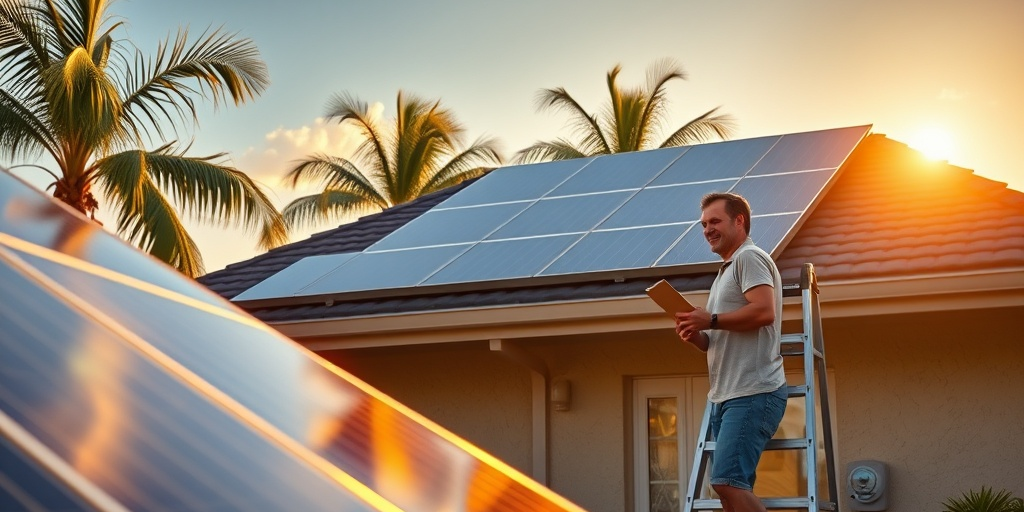
In recent years, solar power has become a pivotal player in the global energy landscape, especially here in the Sunshine State. Did you know that Florida ranks in the top five states for solar energy potential, boasting over 20,000 installations statewide? This represents a significant shift in how homeowners like you are thinking about energy consumption and sustainability. Yet, with this growth comes complexity. If you’re a homeowner or commercial property owner in Florida and you’re considering solar energy, navigating through the myriad of solar panel installation options can be overwhelming. That’s exactly why this blog post is here to help. Welcome to The Beginner’s Guide to Solar Panel Installation Options. In this comprehensive guide, we’ll arm you with the knowledge you need to make informed decisions about your solar future.
As 2025 approaches, it is imperative to consider the importance of solar energy solutions. Energy costs have skyrocketed by an average of 16% in the last three years alone in Florida (SEIA.org). Additionally, recent incentives from state legislation are designed to promote solar adoption, making 2025 a pivotal year. If you invest now, you can significantly reduce your utility bills while capitalizing on government-backed savings. Throughout this guide, we will explore different solar panel installation options, including case studies of Florida homeowners who have already made the leap, a checklist to ensure you make the right decision, a breakdown of common myths surrounding solar energy, locally focused information tailored for Florida residents, and a deep dive into the technical aspects of solar systems.
With this background in mind, let’s dive into the first section to uncover the various types of solar panel installations and understand their implications for you!
The Different Types of Solar Panel Installation Options for Florida Homeowners
In the realm of solar energy, homeowners find themselves facing several installation options. Choosing the right one can impact your long-term savings and energy independence. To help guide you, let’s explore a case study, actionable steps, common myths, local focus, and some technical details.
Case Study: Meet Jake and Mary, a couple who decided to go solar in Fort Lauderdale. They were tired of seeing their electric bills go up each month, which had risen by over 20% in the last year alone. After researching different solar panel options and speaking with experts, they opted for a rooftop solar system coupled with battery storage. As a result, they now save an average of $2,000 annually, and their energy independence has never been higher. This not only provides them financial security, but they also contribute to a more sustainable future.
Checklist for Solar Installation:
- Step 1: Assess Your Roof. Ensure your roof has ample space and good orientation for solar panels.
- Step 2: Research Incentives. Look into federal and state incentives that could reduce installation costs.
- Step 3: Compare Installers. Get multiple quotes and review the reputations of different solar companies.
- Step 4: Understand Financing Options. Weigh the benefits of buying outright, financing, or leasing.
- Step 5: Schedule an Installation. Choose a suitable installation date and prepare for the process.
Myth-Buster:
- Myth #1: Solar panels don’t work on cloudy days. Truth: While sun exposure maximizes output, solar panels still generate power even on cloudy days.
- Myth #2: A solar system is costly and not worth it. Truth: With available state incentives, your long-term savings can be substantial, often recovering initial costs within 5-7 years.
- Myth #3: Solar panels require constant maintenance. Truth: Solar systems are low-maintenance; regular cleaning and occasional inspections are typically all that’s needed.
Local Focus: In Florida, the sun shines around 237 days a year on average, making it an unparalleled environment for maximizing solar potential (SolarReviews.com). The state offers net metering policies which allow homeowners to receive credits for the excess power their solar systems produce. This policy significantly enhances the cost-effectiveness of solar investments.
Technical Deep-Dive: Opting for a solar installation involves understanding the components of a solar system. Typically, a residential solar setup includes solar panels, inverters, and sometimes battery storage. The panels convert sunlight into electricity, the inverter converts that power into a usable format, and batteries store excess energy for later use. Understanding these systems allows homeowners to select an installation that best suits their energy needs.
Now that we’ve explored the foundational options available to you as a Florida homeowner, let’s turn our attention to a secondary concept that further informs your solar journey.
Understanding Your Solar Financing Options
As you embark on your solar journey, understanding the diverse financing options available is crucial. Choosing a flexible finance plan can significantly impact your monthly expenses and long-term savings. Fortunately, the array of options continues to expand as solar technology advances and becomes increasingly affordable.
Financing Options Simplified: You have a few key options when it comes to financing your solar installation:
- Cash Purchase: Paying in full means you own the system outright, allowing you to bypass financing fees while enjoying maximum savings from day one.
- Solar Loans: Many financial institutions offer loans specifically for solar installations. These loans typically feature lower interest rates and flexible repayment terms.
- Leasing: If you prefer not to purchase, leasing allows you to use the solar system without the upfront costs. In this case, you pay a monthly fee to the solar company and still get access to clean energy.
- Power Purchase Agreements (PPAs): This allows you to buy the electricity generated by the solar system at a predetermined rate, usually lower than your current electricity rates.
- Incentives and Rebates: Don’t overlook state incentives. In Florida, solar homeowners can benefit from the Residential Clean Energy Credit which can save you up to 26% on your system cost if installed by 2025 (SEIA.org).
Utilizing any of these financing options can ease the transition to solar, allowing homeowners in Florida to capitalize on solar’s long-term savings and environmental benefits.
For further details on local resources, visit floridaelectricandsolar.com to compare financing options tailored to Florida residents.
With financing options now clarified, it’s time to dive deeper into best practices for effective solar installations.
5 Expert Solar Installation Tips for 2025
Understanding the different installation strategies is crucial, but applying best practices can further ensure a successful transition to solar power. Here are five expert tips tailored for Florida homeowners plotting their energy independence.
Tip #1: Get an Energy Audit: Before installing solar panels, conduct an energy audit to evaluate your current consumption. This provides insight into the solar capacity needed to meet your goals. Reducing your energy demand can further maximize your solar system’s benefits.
Tip #2: Invest in Quality Equipment: Don’t skimp on equipment costs. High-quality panels and inverters will yield better energy efficiency, longevity, and warranties. Look for Tier 1 solar manufacturers to ensure quality.
Tip #3: Optimize Placement: Position your solar panels for maximum exposure to the sun. South-facing roofs typically yield the best results. Your solar installer can help assess the ideal layout.
Tip #4: Check Community Solar Programs: If rooftop installation is not an option, consider enrolling in a community solar program. These programs allow you to buy shares in a larger solar farm, offering the benefits of solar without the need for installation on your property.
Tip #5: Stay Updated on Local Policies: Solar policies can change, impacting your installation process and potential savings. Regularly check for updates on local regulations or incentives that may apply to your system.
By adhering to these expert tips, homeowners in Florida can ensure they are well-prepared when making a move toward installation.
Next, let’s take a closer look at the real-world journeys of Florida homeowners who have achieved great success with solar energy.
A Day in the Life of a Florida Solar Homeowner
Picture this: It’s a sunny morning in a quaint neighborhood in Sarasota. The Johnson family, like many Floridians, have had their share of rising energy costs. In 2023, their utility bill exceeded $250 a month, crippling their finances. After doing research and gathering quotes, they installed a 6-kilowatt solar system paired with energy-efficient appliances. Their first month of solar operation yielded a staggering electricity bill of just $29!
Here are three things they learned through their solar journey:
- Empowerment through Knowledge: The Johnsons took it upon themselves to learn about solar energy and financing. They realized their setup would pay for itself in under six years.
- Community Impact: They joined a local community solar co-op, which expanded their connections with others undergoing similar solar installations.
- Environmental Awareness: By going solar, they reduced their carbon footprint by over 4 tons annually, furthering their commitment to sustainability.
As you can see, their story is just one of many illustrations highlighting how homeowners in Florida are benefitting from solar energy. Learning from these narratives can inspire your own journey toward a sustainable and cost-effective energy solution.
Next Steps for Florida Solar Buyers in 2025
Feeling prepared to step into the world of solar energy? Here’s an actionable plan to keep you focused as you pursue solar installation as a Florida resident.
Step 1: Audit Your Electric Bill: Review your recent utility bills to gauge your energy consumption. Determine the average monthly cost and peak usage months.
Step 2: Research Solar Options: Identify the types of solar installations that meet your energy needs. This could include purchasing outright or exploring financing options.
Step 3: Compare Solar Companies: Gather estimates from several reputable solar installation companies. Look for positive customer reviews and thorough warranty options.
Step 4: Evaluate Incentives: Be sure to apply for all available incentives to alleviate upfront costs. These can dramatically lower the financial barriers of investment.
Step 5: Schedule Your Installation: Connect with your chosen installer to settle on a timeline that works within your schedule.
The path to solar ownership is easier than you think! Interested readers should take the plunge and start researching today. For additional resources, visit floridaelectricandsolar.com.
As we wrap up this comprehensive guide, it’s important to reflect on your unique journey through solar installation options. Understanding the choices available not only equips you with knowledge but also empowers you to act. You found yourself exploring various options, breaking down common myths, applying best practices, and immersing yourself in the local solar culture in Florida.
The urgency in making the switch to solar in 2025 cannot be overstated—rising energy costs and favorable incentives make it a smart, responsible decision for your family and the environment. Additionally, you will find yourself playing a part in a greater community movement towards sustainable energy. If you want to be among those who are setting the standard in energy independence and cost savings, now is the time to make your move.
Ready to start your solar journey in 2025? Connect with a certified expert at floridaelectricandsolar.com today.
Related Articles
More insights about Solar Panel

Florida Homeowners: Why Solar Panel Maintenance Is Essential

7 Essential Steps for Solar Panel Installation Success

Expert Insights: Key Factors Influencing Solar Panel Lifespan
Ready to Go Solar?
Have questions about solar energy? Our experts are here to help you make the switch to clean, renewable energy.