
Beginner’s Guide to Solar Panel Lifespan for Florida Homeowners
Share:
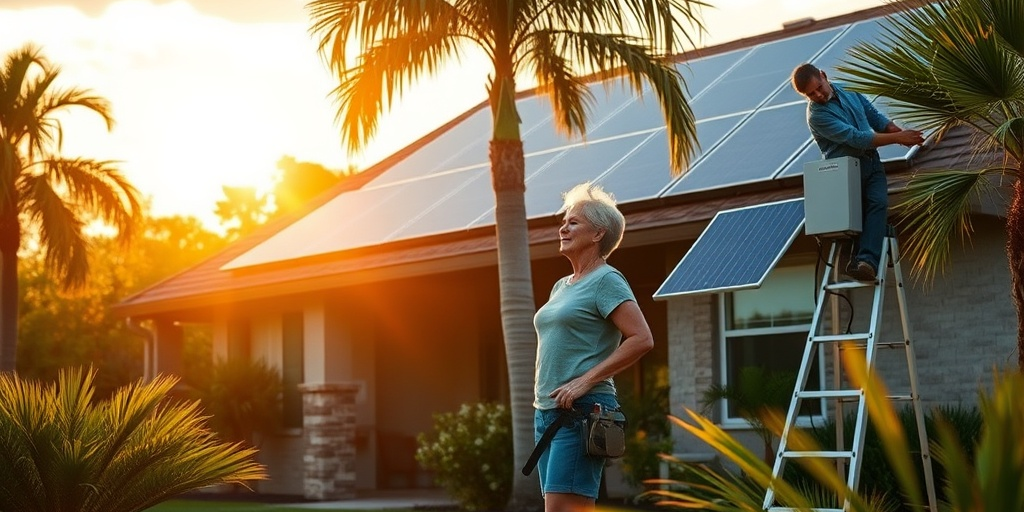
In the sun-drenched vistas of Florida, where the average daily sunlight peaks at a staggering seven hours, one might wonder why only 6% of households have opted for solar energy (SolarReviews.com). The question isn’t about the feasibility, but rather about the lifespan of solar panels—an essential topic for potential adopters. Homeowners across the state are waking up to the undeniable benefits of going solar, which not only promises to cut electric bills but also fortifies them against rising energy costs that are expected to escalate in 2025. Understanding the intricacies of solar panel lifespan can guide you in maximizing your solar investment for long-term utility bill savings in this vibrant state. Our blog, titled “Beginner’s Guide to Solar Panel Lifespan for Florida Homeowners,” will explore critical facets of solar technology and its longevity, ensuring that your decision to transition to solar power is informed and confident.
Why is this discussion urgent in 2025? Rising energy costs are a significant concern, with Florida’s utility rates expected to increase steadily. Moreover, new solar incentives and policies are emerging, aiming to promote renewable energy adoption among homeowners. As technology evolves, it becomes crucial to understand how long your solar panels will last and what factors can influence their longevity. With that in mind, we will delve into five key sections of this guide:
- The Lifespan of Solar Panels: What You Need to Know
- Essential Checklist for Solar Durability
- Myths About Solar Panel Lifespan Busted
- Florida Weather and Its Impact on Solar Panels
- Your Action Plan for Solar Success in 2025
Get ready to uncover the truth behind solar panel lifespan and equip yourself with the knowledge necessary to make your solar journey a remarkable success!
The Lifespan of Solar Panels: What You Need to Know
To begin our exploration, consider the story of the Martinez family from Orlando, Florida. Eager for energy independence, they installed a solar system on their roof three years ago, inspired by the promise of long-term savings. Three years in, they checked their inverter’s performance and were astounded to find that their solar panels were still functioning at around 95% efficiency—a testament to the high-quality installation and materials sourced from a reputable provider. Typically, solar panels have a lifespan of 25 to 30 years, with many manufacturers offering robust warranties that underscore this promise (Energy.gov).
So, how do you ensure that your investment lasts and performs optimally? Here’s a handy checklist of critical factors:
- Quality of Equipment: Opt for high-efficiency solar panels from reputable brands.
- Professional Installation: Hire experienced contractors to avoid installation flaws that can lead to deterioration.
- Regular Maintenance: Schedule annual inspections and cleaning to maintain panel efficiency.
- Climate Considerations: Understand how Florida’s unique weather conditions can impact your panels.
Myths abound concerning the longevity of solar panels. Let’s tackle some prevalent misconceptions:
Myth #1: “Solar panels will only last for 10 years.”
The reality is that most quality panels are rated for over twenty-five years and can still produce energy well beyond that (SEIA.org).
Myth #2: “You can’t replace parts of the system.”
Actually, components like inverters can be replaced, extending the system’s overall lifespan (Energy.gov).
Myth #3: “Florida’s heat will damage my solar system.”
While extreme heat can affect efficiency, quality panels are designed to withstand high temperatures without significant performance loss.
The impact of Florida’s unique climate on solar panels cannot be overstated. With the state’s high humidity and the risk of hurricanes, it’s essential to invest in hardy, certified equipment. Studies show that solar panels are quickly becoming more resilient against extreme weather events (NREL.gov), which is reassuring for Florida homeowners concerned about investment protection.
As we transition to understand the critical elements that can extend solar panel lifespan, it’s crucial to remain informed and proactive. Knowing what steps to take can enhance both your system’s performance and your overall experience with solar energy.
Essential Checklist for Solar Durability
Understanding how to ensure the longevity of your solar panels starts with a clear action plan. Step 1 to Step 5 below outline a thorough checklist to guide every Florida homeowner:
- Step 1: Audit Your Electric Bill – Start by tracking your energy usage trends over the past year. Understanding your energy consumption will help you choose the right solar system size to meet your needs.
- Step 2: Choose the Right Solar Panels – Do thorough research on brands and types of panels. Options like monocrystalline panels tend to be the most efficient and space-efficient, crucial for Florida homeowners with limited roof space.
- Step 3: Hire Certified Installers – Seek out solar providers with strong reviews and certifications. Check for experience with Florida installations to ensure they can handle local weather conditions.
- Step 4: Implement Regular Maintenance – Establish a maintenance schedule that includes cleaning your panels and inspecting the system at least once a year to ensure optimal performance.
- Step 5: Monitor System Performance – Keep tabs on how much energy your system produces. If you notice a significant drop in production, it may be time for a professional inspection.
Did you know that Florida ranks third in the nation for solar capacity, with installations continuously on the rise (SolarPowerWorld.com)? This emphasizes how critical it is to not only install a solar system but to maximize its effectiveness through diligent maintenance and strategic planning.
The incorporation of high-quality solar inverters plays a significant role in performance longevity. These devices convert solar energy into usable electricity. Choose inverters from reputable manufacturers that back their products with lengthy warranties, often ranging from 5 to 12 years (SEIA.org). Remember, cutting corners on these components can lead to significant costs down the line.
As we conclude this section, it’s vital to recognize that planning ahead and following best practices can save Florida homeowners from unnecessary expenses and extend their solar investments well into the future. Let’s shift gears and explore common myths about solar panel lifespan and clarify any misunderstandings.
Myths About Solar Panel Lifespan Busted
Many misconceptions abound regarding the lifespan and performance of solar panels. Below, we delve into some of the most common myths that might hinder Florida homeowners from making an educated decision on adopting solar energy:
Myth #1: “Solar panels are not worth the investment because they wear out quickly.”
Contrarily, top-tier solar panels can successfully convert sunlight into energy for 25 years or more. According to the National Renewable Energy Laboratory, many panels produce around 80% of their power after 25 years (NREL.gov).
Myth #2: “Only roof-mounted solar panels work.”
Ground-mounted panels are equally effective, especially in scenarios where roof space is limited or if installation of such a system would yield better sunlight exposure.
Myth #3: “Misaligned panels will not perform well.”
While panel orientation is important, modern panels are designed to operate efficiently even without perfect alignment. However, aiming for south-facing installations is preferable in sunny Florida.
Myth #4: “Solar power is only for wealthy homeowners.”
With rising affordability and financing options available, many Florida families can benefit from solar energy savings regardless of income level.
Myth #5: “No one recycles solar panels.”
In reality, recycling programs are emerging across the country, making it more environmentally sustainable to dispose of old panels responsibly whether due to upgrades or decommissioning (SEIA.org).
By dispelling these myths, we can create a clearer understanding of solar panel technology among Florida homeowners. Knowledge is power, and it enriches the decision-making process as consumers weigh the merits of solar energy adoption.
Florida Weather and Its Impact on Solar Panels
As any Floridian knows, the state’s climate is a unique blend of heat, humidity, and hurricanes. This section will explore how each factor can affect solar panels and what homeowners can do to mitigate potential risks.
- Heat and Efficiency: Solar panels operate most efficiently at lower temperatures. While Florida’s heat might seem counterproductive, modern technology allows solar panels to manage this effectively. Each 1°C increase in temperature can reduce output efficiency by approximately 0.5%, but durable panels are built to weather this impact.
- Hurricanes and Storms: Florida’s susceptibility to storms means choosing solar panels rated for high wind resistance. The best quality panels can withstand winds up to 140 mph, rendering them reliable even during hurricane season.
- Humidity and Maintenance: Florida’s tropical climate encourages moisture buildup. Regular maintenance, such as cleaning panels and inspecting the inverter, can prevent mold and deterioration that affect efficiency without professional intervention.
One statistic worth noting: research shows that solar panels have a life expectancy of about 25 to 30 years, provided they manage the climate’s unique challenges (NREL.gov). With this in mind, Florida homeowners can approach solar energy investments with both excitement and awareness, investing in products that are designed to last and excel within the context of their environment.
One excellent strategy to enhance your solar system’s resilience is to combine it with battery storage solutions, allowing you to secure energy even during outages. This multifaceted approach maximizes returns, capitalizing on the sun’s abundant energy while ensuring reliable back-up when needed.
Your Action Plan for Solar Success in 2025
Ready to embark on your solar journey? Follow this action plan for Florida solar buyers in 2025 to ensure a successful investment:
- Step 1: Research Local Providers – Look for installers with strong reputations and customer reviews, ensuring they have experience specifically with Florida solar regulations.
- Step 2: Gather Financing Information – Investigate potential financing options including tax credits and state incentives to make the transition to solar more financially manageable.
- Step 3: Schedule an Energy Assessment – A professional energy audit will help pinpoint your home’s energy needs and inform the most efficient system size.
- Step 4: Coordinate Installations – Timing your installation during the dry season will minimize weather-related delays that could affect the project timeline.
- Step 5: Monitor and Optimize – Use monitoring software to keep an eye on your system’s performance and conduct seasonal maintenance to ensure efficiency.
Florida homeowners are positioned uniquely to benefit from solar energy solutions, making informed decisions now all the more critical. Various state incentives can significantly offset initial investment costs, and installing your system during the optimal months can yield better performance outcomes.
Reading through these sections, it’s evident how crucial expertise is in the solar industry. Homeowners must take actionable steps to protect their investments and ensure that once they go solar, the systems will serve them well for decades.
As we wrap up our guide, remember that knowledge truly equips you to navigate the solar landscape effectively. The value of acting now, while the industry is rapidly evolving, cannot be overstated. The future of your energy independence is bright! Want to solidify your solar investment in 2025? Start your journey today!
Ready to start your solar journey in 2025? Connect with a certified expert at floridaelectricandsolar.com today.
Related Articles
More insights about Solar Panel

Florida Homeowners: Why Solar Panel Maintenance Is Essential

7 Essential Steps for Solar Panel Installation Success

Expert Insights: Key Factors Influencing Solar Panel Lifespan
Ready to Go Solar?
Have questions about solar energy? Our experts are here to help you make the switch to clean, renewable energy.