
Beginner’s Guide to Understanding Solar Panel Lifespan in Florida
Share:
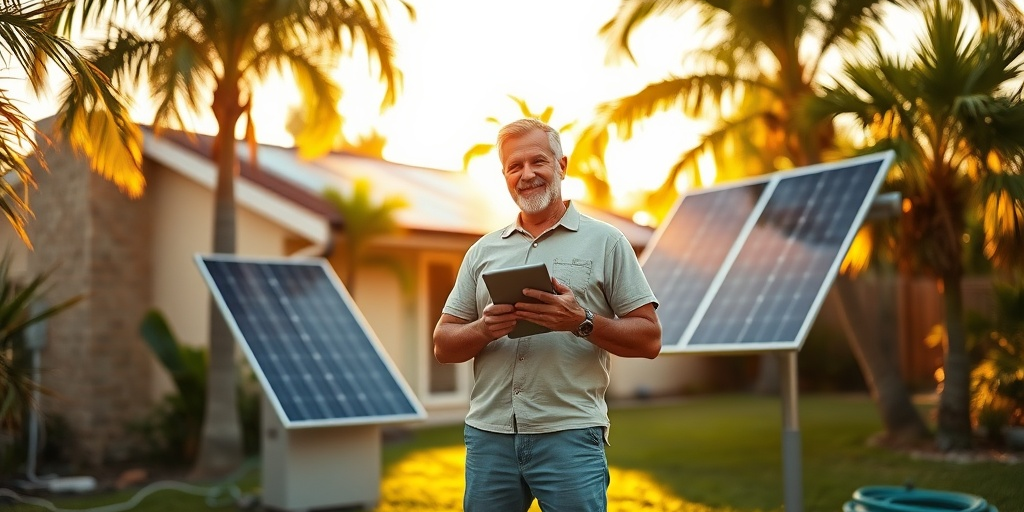
Have you ever wondered how long your investment in solar energy will truly last? In 2025, as Florida homeowners grapple with rising energy costs and fluctuating electricity rates, understanding the solar panel lifespan becomes more crucial than ever. The longevity of solar panels directly impacts your investment—providing peace of mind and potential savings. In this comprehensive Beginner’s Guide to Understanding Solar Panel Lifespan in Florida, we will explore essential insights into how long solar panels last, factors influencing their lifespan, and actionable steps to ensure your system stands the test of time. It’s vital to choose solar wisely in today’s market; in fact, studies show that high-quality solar panels can last anywhere from 25 to 30 years (Energy.gov). Moreover, about 77% of solar panel owners report significant savings, underscoring the importance of this investment (SEIA.org). Join us as we delve into five key sections:
- Case Study and Emotional Story
- Checklist for Selecting Solar Panels
- Myth-Busting Common Misconceptions
- Local Focus on Florida’s Solar Landscape
- Technical Deep-Dive into Solar Components
Given these realities, let’s first explore the fundamental aspects of solar panel lifespan, focusing on personal stories, case studies, and strategic insights designed for Florida homeowners interested in harnessing solar power in 2025.
The Spectacular Lifespan of Solar Panels: A Case Study for Florida Homeowners
Meet the Johnsons, a family of four residing in sunny Orlando, Florida. In 2018, they decided to invest in solar panels, driven by the desire to reduce their monthly electric bills and minimize their carbon footprint. After extensive research, they chose a high-quality solar panel system that came with a 25-year warranty. Fast forward to 2025, the Johnsons are thrilled, as their system is producing energy efficiently, allowing them to save over $1,200 annually on electricity costs.
The Johnsons’ experience showcases how a solar panel’s lifespan directly translates into financial benefits. Solar panels are generally designed to endure the elements for 25 to 30 years (NREL.gov). However, several factors can influence this lifespan:
- Quality of Materials: Higher-quality panels might have a lower degradation rate and can last longer.
- Local Weather Conditions: Florida’s humidity and storms can affect solar panel performance; thus, installing a system designed for local conditions is crucial.
- Maintenance Practices: Regular maintenance, such as cleaning and inspections, can prolong the lifespan of your system.
But the Johnsons are not alone; about 90% of solar panel owners report satisfaction with their systems, leading to discussions about the potential for performance degradation over time (SolarReviews.com). Nowadays, newly designed panels aim to limit this degradation to less than 0.5% per year. This means after 25 years, the solar cells still produce around 75% of their original capacity, making them a worthwhile investment.
As we look at the investment these families make, it’s essential to have clear actionable steps. Here’s a simple checklist to follow to ensure you make sound decisions about solar panel investments:
Step-by-Step Checklist for Selecting Solar Panels
Investing in solar panels isn’t just about installation; it begins long before that. Follow this checklist to simplify your decision-making process:
- Step 1: Assess Your Energy Needs – Examine your recent electric bill to understand your energy consumption patterns.
- Step 2: Research Local Incentives – Florida homeowners can benefit from various state and federal incentives that can significantly reduce the overall investment.
- Step 3: Evaluate Different Panel Brands – Look into, and compare, panel specifications, warranty terms, and reviews from providers like Florida Electric & Solar.
- Step 4: Consider Installation Quality – Explore the company’s installation expertise and customer feedback; quality installation can enhance the lifespan of your solar system.
- Step 5: Plan for Maintenance – Regular system checks can help maintain efficiency and extend the life of your panels, keeping performance optimal.
Your investments deserve maximum return, and by following these steps, you’re more likely to choose a solar panel system that meets your needs long-term. It’s time to debunk common myths surrounding solar panel lifespan that may inform and influence your investment decisions.
Myth-Busting Common Misconceptions About Solar Panel Lifespan
Many misconceptions can cloud the decision-making process around solar power. Let’s dispel some of the most common myths:
Myth #1: Solar Panels Need to be Replaced Every 5-10 Years
Contrary to this belief, high-quality panels are designed to last between 25 to 30 years (Energy.gov), with many still functioning well beyond that timeframe.
Myth #2: All Solar Panels Are Made Equal
Not all solar panels are created equal. Brands and quality vary significantly. Choosing reputable brands can prevent premature performance decline and boost overall savings.
Myth #3: You Can’t Have Solar in a Hurricane-Prone Area
This myth overlooks advances in technology. Modern solar systems are engineered to withstand higher wind speeds and extreme weather, making them suitable for Florida’s unique climate.
Myth #4: Solar Panel Systems are Too Expensive
While upfront costs can appear high, available incentives and the savings on electricity bills make solar energy a cost-effective solution for many Florida homeowners.
Myth #5: Solar doesn’t work on cloudy days
Solar panels absorb a wide spectrum of light, allowing them to generate power even on overcast days. In Florida, the average sunshine still guarantees ample energy production!
By debunking these myths, potential buyers can foster informed decisions that lead to energy independence and increased savings in the future. Now that we have a clear understanding, lets dig deeper into Florida’s solar energy landscape.
Florida’s Solar Landscape: Opportunities and Insights
Florida, with its abundant sunshine, is aptly named the “Sunshine State.” It is no surprise that the state is making remarkable strides in solar energy. Here are key insights and opportunities for Florida homeowners in 2025:
- State Incentives: Florida offers Property Assessed Clean Energy (PACE) financing that allows homeowners to install solar with little upfront costs, making it more accessible.
- Net Metering Policies: Homeowners can sell excess electricity back to the grid, creating a potential income stream while helping to contribute to the state’s energy supply.
- Increased Solar Installations: In 2022, Florida ranked third nationally in solar capacity, with projections showing continuous growth due to affordability of systems and technological advances (SEIA.org).
This landscape makes investing in solar power an attractive proposition, and understanding the technical aspects can help homeowners maximize their savings.
Technical Deep-Dive Into Solar Components
Understanding solar panel lifespan involves recognizing the intricate components of a solar power system. Here are the essential elements:
- Solar Panels: These are the central elements of the system, converting sunlight into electricity. Investing in top brands ensures longevity.
- Inverters: Solar inverters convert direct current (DC) from the panels into alternating current (AC) used in homes. They play a pivotal role in system performance and typically need replacement every 5-10 years.
- Batteries: Optional storage systems can enhance efficiency, allowing homeowners to use stored energy at night. These systems also come with varying lifespans.
Monitoring these components and ensuring their optimal functioning can lead to impressive energy savings. Moreover, incorporating quality installation and renewable materials will offer peace of mind for any home or commercial property owner.
Next Steps for Florida Solar Buyers in 2025
Choosing to invest in solar energy offers endless benefits, but knowing what steps to take next is crucial. Here’s a straightforward action plan for prospective buyers:
- Step 1: Audit Your Electric Bill – Reviewing your energy usage helps determine how much solar power you need to meet your requirements.
- Step 2: Identify Local Solar Providers – Research and shortlist local solar companies with positive reviews and proven track records.
- Step 3: Schedule Consultations – Meet with several providers to discuss options and get personalized quotes based on your energy needs.
- Step 4: Analyze Warranties and Contracts – Ensure clarity on warranties, maintenance commitments, and other aspects before signing.
- Step 5: Finalize Your Investment – Choose the best program that matches your financial and environmental goals.
As you embark on your solar journey, remember that Florida Electric & Solar is available to answer questions and guide you toward energy independence. With the right investment, you can unlock significant savings and a more sustainable future for yourself and your family.
In summary, understanding solar panel lifespan is crucial for any Florida homeowner considering solar energy in 2025. Armed with insightful data, actionable steps, and the debunked myths surrounding solar life expectancy and performance, you can confidently invest in solar power. Take the knowledge you’ve gained today to maximize your savings, protect your families’ future, and embrace the clean energy revolution.
Ready to start your solar journey in 2025? Connect with a certified expert at floridaelectricandsolar.com today.
Related Articles
More insights about Solar Panel

Florida Homeowners: Why Solar Panel Maintenance Is Essential

7 Essential Steps for Solar Panel Installation Success

Expert Insights: Key Factors Influencing Solar Panel Lifespan
Ready to Go Solar?
Have questions about solar energy? Our experts are here to help you make the switch to clean, renewable energy.