
Beginner’s Guide to Solar Panel Lifespan and Maintenance Tips
Share:
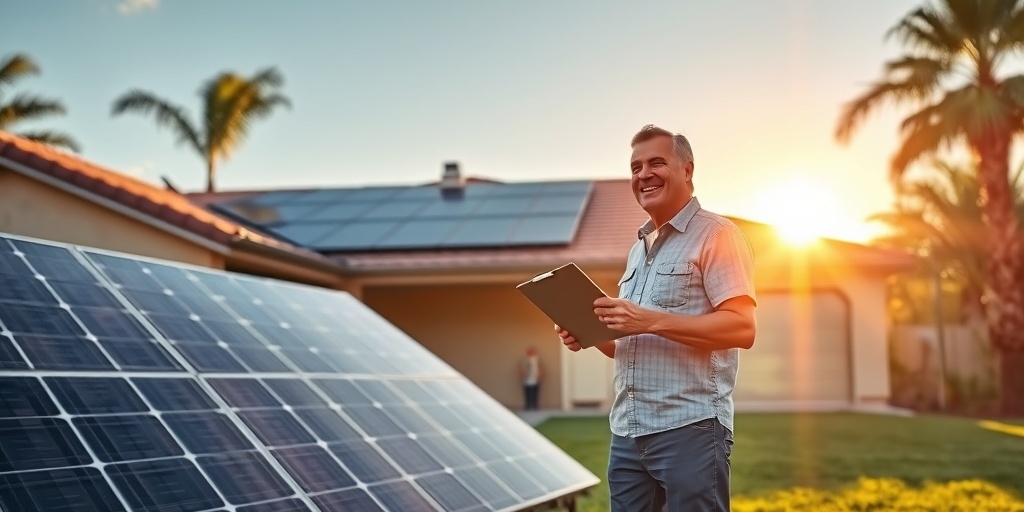
Have you ever considered how many hours your solar panels can faithfully serve you, day in and day out? Many homeowners in Florida are waking up to the benefits of solar energy, yet understanding the lifespan and maintenance of solar panels can feel overwhelming. Did you know that a well-maintained solar system can work efficiently for 25 years or more? According to the Solar Energy Industries Association (SEIA), the number of solar installations has surged, showcasing a staggering increase of over 167% from 2016 to 2021 alone. As rising energy costs and increased climate awareness shape our energy decisions, the urgency to harness solar power becomes more evident. In our Beginner’s Guide to Solar Panel Lifespan and Maintenance Tips, we aim to provide essential insights and practical maintenance tips to help you maximize your investment and ensure that your solar system remains a reliable source of power for decades to come. In 2025, it’s not just about saving money; it’s about preparing your household for a sustainable future. In the sections that follow, we’ll explore the lifespan of solar panels, maintenance essentials, common myths surrounding solar energy, and actionable steps to ensure your solar system thrives.
The Lifespan of Solar Panels: What Every Florida Homeowner Should Know
Understanding the lifespan of your solar panels—and what you can do to optimize their efficiency—can make a significant difference in your investment’s longevity. Let’s dive deeper into the critical aspects of solar panel lifespan, backed by compelling evidence.
Consider the journey of John and Maria, a couple living in beautiful Sarasota, Florida. Two years ago, they decided to go solar, motivated by the rising electric bills and the desire to reduce their carbon footprint. With the help of Florida Electric & Solar, they installed a 10kW solar system. Now, John boasts, “Our energy bills have dropped by 70%. We feel empowered to own our power and make a positive impact on the environment.” Their story mirrors a growing trend among Florida homeowners, with residential solar installations in the state increasing by 36% over the past year (SEIA.org).
1. How Long Do Solar Panels Last?
The average lifespan of solar panels ranges from 25 to 30 years, depending primarily on the manufacturer and technology used. Reliability is a crucial attribute that makes solar panels appealing, but they aren’t immune to wear-and-tear or environmental factors.
2. Checklist for Maintaining Solar Panels
- Step 1: Perform Routine Inspections
- Step 2: Clean the Panels Regularly
- Step 3: Monitor Energy Production
- Step 4: Check for Shade and Debris
- Step 5: Schedule Professional Maintenance
Implementing these steps can prolong your system’s efficiency and lifespan dramatically. Regular inspections ensure any issues are swiftly addressed, while proper cleaning helps to maintain optimal energy production.
3. Myth-Busters: Debunking Common Misconceptions
Myth #1: Solar Panels Require Constant Maintenance.
While it’s essential to stay on top of your solar system, most panels are designed to be self-sufficient. Routine checks should suffice for many systems.
Myth #2: Solar Panels Lose Efficiency Quickly.
In reality, durability and performance are key attributes; most panels lose efficiency at a rate of about 0.3% to 0.5% per year (Energy.gov).
Myth #3: Installing Solar Panels is Too Expensive.
The upfront cost can be daunting, but incentives and state programs have made solar energy more accessible for homeowners throughout Florida.
4. Florida-Specific Insights
The state’s abundant sunshine works beautifully in tandem with solar technology. Florida ranks in the top six states for solar energy potential. With more than 300 sunny days a year, this makes solar systems a great investment, especially with the current federal investment tax credit of 26% on solar installations (DSIREUSA.org).
As you consider your solar journey and the longevity of your system, it’s imperative to understand the importance of quality installation. Trusting local experts like Florida Electric & Solar guarantees you receive both quality products and unparalleled service, increasing your system’s effective lifespan.
Now that we’ve covered the necessities of solar panel lifespan, let’s explore the best practices for maintaining these critical energy-producing assets.
Best Practices for Solar Panel Maintenance in 2025
Don’t let maintenance fall by the wayside! In this section, we’ll outline five expert tips focused on maximizing the longevity and efficiency of your solar installation.
5 Expert Solar Installation Tips for 2025
As solar technology evolves, so too should your approach to maintenance. Here are some critical insights into maintaining your solar power investment:
- Don’t Skimp on Panel Placement: The positioning of solar panels significantly affects their performance. Ensure that they are installed where they receive maximum sunlight exposure, ideally oriented south at an optimal angle (FloridaElectricAndSolar.com).
- Invest in Quality Equipment: Choose well-reviewed and reliable brands to assure long-term performance. Higher upfront costs may yield bigger savings down the line.
- Consider Investing in a Solar Battery: With advancements in technology, solar batteries are becoming increasingly efficient. They store energy during peak production hours, providing power during cloudy days or power outages.
- Regularly Update Your System: Technology continues to improve. Check for upgrades that could boost the efficiency of your system, like modern inverters or more efficient panels.
- Utilize Monitoring Systems: These systems measure electricity production and can alert you to problems. Keeping a close watch on performance will help catch any issues early.
Through these expert recommendations, you’ll ensure that your solar investment remains a valuable asset for years to come.
The Journey of a Florida Homeowner Going Solar
Let’s take a moment to delve deeper into the narrative of a fictional but realistic Florida homeowner, Sarah, who embarked on a solar journey in 2025. Faced with surging energy bills and a desire to invest in a sustainable future, Sarah decided to go solar.
Her journey began with excitement but quickly became a series of decision points:
- Identifying a credible solar installer.
- Researching available incentives and financing options.
- Scheduling a site assessment for solar feasibility.
- Understanding the technical specifics of her chosen system.
- Making a commitment to go solar with a quality installation.
Through this process, Sarah discovered valuable insights into solar power’s potential, including that solar energy can reduce her carbon footprint by approximately 100,000 pounds of CO2 emissions over the solar system’s lifetime (NREL.gov).
By investing in a solar system, Sarah not only lowered her energy bills but contributed significantly to a greener planet—a decision she feels confident about as climate change continues to be front and center for Florida homeowners.
As you can see, the journey to solar adoption, while complex, is ultimately rewarding and impactful.
Next Steps for Florida Solar Buyers in 2025
Now that you understand the essentials of solar panel maintenance and lifespan, let’s explore actionable steps for those looking to transition to solar power in Florida.
Your Action Plan
Step 1: Audit Your Electric Bill
Identify patterns in your electricity usage over the past year. This will help determine the size of the solar system you need.
Step 2: Research Incentives and Rebates
Florida offers various incentives that can significantly reduce installation costs. Visit state resources to stay informed.
Step 3: Choose a Reliable Installer
Engage with a reputable installation expert like Florida Electric & Solar, who can advise you on the best products and practices.
Step 4: Understand Financing Options
Explore financing choices, including loans, leases, and Power Purchase Agreements (PPAs) to find the best fit for your budget.
Step 5: Schedule an Installation
Book your installation with certified professionals to ensure a safe and effective setup that meets local regulations.
By following these crucial next steps, you will significantly reduce friction in your solar journey, setting you up for long-term success.
Conclusion
The incentives available in 2025 make now one of the best times to invest in solar technology. With the knowledge you’ve gained in our Beginner’s Guide to Solar Panel Lifespan and Maintenance Tips, you’re well-equipped to embrace this transformative energy solution. From understanding the lifespan of solar panels to mastering the maintenance essentials, all these factors contribute to a positive solar experience.
Every step you take towards adopting solar energy is not just about saving money; it’s about empowering your home and safeguarding the future for your family and community. Urgency is at the forefront with climate changes pushing energy costs higher; you can take the proactive route that countless Floridians like you have embarked on.
Ready to start your solar journey in 2025? Connect with a certified expert at floridaelectricandsolar.com today.
Related Articles
More insights about Solar Panel

Florida Homeowners: Why Solar Panel Maintenance Is Essential

7 Essential Steps for Solar Panel Installation Success

Expert Insights: Key Factors Influencing Solar Panel Lifespan
Ready to Go Solar?
Have questions about solar energy? Our experts are here to help you make the switch to clean, renewable energy.