
Beginner’s Guide to Understanding Solar Panel Financing Options
Share:
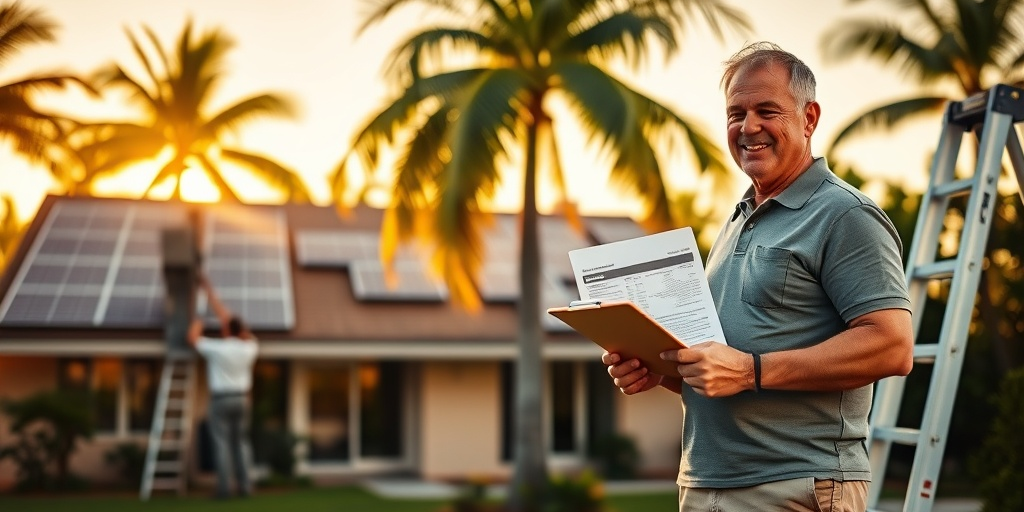
Imagine reducing your energy bill by thousands of dollars, becoming less reliant on the grid, and contributing positively to the environment all at once. In sunny Florida, these benefits are not just pipe dreams; they are attainable realities thanks to the increasing viability of solar energy. With recent studies indicating that homeowners can save over $20,000 in energy costs over 20 years by switching to solar panels (SEIA.org), it’s clear that harnessing the sun’s energy is a decision not to be ignored. But while the benefits of solar are evident, many prospective buyers struggle with the financial aspects of going solar. That’s where our **Beginner’s Guide to Understanding Solar Panel Financing Options** comes into play. This guide will help you navigate your finances with ease as you consider your options for smart solar panel installation choices.
As we move into 2025, the urgency surrounding solar energy adoption intensifies. The average cost of electricity in Florida has climbed significantly, with the U.S. Energy Information Administration projecting an even steeper rise in rates (EIA.gov). Moreover, the expiration of certain solar incentives and potential changes in federal policies could limit your options in the near future. With this in mind, it is essential to understand how financing works in the solar energy sector and what options are available for homeowners and commercial property owners alike.
This article lays out everything you need to know about financing your solar journey:
- Section 1: A Deep Dive into Solar Financing
- Section 2: Essential Factors to Consider
- Section 3: Best Practices for Financing Your Solar Panel Installation
- Section 4: Real-Life Solar Success Stories
- Section 5: Your Action Plan for Going Solar in Florida
Let’s explore how you can make an informed decision and transform your energy consumption through the power of solar.
Understanding Solar Financing: A Deep Dive
When considering a solar panel installation, it’s essential to understand the various financing options available. Many Florida homeowners find themselves overwhelmed by terms like “solar loans,” “power purchase agreements (PPAs),” and “incentives.” Let’s simplify these concepts by examining a hypothetical case study, followed by a checklist of actionable steps, a myth-buster segment, a local focus relevant for Florida residents, and a technical deep-dive into the mechanics of solar panel systems.
Case Study: The Martinez Family
Meet the Martinez family, residents of Orlando, Florida. In 2022, they faced rising energy costs and insatiable grid demands with the hot Florida sun beating down on their roof. After extensive research, they decided to explore solar panel financing options. They learned that by taking out a solar loan at a fixed low-interest rate, they could save substantially on their monthly energy bills. With the help of a local solar provider, they secured a loan that allowed them to install a system that would pay itself off within seven years, thanks to state and federal rebates that covered a significant portion of the initial costs.
The Martinez family not only decreased their utility expenses but also increased their property’s value, as homes equipped with solar systems often sell for a premium in Florida (SolarReviews.com). Their financial foresight and adoption of solar energy embodied the sustainable lifestyle that so many Florida homeowners are striving for.
Checklist: Steps to Financing Your Solar Panels
- Understand Your Energy Needs: Review your previous electric bills to understand your energy consumption patterns.
- Assess Your Roof’s Suitability: Ensure that your roof receives adequate sunlight and is structurally sound for solar panel installation.
- Research Financing Options: Explore various options like loans, leases, and PPAs to find what fits best with your financial situation.
- Check for Incentives: Investigate both federal and state solar incentives available in Florida, as they make a significant difference in overall costs.
- Consult with Professionals: Speak to local solar companies, like Florida Electric & Solar, to help guide you through the financial process and installation.
Myth-Buster: Common Beliefs About Solar Financing
Unfortunately, several myths surrounding solar financing deter even the most interested homeowners. Let’s bust some of them:
- Myth #1: Solar panels are too expensive for average families. *Reality:* Solar financing allows homeowners to install systems with little to no upfront cost.
- Myth #2: You can only buy solar systems outright. *Reality:* Financing options such as leases and loans mean you can pay over time and still enjoy savings immediately.
- Myth #3: Home value does not increase with solar. *Reality:* Studies show homes with solar installations can sell for 4.1% more than similar homes without solar (SolarReviews.com).
Local Focus: Florida Solar Incentives
Florida has made significant strides in promoting solar energy. Florida’s Solar Energy Incentive Program provides rebates that can cover up to 50% of the installation costs for eligible solar projects. Moreover, home solar installations are exempt from property taxes under Florida Statute 196.175, meaning you can enjoy all the benefits without increasing your tax burden.
Technical Deep-Dive: How Solar Systems Work
Understanding the technology behind solar systems is equally important. Solar panels convert sunlight into electricity using photovoltaic (PV) cells. This electricity can either be utilized immediately or stored in batteries for later use. Inverters convert the direct current (DC) electricity generated by the panels to alternating current (AC), which is what most households use. The combination of high efficiency panels and quality inverters ensures that homeowners maximize their savings while minimizing energy loss.
As we delve into financing options, it becomes clear that understanding your needs, available incentives, and maintenance plays a pivotal role in making a wise investment. Learning from others, like the Martinez family, makes this seemingly daunting process approachable.
Essential Factors to Consider When Financing Solar
When exploring solar financing, homeowners should weigh several critical factors before proceeding. The influence of local policies, financing options, and personal financial situations all weigh heavily on the decision-making process. In this section, we’ll outline essential components that will help you ensure a seamless solar transition.
1. Local Policies and Incentives:
Government policies may vary significantly across Florida’s counties. Potential solar adopters must familiarize themselves with the incentives offered in their specific regions. For instance, some counties may provide additional rebates for solar installations, while others would allow homeowners access to permits faster than others. Understanding these policies helps optimize your potential savings.
2. Financing Options:
- Solar Loans: These work like traditional loans and often provide low-interest rates. Many financial institutions offer specific solar loans designed for clean energy projects.
- Leases: In a solar lease, you pay a fixed monthly fee to use the solar system without needing to own it. This option may appeal to those who prefer low upfront costs.
- Power Purchase Agreements (PPAs): With PPAs, you essentially pay for the energy produced rather than the system itself. It’s linked to the savings on your energy bills.
3. Financial Situation:
Evaluating your current financial standing is crucial when determining the best approach to finance solar panels. Factors such as credit score, disposable income, and existing debts can dictate what financing option suits you best. Many solar providers offer free consultations to assess your situation and recommend appropriate options.
Best Practices for Financing Your Solar Panel Installation
Successfully financing your solar panels requires strategic planning. Here are five expert tips that can help you maximize returns on your solar investment while minimizing costs.
1. Don’t Skimp on Research:
Before deciding on a financing option, research various lenders and compare rates. Look for lenders that specialize in solar loans or have favorable terms for solar installations; this will ensure you get the best deal.
2. Explore Multiple Quotes:
Obtain multiple quotes from solar companies. This approach not only helps you find the best price but also allows you to gain insights into different financing arrangements they offer.
3. Take Advantage of Incentives:
Don’t overlook state and federal incentives when calculating potential savings. These incentives can significantly reduce initial costs, making solar energy more affordable and attractive.
4. Monitor Your Financing Terms:
Read the fine print when signing a financing agreement. Ensure you understand the interest rates, payment schedules, and any penalties for early repayment to avoid hidden surprises.
5. Plan for Future Maintenance:
When financing your solar installation, consider future maintenance costs. Solar systems require occasional upkeep, and setting aside funds for these expenses from the offset can ensure continued efficiency and savings.
Real-Life Solar Success Stories
To inspire hope and motivate action, let’s explore stories of actual Floridians who successfully financed their solar installations and the lessons they learned along the way.
The Johnsons of Jacksonville
The Johnson family decided to switch to solar energy in 2023 after becoming increasingly frustrated with rising electricity prices. By taking advantage of a solar loan program that had a 0% interest rate for the first year, they maximized their immediate savings. Coupled with information about local incentives from the local solar provider, they saved an additional 30% off their installation costs from the get-go.
Financially Savvy with Solar: The Lee Family
The Lees of Tampa took a different approach by choosing a solar lease. They were concerned about ownership and wanted to limit their upfront financial commitment. With a fixed monthly payment plan, they were able to enjoy savings from day one, along with warranties and maintenance coverage provided by the leasing company. After three years, they became more informed and chose to purchase their system, making it a win-win situation for them.
Community and Collaboration
The success stories don’t end with individual families. Across Florida, community solar programs are emerging that allow residents to band together to fund solar installations at a lower cost. This collaborative approach minimizes up-front expenses and maximizes community engagement, further increasing the feasibility of solar energy solutions in more regions.
Your Action Plan for Going Solar in Florida
Congratulations! You now have a solid understanding of solar financing options available to you as a Florida homeowner. However, the journey doesn’t end here; taking the next steps is crucial in bringing your solar dreams to life.
- Step 1: Audit Your Electric Bill: Analyze your energy consumption and identify where savings can be made.
- Step 2: Research Financing Options: Evaluate loans, leases, or PPAs based on your research. Also, take note of the current incentives available in Florida.
- Step 3: Consult with Experts: Get in touch with local solar companies, such as Florida Electric & Solar. An expert consultation can help you understand your options better.
- Step 4: Get Quotes and Compare: Request several quotes from different installation companies to understand pricing and financing variations.
- Step 5: Make Your Decision: Once you are comfortable with your financing option and provider, proceed with signing the contract and schedule your installation.
Embracing solar energy is a significant step towards not just personal savings but also a sustainable future for Florida. With the right financing options and resources, you can step confidently into the realm of solar energy.
Your journey toward embracing solar power lays in your hands. As we have explored in this guide, understanding your financing options is critical in making informed decisions now and in the upcoming years. The urgency to act is real, with rising energy costs and changing policies looming on the horizon.
Remember that each step you take gets you closer to owning your energy, reducing utility bills, and positively impacting the environment for future generations. Are you ready to start your solar journey in 2025? Connect with a certified expert at floridaelectricandsolar.com today.
Related Articles
More insights about Solar Panel

Florida Homeowners: Why Solar Panel Maintenance Is Essential

7 Essential Steps for Solar Panel Installation Success

Expert Insights: Key Factors Influencing Solar Panel Lifespan
Ready to Go Solar?
Have questions about solar energy? Our experts are here to help you make the switch to clean, renewable energy.