
Beginner’s Guide to Understanding Solar Panel Lifespan in Florida
Share:
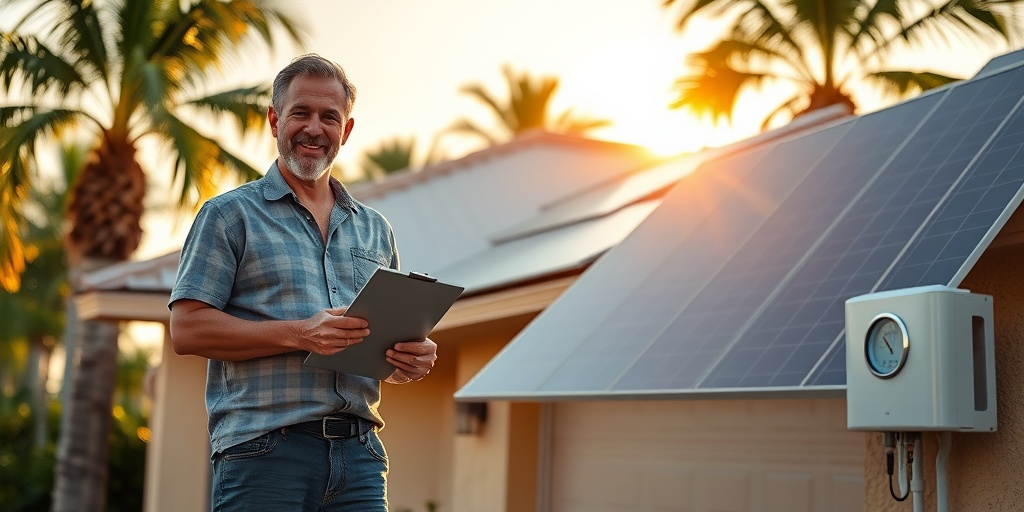
Did you know that the average lifespan of solar panels can range from 25 to 30 years? That’s a significant duration during which you can reap the benefits of solar energy, especially in sunny states like Florida. As homeowners and commercial property owners navigate the evolving landscape of renewable energy, understanding the nuances of solar panel lifespan becomes critical. In this Beginner’s Guide to Understanding Solar Panel Lifespan in Florida, we will delve into the essential elements that influence the durability and longevity of solar systems. Notably, studies show that solar panel efficiency typically degrades by about 0.5% annually, meaning your investment can provide reliable energy for decades with proper maintenance (Energy.gov). With energy costs expected to continue rising in 2025, investing in solar power offers an opportunity to combat these challenges head-on. Moreover, with the introduction of new state incentives and incentives from the Inflation Reduction Act, the urgency to shift to solar is more significant than ever.
This comprehensive guide aims to answer vital questions such as: What factors affect the lifespan of solar panels? How can you maximize your investment? What are the misconceptions surrounding solar energy? As we embark on this journey, we will explore five key sections: an angled deep dive into the different aspects of solar panel longevity, a checklist for solar buyers, myth-busting common misconceptions, a focus on Florida-specific facts, and finally, a technical breakdown of solar technology. These sections will empower you to make informed decisions and ultimately unlock energy savings for years to come.
Understanding Solar Panel Lifespan: What Every Florida Homeowner Needs to Know
When Florida homeowners consider investing in solar energy, one of the first questions asked is: “How long will my solar panels last?” It’s not only a matter of curiosity but one that directly impacts financial planning and energy independence. Take for instance the story of Lisa, a homeowner in Orlando who made the leap towards solar in 2022. Initially skeptical about the longevity of solar technology, Lisa was concerned about potential maintenance costs and energy efficiency degradation over time. However, after researching, she learned that most modern solar panels are equipped with robust materials and innovative technology designed to withstand harsh Florida weather—ranging from hurricane-force winds to blistering sun. This knowledge shifted her perspective and fortified her decision to go solar, allowing her to save on her electric bills while minimizing her carbon footprint.
In Florida, solar panels usually come with a warranty of 25 years, underscoring their expected durability and efficiency over a significant portion of their lifespan (SEIA.org). Moreover, advancements in technology and manufacturing have led to increased reliability, meaning that many panels can produce electricity long past their stated lifespan. According to a recent study, over 90% of installed panels in the U.S. still produce energy effectively after 25 years, providing a solid return on investment (SolarReviews.com). As Florida homeowners like Lisa dive deeper into the solar journey, it’s essential to understand the factors influencing solar panel longevity to make well-informed decisions.
Here are five primary factors to consider when assessing solar panel longevity:
- Quality of Materials: High-quality panels tend to have longer lifespans and can withstand harsh weather conditions.
- Installation Quality: Proper installation is crucial; poor execution can shorten the lifespan of the solar system.
- Maintenance: Regular maintenance can help maximize efficiency and catch potential issues early.
- Weather Conditions: Florida’s unique climate poses challenges but also opportunities for solar viability.
- Technological Advancements: Innovations in solar technology continually improve efficiency and longevity.
With these elements in mind, let’s delve deeper into these topics and empower Florida homeowners with the knowledge they need to make informed solar investments.
5 Steps to Ensuring Your Solar Investment Lasts
In navigating the solar landscape, a systematic approach will help ensure that your investment yields optimal returns. Below are key steps you can take to maximize the lifespan of your solar panels.
- Step 1: Research and Choose Quality Panels
When shopping for solar panels, focus on brands known for reliability and durability. Look for panels with warranties exceeding 25 years and performance guarantees that promise minimal degradation over time.
- Step 2: Opt for Professional Installation
Hiring certified professionals ensures the system is installed correctly. Incorrect mounting or poor electrical connections can lead to system failures or inefficiencies down the line.
- Step 3: Schedule Regular Maintenance
Just like a car, solar panels benefit from routine check-ups. Hiring a professional to clean panels and inspect connections once or twice a year can prevent costly repairs later.
- Step 4: Monitor Performance Regularly
Keep track of your energy output versus expected output. If you notice a significant decline, it may indicate a malfunction that needs addressing.
- Step 5: Stay Informed on Technological Advancements
The solar industry continually evolves, introducing new technologies and improved panels. Keep abreast of new developments as they might present opportunities for upgrades or enhancements in the future.
Incorporating these steps into your solar journey will significantly enhance the longevity of your investment and ensure that you maximize your savings. As you consider the broader implications of solar energy, let’s tackle some common myths surrounding solar panel lifespan and technology.
Myth-Busting: Debunking Solar Panel Lifespan Misconceptions
“Solar panels will stop working after 25 years”—this is just one of many misconceptions that can deter potential buyers from making the switch to solar energy. Below, we’ll address five prevalent myths and clarify the realities of solar system longevity.
- Myth #1: Solar Panels are Expensive and Unaffordable
While the upfront costs can be high, incentives are readily available. In 2025, federal tax credits still cover a significant portion of installation costs, further reducing the financial burden (NREL.gov).
- Myth #2: Solar Panels Only Work in Sunny Weather
Although Florida is known for its abundant sunlight, solar panels also produce energy on cloudy days. They are designed to capture diffuse sunlight effectively.
- Myth #3: All Solar Panels are the Same
Quality varies significantly between manufacturers. Investing in reputable brands will ensure long-term efficiency and durability.
- Myth #4: Maintenance is a Major Hassle
Maintaining solar panels is straightforward. Regular inspections and cleaning can often be completed in a few hours once or twice a year.
- Myth #5: The Degradation Rate is Too High
Most solar panels degrade at a rate of 0.5% per year, meaning after 25 years, they will still produce approximately 80% of their original capacity, which is quite efficient (SEIA.org).
Understanding the truths behind these common myths is essential for Florida homeowners who wish to invest in solar technology. Next, we’ll explore the unique characteristics of solar energy specific to our state, highlighting why Florida is an ideal environment for solar investment.
Florida-Specific Insights: Why the Sunshine State is Perfect for Solar
Floridians are blessed with one of the highest amounts of solar energy potential in the country, thanks to our sunny climate and supportive policies. With an average of 237 sunny days a year, harnessing solar energy is not just an option—it’s an opportunity. Here are some compelling Florida-specific reasons to consider solar energy:
- Solar Incentives: Financial Impacts
Florida homeowners can benefit from state rebates and federal tax incentives that significantly reduce the overall cost of solar installations. As of 2025, these incentives are projected to help homeowners achieve substantial savings.
- Net Metering Framework
The state’s net metering laws allow homeowners to receive credits for the surplus energy generated by their solar systems, potentially offsetting future electricity bills (DSIREUSA.org).
- Insurance Incentives
Some insurance policies offer reduced rates or benefits for those who install solar systems, recognizing the lower risk associated with energy independence and sustainability.
- Environmental Impact Awareness
Floridians are increasingly recognizing the importance of sustainability. By going solar, homeowners contribute to a significant reduction in carbon emissions, ultimately helping to combat climate change.
- Long-Term Energy Savings
With escalating energy costs, having a solar power system offers a hedge against unpredictable prices. Over time, this can result in thousands of dollars in savings on electric bills.
These Florida-specific insights underscore the unique advantages of pursuing solar energy in the Sunshine State. By understanding the inherent benefits and available resources, Florida homeowners can confidently step forward into the solar market. In the next section, we will delve into real-world journeys of homeowners, highlighting their experiences and lessons learned.
A Day in the Life of a Florida Solar Homeowner: A Journey of Transformation
Let’s explore a fictional yet realistic journey of Roger, a Florida homeowner who decided to transition to solar energy. Initially, Roger’s motivation stemmed from a concern for rising energy costs and environmental impact. In 2023, he received his first outrageous electric bill; it was almost double the amount from the previous year. This shocking realization prompted him to explore solar options. After meticulous research, Roger decided to install a solar system on his home.
Here’s a breakdown of Roger’s solar journey:
- Research and Education: Roger attended a local solar workshop where he learned about the benefits of solar energy and the technicalities of how it works. He was pleased to find out that high-quality solar panels could last beyond 25 years when maintained properly.
- Installation Process: Roger selected a reputable local provider who ensured the installation was smooth and efficient. He noted how professional contractors installed solar panels with consideration for optimal sunlight exposure.
- Adjustment Period: The first few months after installation were a learning curve. Roger monitored his energy use vigilantly, amazed at the drop in his electric bills, which nearly halved!
- Engagement with Community: After enjoying the benefits of solar energy firsthand, Roger became an ambassador for the cause. He joined a local solar advocacy group, encouraging his friends and neighbors to explore solar options and share the benefits widely.
From his experience, Roger learned several vital lessons:
- Informed Decision-Making: Research is key—knowledge about equipment quality and installation processes paved the way for success.
- Community Matters: Engaging with others in the solar landscape provided additional support and encouragement.
- Long-Term Perspective: Understanding the lifespan of solar panels made him feel confident in the long-term savings and environmental benefits.
Roger’s journey encapsulates the essence of the solar experience for many Florida homeowners. It sheds light on the transformative power of investing in renewables—both economically and personally. Finally, let’s create an actionable plan for individuals considering solar energy as a viable option.
Next Steps for Florida Solar Buyers in 2025
Looking ahead, the transition to solar energy is a promising route for Florida homeowners in 2025. To ensure a successful investment, follow this actionable checklist:
- Step 1: Audit Your Electric Bill
Understanding your energy consumption patterns is crucial. This will help you determine how much energy you need to generate and gauge potential savings.
- Step 2: Research Local Solar Providers
Comparing quotes from different solar companies allows you to find reasonable prices and reputable service. Check reviews and testimonials to ensure quality and reliability.
- Step 3: Understand Financing Options
Explore various financing plans including leases, loans, and power purchase agreements (PPAs). Knowing your budget can direct your decision.
- Step 4: Schedule Installation
Set a date for installation once you choose the right provider. Make sure to be present during the installation for a better understanding of the process.
- Step 5: Monitor and Maintain
After installation, schedule regular maintenance checks to ensure optimal performance and longevity of your solar panel system.
Being proactive and informed during each step of the solar transition will ease the process and empower Florida homeowners to embrace renewable energy successfully. In conclusion, let’s summarize key takeaways from our journey into solar panel lifespan.
Conclusion: Embracing Your Solar Future
Throughout this Beginner’s Guide to Understanding Solar Panel Lifespan in Florida, we have explored essential insights into the longevity of solar systems, actionable strategies to maximize savings, and common misconceptions that may deter potential buyers. As 2025 approaches, the urgency of transitioning to solar energy becomes increasingly apparent, allowing homeowners to combat rising costs and foster a sustainable future.
Understanding the nuances of solar technology equips you with the confidence to take informed steps toward energy independence. Whether you’re a homeowner like Lisa or Roger, 2025 is set to be an exciting year for solar energy in Florida—a time ripe for making long-term investments that add value to your home and make a positive environmental impact.
Ready to start your solar journey in 2025? Connect with a certified expert at floridaelectricandsolar.com today.
Related Articles
More insights about Solar Panel

Florida Homeowners: Why Solar Panel Maintenance Is Essential

7 Essential Steps for Solar Panel Installation Success

Expert Insights: Key Factors Influencing Solar Panel Lifespan
Ready to Go Solar?
Have questions about solar energy? Our experts are here to help you make the switch to clean, renewable energy.